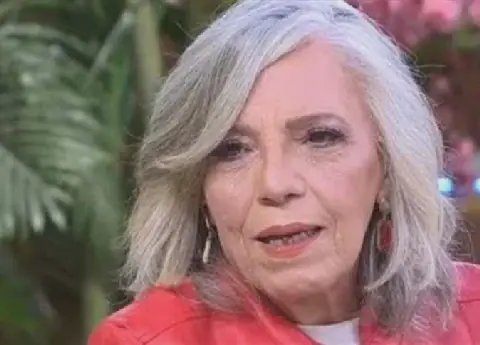
Ghana's Foreign Minister, Samuel Okudzeto Ablakwa, announced plans to formally apply for BRICS membership, citing the potential to diversify the country's trade options and strengthen partnerships within the Global South framework. According to Ablakwa, membership would complement Ghana's existing relationships with traditional partners like the International Monetary Fund and the World Bank. This move is expected to widen Ghana's economic options and provide new opportunities for cooperation.
BRICS, established in 2009 by Brazil, Russia, India, and China, was founded on the premise that international institutions were overly dominated by Western powers and had ceased to serve developing countries. The bloc has since expanded to include six new members: Ethiopia, Egypt, Indonesia, Iran, Saudi Arabia, and the United Arab Emirates. South Africa joined in 2010 by invitation of China. Ghana hopes to join this growing group of emerging powers.
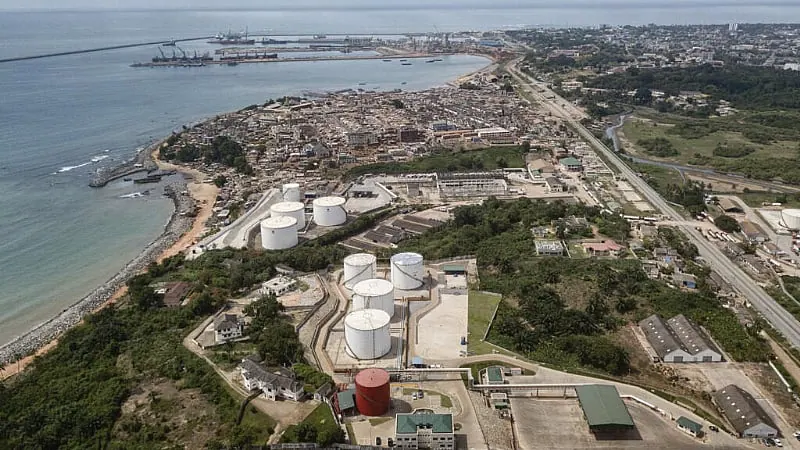
Aerial views of Ghana's western coast in Takoradi show fuel depots, highlighting the country's strategic location for trade. For Caleb Ziblim, a research analyst at JoyNews TV station in Ghana, it makes sense that Ghana would want to "sit at the same table" as its main trading partners. Over 70 percent of Ghana's exports go to BRICS countries, including South Africa, China, and India. The country imports almost everything from China, making BRICS membership an attractive option.
President John Dramani Mahama reported that Ghana's exports to India have risen from about $3 billion to $7 billion. According to a UNCTAD report, trade between BRICS members has grown rapidly over the past two decades, driven by strong complementarities in natural resources, manufacturing, and technology. However, trade between members accounts for only about 20 percent of South-South trade, leaving room for growth and development.
Since 2012, BRICS has included its own financial arm, the New Development Bank, which finances infrastructure and development projects. Membership of the BRICS bank is open to any United Nations member state, regardless of whether they belong to the bloc itself. Bright Simons, an analyst at the Imani Centre for Policy and Education, notes that Ghana's application does not automatically mean it will be granted full membership, as acceptance is based on the full consensus of the 11 leaders.
The timeline for a decision on Ghana's application is unclear, but Simons points out that several countries have applied and been rejected or offered partner status instead. Algeria applied in 2023 but was turned down, while Turkey requested full membership in 2024 and was offered partner status, which it did not accept. Ghana will need to make a strong case for its membership, particularly given Nigeria's existing partner status.
Ghana took the opportunity of an official visit by Indian Foreign Minister Subrahmanyam Jaishankar to seek India's support for its application. To succeed, Ghana must demonstrate its value as a partner for BRICS nations, potentially highlighting its democratic track record and cultural influence. The country's application will be considered by the BRICS chair, currently held by India, and a decision will be made based on the bloc's criteria for membership.
Key points
- Ghana applies for BRICS membership to diversify trade options and strengthen Global South partnerships.
- BRICS membership would complement Ghana's existing relationships with traditional partners.
- Ghana faces competition from Nigeria, a West African partner country with significant economic influence.