Ghana is grappling with a growing youth unemployment challenge, with labour statistics indicating that young people continue to experience disproportionately high levels of unemployment. The Ghana Statistical Service reported an average national unemployment rate of 12.8% in 2025, but this rate was considerably higher among young people, reaching 21.9% for those aged 15 to 35. Nearly two million people aged 15 to 35, representing approximately 19.5% of that population group, were not in employment, education, or training by the third quarter of 2025.
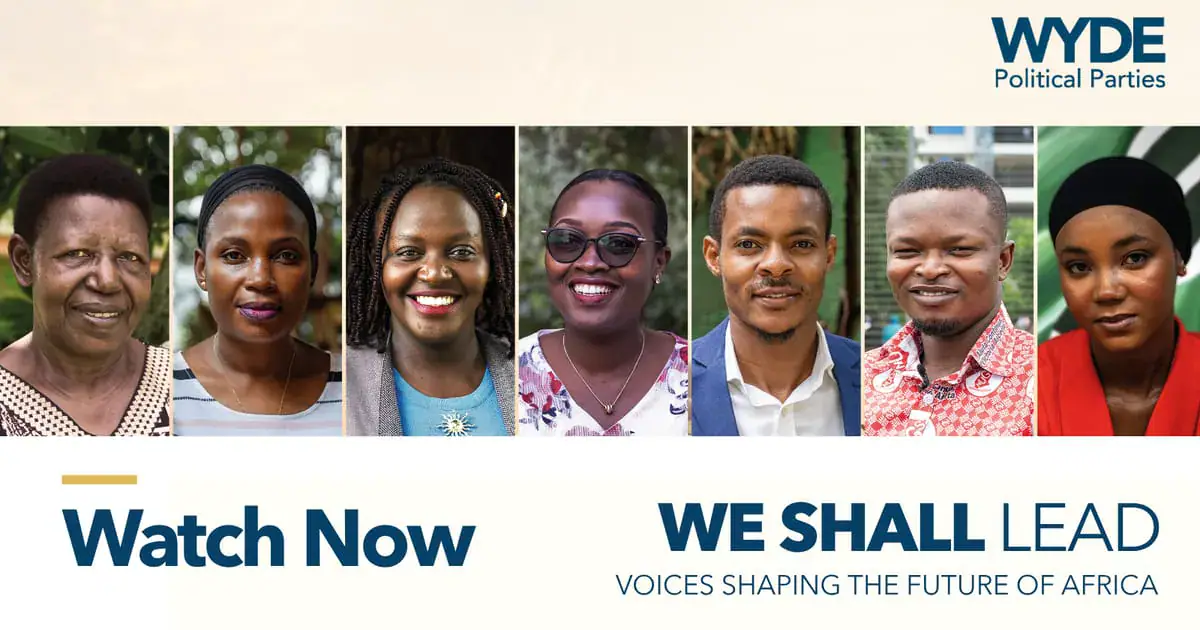
The concerns of young people are highlighted in the documentary "We Shall Lead: Voices Shaping the Future of Africa", which explores the experiences of women and young people seeking greater participation in politics and public life. Three Ghanaian youth leaders featured in the production - Hariratah Ibrahim Doudu, Rashid Ibrahim, and Sherif Ghali - share their perspectives on the challenges confronting young leaders and the need to make governance more inclusive. Their accounts point to a disconnect between the expectations placed on young people to drive national development and the limited opportunities available to them to influence the decisions that affect their future.
The demand for greater youth participation comes as young people face significant challenges in transitioning from education into productive employment. A 2025 Afrobarometer study on Ghanaian youth found that about 34% of respondents aged 18 to 35 were searching for jobs, although three-quarters had attained secondary or post-secondary education. The study also revealed that 72% of young Ghanaians had considered leaving the country, with the pursuit of employment and better economic prospects among the reasons.
For Rashid Ibrahim, involvement in student leadership was driven by the desire to create an avenue through which young people could communicate their concerns and engage decision-makers. He believes the younger generation have the capacity, knowledge, and energy to contribute to national development but are often constrained by the absence of platforms that allow them to translate those abilities into meaningful influence. He questioned why young people with the necessary leadership qualities were not given greater opportunities to serve and contribute to public life.
Sherif Ghali, however, believes the challenge is not simply about increasing the number of young people occupying leadership positions, but whether those positions come with the authority to influence decisions. He argued that young people would become more interested in democratic participation if political institutions demonstrated that their contributions could shape policies and national priorities. According to him, meaningful inclusion would also help strengthen confidence in democratic institutions, particularly among a generation increasingly concerned about its economic future.
The concerns raised in the documentary highlight the distinction between representation and influence, with young people often being invited into leadership structures but having little say in the decisions taken within those structures. Women face additional barriers to leadership, with Hariratah Ibrahim Doudu noting that existing political structures had historically made it difficult for women to participate fully. Efforts are increasingly being made to accommodate women, but more needs to be done to address these challenges.
The United Nations Development Programme cautioned in May 2026 that unemployment and growing disillusionment among young people could pose risks to Ghana's peace and security through social unrest, radicalisation, and conflict. The UNDP Resident Representative in Ghana, Mr Niloy Banerjee, emphasised the need to keep young people productively engaged to safeguard national stability. The youth leaders' calls for greater influence in national policy decisions are a timely reminder of the need for more inclusive governance.
Key points
- Youth unemployment in Ghana stands at 21.9% for those aged 15-35.
- Young people are demanding greater influence in national policy decisions to address unemployment and improve economic prospects.
- Women face additional barriers to leadership, with existing political structures having historically made it difficult for them to participate fully.