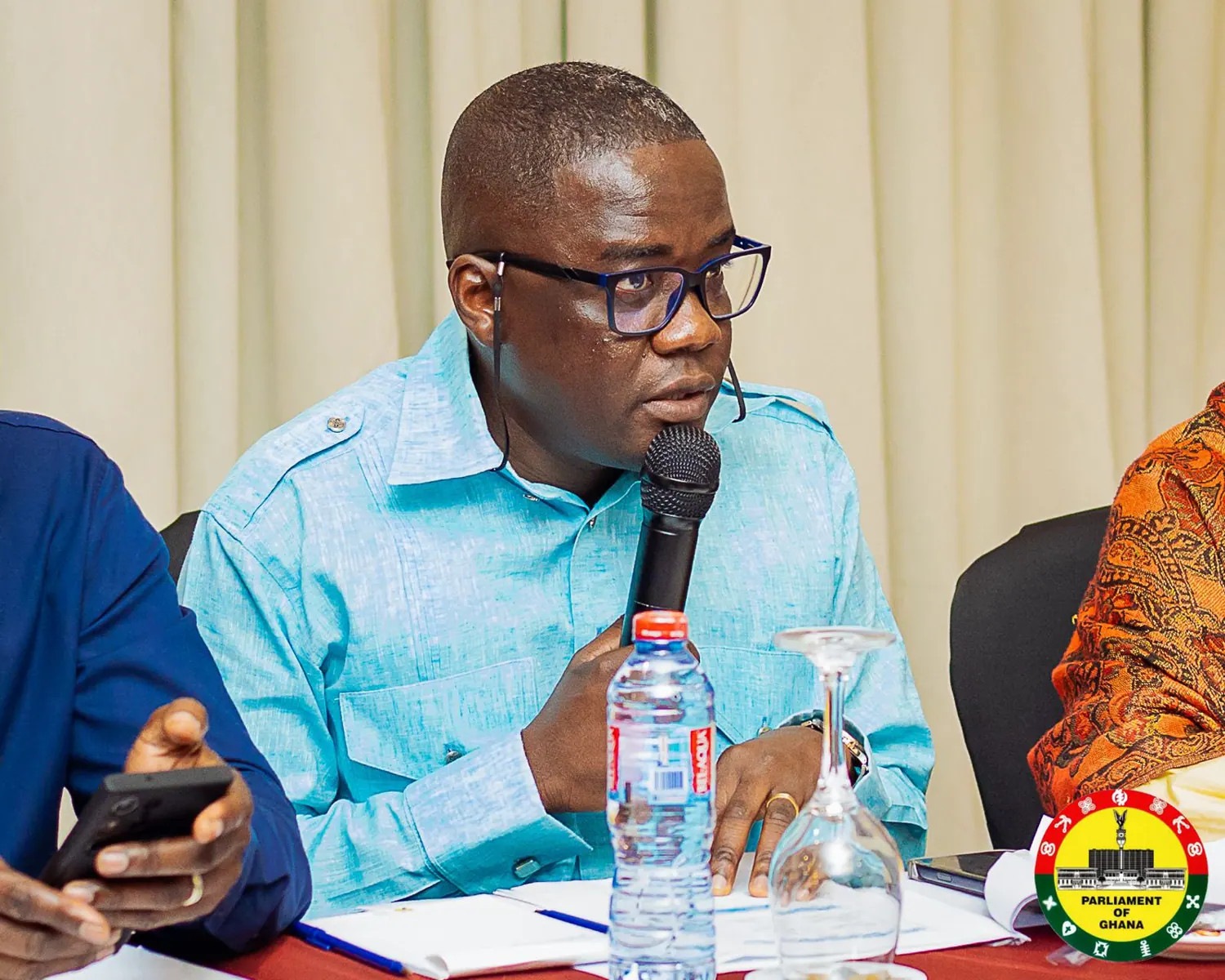
Member of Parliament for Bekwai, Ralph Poku-Adusei, has called for the establishment of a dedicated sanitation fund to address Ghana's persistent waste management challenges. He made this appeal during a monitoring tour of the Volta and Oti regions by the Parliament's Select Committee on Sanitation and Water Resources. The committee assessed waste collection, processing, and recycling operations at the Ho Integrated Recycling and Compost Plant (IRECOP) at Akrofu-Agorve.
The committee's chairman, John Oti Bless, described the Volta Region as the cleanest of the regions visited so far during the nationwide monitoring exercise. However, Poku-Adusei noted that funding constraints remained a significant challenge for Metropolitan, Municipal, and District Assemblies (MMDAs). He cited the inadequate number of sweepers in some municipalities, questioning their ability to effectively cover their areas.
Poku-Adusei also raised concerns about the absence of permanent contracts with waste management companies in some districts and municipalities, which he said hindered sustained waste collection. He mentioned that the 10 percent allocation from the District Assemblies Common Fund (DACF) towards sanitation was a step in the right direction but insufficient to address the underlying problems.
The Minority in Parliament is advocating for a dedicated sanitation fund to provide sustainable financing for waste collection, processing, and other sanitation services across the country. Poku-Adusei emphasized the need for longer-term financing mechanisms to complement the current allocation. He suggested that Ghana should move beyond a system focused mainly on collecting and disposing of waste towards processing it into useful products and energy.
Poku-Adusei cited waste-to-energy technologies, including biogas, as examples of approaches that could help Ghana derive economic value from waste while addressing environmental challenges. According to information presented during the committee's visit, the Volta Region generates an estimated 268,000 tonnes of solid waste annually, but only about 60 percent is collected and around two percent recycled.
The Ho IRECOP, which has a processing capacity of 600 tonnes per day, has faced challenges including poor access roads and the absence of transfer stations. The committee said such issues would be captured in its report to Parliament. The committee has also expressed support for a proposed National Sanitation Authority Bill, intended to strengthen coordination and management of sanitation services in Ghana.
Poku-Adusei has previously questioned the sustainability of national clean-up exercises without adequate plans for the disposal and processing of the collected waste. The two-day monitoring exercise forms part of Parliament's nationwide assessment of sanitation and waste management facilities. The committee's report is expected to inform future policy decisions on sanitation and waste management in Ghana.
Key points
- Bekwai MP Ralph Poku-Adusei calls for a dedicated sanitation fund to address Ghana's waste crisis
- The Volta Region generates an estimated 268,000 tonnes of solid waste annually, with only 60 percent collected and 2 percent recycled
- The proposed National Sanitation Authority Bill aims to strengthen coordination and management of sanitation services in Ghana