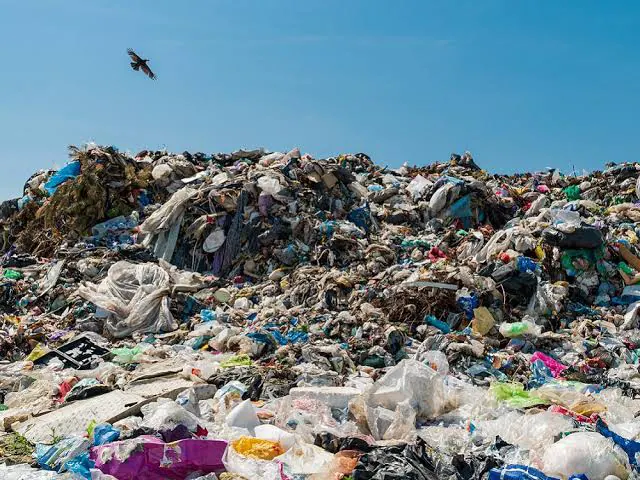
The Ghanaian government has begun clearing waste from Agbogbloshie in Accra, a move that has sparked both relief and concern among residents and officials. The Minority Chief Whip and Member of Parliament for Nsawam-Adoagyiri, Frank Annoh-Dompreh, has demanded answers from the government over the transportation of waste from Agbogbloshie to the Adipa area of the municipality. This decision follows concerns from residents of the Yaw-Adipa/Asiyaw Electoral Area over the increasing volume of waste being brought into their community.
Residents of the affected community are complaining of foul odours, house flies, rodents, and other environmental concerns, while also raising fears about possible pollution of drainage systems and groundwater. The Assembly Member for the area, Emmanuel Asamoah, had earlier told the media that the community previously received waste, but was now under additional pressure because of the large quantities being transported from Accra. The community is demanding a suspension of the dumping, an independent environmental and health impact assessment conducted, provision of permanent security barriers and surveillance, as well as a public forum on long-term waste-management plan.
The Ghanaian Chronicle has commended the government for taking steps to address the persistent waste problem in parts of Accra, particularly the accumulation of refuse in areas such as Agbogbloshie. Despite the concerns and protests from communities receiving the waste, the initiative to evacuate the rubbish is necessary and should be supported. However, the Chronicle also notes that the evacuation must be conducted in a manner that does not simply transfer Accra's waste problem to another community.
The timing of the exercise has also raised concerns, with the Chronicle witnessing the evacuation of rubbish at about 7:00 p.m. on Monday, a period when many people are still returning from work and traffic is heavy. Moving large quantities of waste at such a time can contribute to congestion, disrupt residents and commuters, and expose people to the unpleasant and pungent smell of the refuse. The authorities have been urged to reconsider the timing of the exercise and conduct it after 10:00 p.m., when traffic and human activity have significantly reduced.
The disposal site must be properly equipped to receive the volume of waste being transported there, with concerns raised by residents about foul odours, house flies, rodents, and possible runoff into drainage systems. Appropriate measures must be put in place to contain the waste, control odours and pests, manage wastewater, and prevent possible contamination of surrounding areas. The government and relevant municipal authorities must ensure that the site does not become another uncontrolled dumping ground.
To prevent individuals and businesses from continuing to dump refuse indiscriminately at the location, measures such as permanent barriers, controlled access, security personnel, surveillance, and enforcement should be introduced. Community engagement is also crucial, with chiefs, residents, assembly members, the municipal assembly, and other relevant stakeholders consulted on the management of the site and the long-term arrangements for waste disposal.
The government's decision to tackle the accumulated waste is a step in the right direction, but for the exercise to achieve its intended purpose, waste must not merely be moved from one location to another. The receiving facilities must be properly managed, communities protected, and illegal dumping prevented. With proper planning, timing, equipment, enforcement, and community engagement, the government can pursue the clean-up exercise while protecting the people and environment of communities receiving the waste.
Key points
- The Ghanaian government has begun clearing waste from Agbogbloshie in Accra, but residents and officials have raised concerns over environmental and health impacts.
- The community is demanding a suspension of the dumping, an independent environmental and health impact assessment conducted, and provision of permanent security barriers and surveillance.
- The government has been urged to ensure that the disposal site is properly equipped to receive the volume of waste being transported there and to prevent individuals and businesses from continuing to dump refuse indiscriminately at the location.