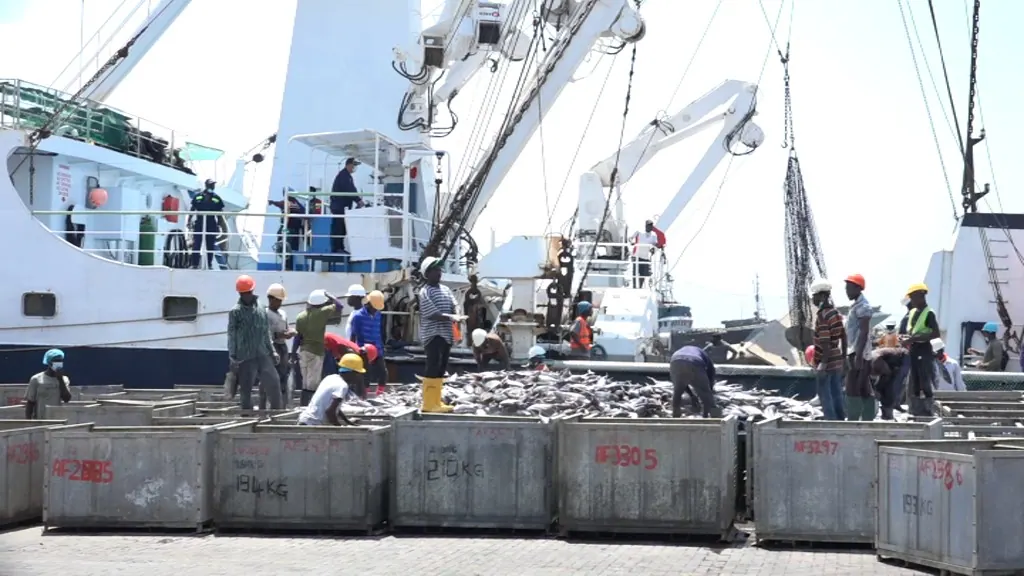
Ghana's tuna industry is facing significant operational pressures, resulting in the collapse of its entire hook-and-line fleet. According to Richster Amarh Amarfio, Vice President of the National Fisheries Association of Ghana (NAFAG), the industry has been severely impacted by escalating costs and gaps in local expertise. Ghana is allocated 37 tuna vessels under the International Commission for the Conservation of Atlantic Tunas (ICCAT), with 17 using purse seine nets and 20 operating with the hook-and-line method.
The collapse of the hook-and-line fleet has severe consequences for Ghana's tuna industry and local processors. The fleet supplied fish to local processors, including Pioneer Food Cannery and Cosmo Foods. With none of the 20 hook-and-line vessels currently operational, only the 17 purse seine vessels remain in active operation. This development has significant implications for the industry's future and the livelihoods of those employed.
One of the major pressures on the industry is the high cost of fuel. Tuna vessels do not enjoy fuel support available to other fishing operations and must purchase fuel at the full market cost. With fuel currently costing about GH¢18 per litre, a vessel can require up to 270,000 litres for a fishing trip, resulting in substantial fuel expenditure.
The industry also faces challenges due to a lack of specialised tuna-fishing personnel and facilities. Ghana relies heavily on foreign expertise, with all tuna vessel captains currently being Korean, and many ageing. This creates a growing need to develop a local pool of specialised crew. Additionally, licensing costs have surged, with vessel owners now paying US$135 per gross registered tonnage (GRT), up from US$35 per GRT.
Port charges, pegged to the US dollar, expose fishing businesses to additional pressure whenever the exchange rate shifts. Security has become another major expense, with vessels carrying armed naval personnel due to incidents involving armed attacks and hijacking threats at sea. The companies bear the cost of this security measure, further increasing operational expenses.
The collapse of the hook-and-line fleet is also linked to difficulties securing live anchovies, used as bait. Restrictions on using light as an aggregating device make it harder for hook-and-line vessels to secure live bait, forcing some operators to spend extended periods searching for bait and fishing, leaving little room to break even.
The pressure on the industry is further complicated by the lack of control over international tuna prices. Although tuna prices have risen significantly since 2016, the sharp increase in operating costs has continued to squeeze margins. The health of Ghana's fishing fleet is closely tied to the survival of the local processing industry, and the collapse of 20 hook-and-line vessels has brought this connection into sharp focus.
Key points
- The collapse of Ghana's hook-and-line tuna fleet is attributed to rising costs and lack of local expertise.
- The industry faces significant challenges, including high fuel costs, labour and maintenance costs, and licensing fees.
- The collapse of the hook-and-line fleet may impact local processors, including Pioneer Food Cannery and Cosmo Foods.