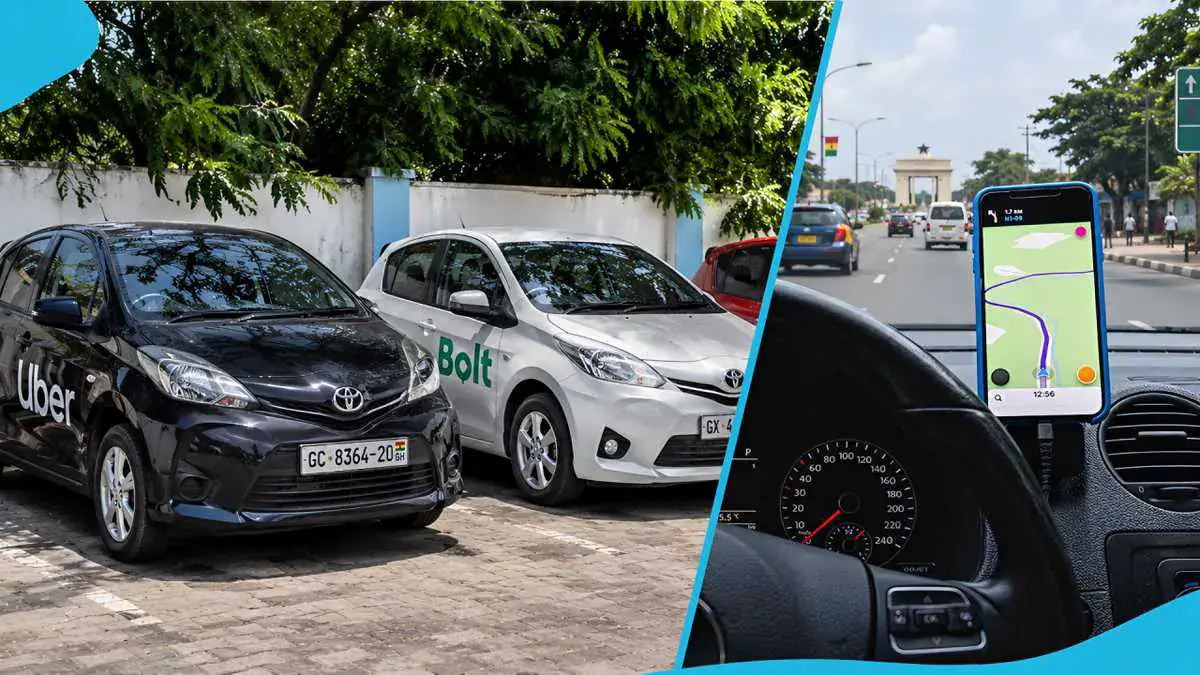
Ghana's newly introduced TraffiTech system, which became operational on November 1, 2026, is designed to detect speeding vehicles and issue electronic notices to offending motorists. The automated traffic enforcement system aims to improve road safety, but it may also have an unexpected financial benefit for ride-hailing drivers, particularly those operating on platforms such as Bolt, Uber, and Yango. By encouraging drivers to observe speed limits, the system could lead to longer journey times and potentially higher fares.
The TraffiTech system could influence how much ride-hailing drivers earn and how frequently Ghanaians use their services. With cameras monitoring speeding offences, ride-hailing drivers may become more cautious and strictly observe posted speed limits to avoid fines. This could affect earnings because fares can depend on the distance travelled and the duration of the journey. According to Bolt's Ghana driver terms, fares can depend on these factors, and Uber also acknowledges that unexpectedly longer trips can attract additional charges.
The impact of TraffiTech on driver earnings could be significant. A journey that previously took 20 minutes because a driver exceeded the speed limit could take 30 minutes when completed at the legally permitted speed. This could lead to higher earnings for drivers, but it's not a guarantee. Both Bolt and Uber offer upfront pricing, meaning spending additional minutes on the road does not automatically guarantee higher earnings. Significant unexpected delays are more likely to affect the final fare, while drivers completing fewer journeys each day could see their overall income affected.
Beyond journey duration, TraffiTech could potentially encourage more Ghanaians to use ride-hailing services. Some private car owners concerned about traffic fines may occasionally prefer booking a Bolt, Uber, or Yango instead of driving themselves. Changes in commuting habits could increase demand for ride-hailing services, especially in Accra and other busy urban areas. Higher passenger demand could offer drivers more opportunities to secure trips and potentially increase their daily earnings.
However, ride-hailing drivers would be required to comply with speed limits and could face penalties for violations. Although the potential financial benefits are worth examining, no established evidence suggests that TraffiTech has increased ride-hailing fares, passenger demand, or driver earnings. The long-term effect of TraffiTech on Ghana's ride-hailing industry will depend on changes in driving behaviour, passenger demand, and the pricing systems used by the platforms.
Drivers have already begun to map TraffiTech-GH speed camera locations across Accra and Kumasi using the Glydr app. More than 100 cameras have been mapped, but with many cameras mounted in police vehicles or set up on tripods, the crowd-sourced map is only a guide—and drivers could encounter a camera almost anywhere. This highlights the need for drivers to be vigilant and comply with speed limits to avoid fines.
Ultimately, the impact of TraffiTech on Ghana's ride-hailing industry remains to be seen. As the system continues to operate, it will be essential to monitor changes in driving behaviour, passenger demand, and driver earnings. The system's success in improving road safety is clear, but its effect on the ride-hailing industry will depend on various factors, including the pricing systems used by the platforms and the behaviour of drivers and passengers.
Key points
- The TraffiTech system may increase earnings for ride-hailing drivers by encouraging them to observe speed limits, potentially leading to longer journey times and higher fares.
- The system could also encourage more Ghanaians to use ride-hailing services, potentially increasing demand and offering drivers more opportunities to secure trips.
- However, ride-hailing drivers must comply with speed limits and could face penalties for violations, and the long-term effect of TraffiTech on Ghana's ride-hailing industry remains to be seen.