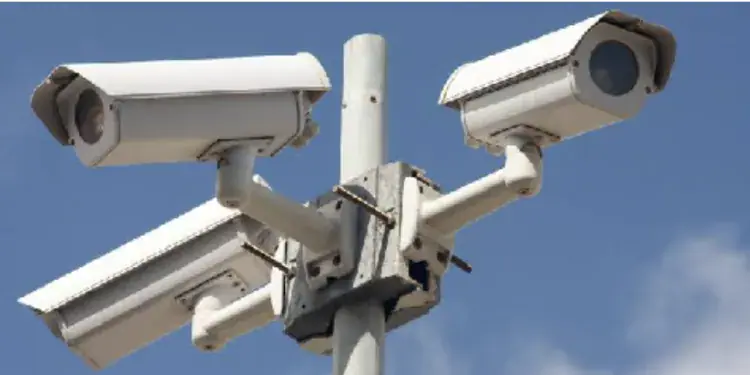
The Ghanaian government has introduced TRAFFITECH-GH, an automated enforcement system aimed at addressing the growing problem of indiscipline on the country's roads. The system uses radar technology, high-resolution cameras, sensors, and other digital enforcement tools to detect traffic violations, including speeding and running red lights. This development marks an important step in Ghana's efforts to enforce road traffic regulations. The system is designed to complement the work of the Motor Traffic and Transport Department of the Ghana Police Service.
TRAFFITECH-GH has an estimated investment cost of GH¢77.73 million over an 11-year contract period. The revenue-sharing arrangement provides for 60% of the revenue to go to the Government of Ghana and 40% to the private-sector partner. This arrangement raises important public policy questions about the allocation of the government's share. According to the Ministry of Finance's 2024 Annual Report on Public-Private Partnership Projects, the government's share could potentially be channelled into various national funds.
The introduction of TRAFFITECH-GH has sparked concerns about the allocation of revenue generated from traffic fines. The author of the article, J. B. Allotey, argues that catching speeding drivers and issuing fines cannot be the beginning and end of road safety ambitions. He suggests that the government's 60% share should be channelled directly into the Ghana Road Fund, which was established to provide financing for the maintenance, rehabilitation, and improvement of public roads.
The Ghana Road Fund's mandate covers several activities connected to the objectives of TRAFFITECH-GH, including routine road maintenance, periodic road maintenance, road upgrading and rehabilitation, and road safety activities. The fund also supports the maintenance of road-related facilities, selected road safety projects, and Metropolitan, Municipal, and District Assemblies. Channelling the government's share into the Ghana Road Fund could ensure that revenue generated from traffic enforcement is reinvested in improving the road environment.
A fundamental distinction exists between enforcing road traffic regulations and creating a safe road environment. While TRAFFITECH-GH can detect traffic violations, it cannot repair potholes, install missing traffic signs, or improve visibility at dangerous junctions. Therefore, TRAFFITECH-GH must be viewed as part of a broader national road safety strategy that includes investment in road infrastructure.
The national road safety strategy should include interventions such as identifying and treating accident-prone locations, installing and maintaining traffic signs and road markings, and providing adequate street lighting. The strategy should also cover the construction and maintenance of pedestrian crossings, footbridges, and walkways, as well as improved road drainage and regular road safety audits.
If the government adopts the proposal to channel its share of TRAFFITECH-GH revenue into the Road Fund, it must establish a transparent accountability framework to ensure that every cedi collected is accounted for. This will help build public trust in the system and ensure that revenue generated from traffic enforcement is used to improve road safety.
Key points
- The Ghanaian government has introduced TRAFFITECH-GH to enforce road traffic regulations and address the growing problem of indiscipline on the country's roads.
- Concerns have been raised about the allocation of revenue generated from traffic fines and the need for a transparent accountability framework.
- The government is considering channelling its share of TRAFFITECH-GH revenue into the Ghana Road Fund to support road safety activities and infrastructure development.