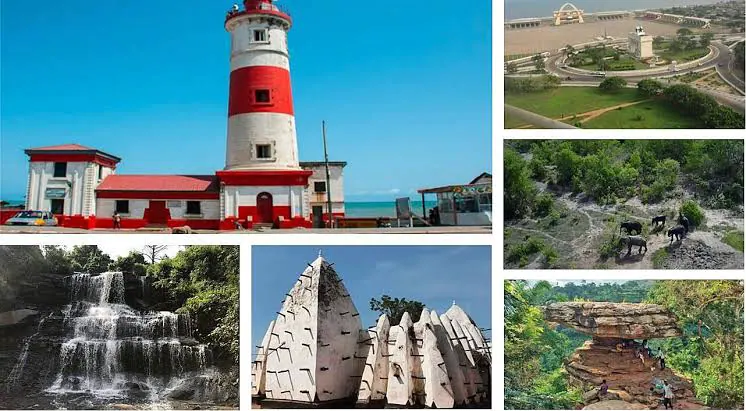
Ghana is set to receive global visibility through its partnership with Sunderland Football Club, placing "Visit Ghana" on the team's shirts during the 2026/27 English Premier League season. This marketing opportunity is expected to expose Ghana to millions of football fans worldwide. However, experts are questioning whether the country is prepared to handle the influx of tourists. The initiative aims to promote Ghana's tourism industry, but concerns arise about the quality of the tourist experience.
A recent comparison of hotel prices in Accra and Miami revealed that Ghanaian hotels are more expensive relative to the value received. A room at Kempinski Hotel Gold Coast City Accra costs around $414 per night, while a comparable room at Moxy Miami South Beach costs $154 per night. Industry experts attribute the high costs to land costs, utility costs, financing, taxes, and regulatory requirements. These factors contribute to the high operating costs of hotels in Ghana.
Despite the high costs, Ghana's tourism industry is growing. The country recorded 1,306,962 international tourist arrivals in 2025, up from 1,288,804 in 2024. Tourism generated approximately $4.34 billion in revenue, and domestic tourism increased to about 1.79 million visits in 2025. The number of licensed tourism enterprises also increased from 6,702 to 7,109. These numbers indicate a growing interest in Ghana's tourism industry.
However, experts argue that growth in visitor numbers should not lead to complacency. The objective should be to make tourists stay longer, spend more, travel beyond Accra, and return again. This requires more than just advertising; it requires value. The real product is not the hotel room but the experience, which includes transportation, airport transfers, restaurants, internet connectivity, and tourist attractions.
Industry analysts have identified service quality, staff responsiveness, cleanliness, food quality, internet connectivity, maintenance, and consistency as critical components of value for money. Recent assessments have also warned that poor service delivery could undermine Ghana's tourism competitiveness. To address these concerns, the government, Ghana Tourism Authority, hotel associations, and private-sector operators should work together to identify the biggest cost drivers affecting accommodation.
To improve competitiveness, Ghana needs to reduce the structural cost of producing the tourism experience. This can be achieved by creating a genuine tourism cost-competitiveness programme, reviewing the tax and levy structure affecting hospitality, and building a stronger mid-market tourism industry. A competitive tourism industry requires a competitive operating environment.
The Ghana Tourism Federation has raised concerns about the number of taxes and levies affecting tourism businesses, with businesses facing up to 20 different taxes and levies from various institutions. To address this, the government should consider a simplified, consolidated, or one-stop system for collecting taxes and levies. This would reduce administrative costs and make compliance easier for businesses.
Key points
- Ghana's tourism industry is growing, but experts question if the country is marketing itself faster than it is improving the tourist experience.
- High operating costs, including land costs, utility costs, financing, taxes, and regulatory requirements, contribute to the high costs of tourism in Ghana.
- To improve competitiveness, Ghana needs to reduce the structural cost of producing the tourism experience and create a genuine tourism cost-competitiveness programme.