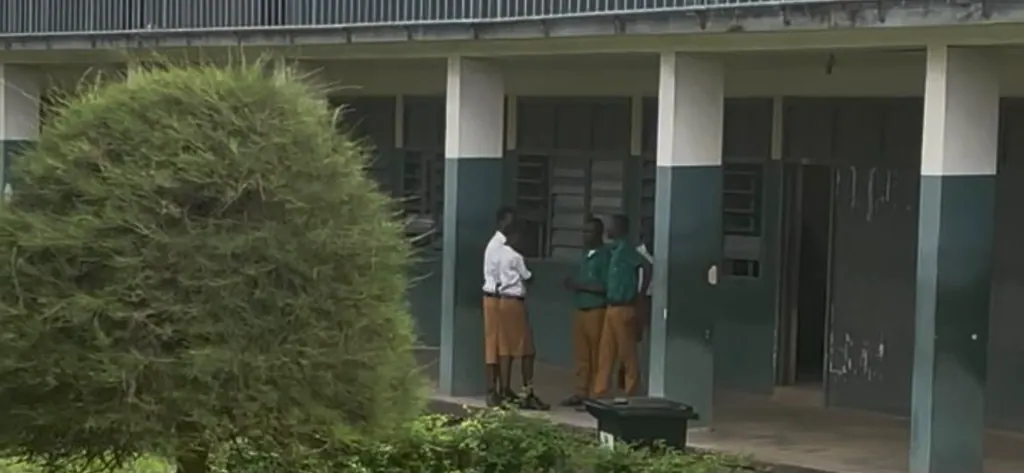
Final-year students at senior high schools in Kumasi, Ghana, are experiencing a disrupted academic schedule as the nationwide teachers' strike nears its third week. With the West African Senior School Certificate Examination (WASSCE) approaching, students are growing anxious about the lost instructional time. A Form Three student at Prempeh College expressed frustration, saying, "We come to school, and there is nothing to do." The student added that no teachers have been showing up to class, and the little time left before WASSCE begins is being wasted without any syllabus coverage.
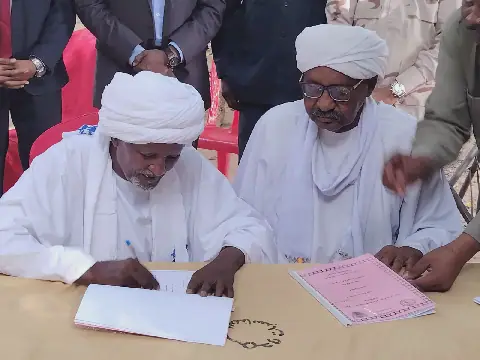
The nationwide industrial action, led by the Ghana National Association of Teachers (GNAT), the National Association of Graduate Teachers (NAGRAT), and the Pre-Tertiary Teachers Association of Ghana (PRETAG), started on September 25, 2026. The unions' grievances center on the placement of promoted teachers on new salary levels and unresolved negotiations over conditions of service. Despite government and union engagements, no breakthrough has been achieved, and the strike continues into its third week.
In Kumasi, students are stuck in limbo, with classrooms remaining empty. A second Form Three student expressed worry about the situation, particularly for final-year learners who have little time left to prepare academically. Some students have turned to private extra classes as the only structured teaching option available, but this is not feasible for families who cannot afford the additional cost. This gap in access raises concerns about fairness, as students from households that can pay for private tuition may continue learning while those who cannot are left behind.
The strike's impact is being felt across Ghana, with reports of empty classrooms in Accra as well. Some students are left on school compounds without supervision or teaching, while others are engaging in non-academic activities. To keep students occupied, some schools have organized Freshers Week activities for newly admitted students, but these activities cannot substitute for actual classroom instruction, particularly for Form Three students facing imminent examinations.
WASSCE results play a crucial role in shaping university admissions, scholarship eligibility, and job prospects for hundreds of thousands of Ghanaian students each year. Every week without teaching narrows the window available to complete the syllabus and revise before the exams. Students are worried about the cumulative effect of the strike, including topics left uncovered, disrupted revision schedules, and the prospect of cramming once normal classes resume.
The disruption comes just weeks after Education Minister Haruna Iddrisu disclosed that the government had spent GH¢917 million on the No-Fees-Stress policy, which covers fees and related costs for senior high school students. The ongoing teachers' strike has intensified public attention on how the education sector is being managed, with questions now extending beyond feeding and fees to the basic issue of whether lessons are happening in classrooms at all.
The government has repeatedly appealed to the unions to suspend the strike, and discussions between the two sides are ongoing. However, no specific date has been given for when the dispute might be resolved or when teachers are expected to return to classrooms. For now, school authorities are trying to keep students engaged through non-academic activities, while final-year students continue to lose instructional time they will need to recover before WASSCE.
Key points
- The strike has caused significant disruptions to the academic calendar, with students losing valuable instructional time ahead of the WASSCE.
- The government's spending on the No-Fees-Stress policy has come under scrutiny amid concerns about the management of the education sector.
- The strike has highlighted existing inequalities among students, with those from households that can afford private tuition having an advantage over those who cannot.