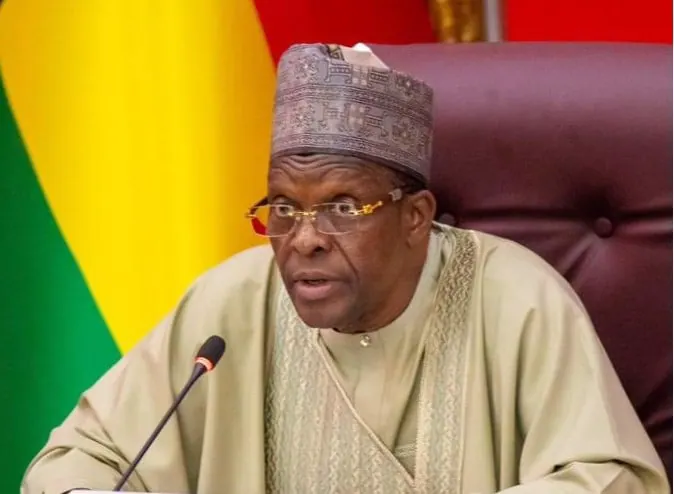
On September 29, 2026, during an emergency sitting of Ghana's Parliament, Speaker Alban Bagbin addressed the country's political leaders, urging them to rethink their approach to promoting politicians who engage in inflammatory and abusive rhetoric. He emphasized that rewarding individuals for provocative language can encourage others to adopt similar tactics, ultimately undermining the country's democratic development. According to Mr. Bagbin, this practice can lead to a culture where politicians prioritize attention-grabbing insults over constructive debate.
The Speaker of Parliament stressed that disagreements are inevitable in politics, but they should be expressed in a manner that does not erode public confidence or deepen divisions. He emphasized the crucial role that political parties play in shaping public discourse and encouraged them to ensure that recognition and opportunities are not solely based on a politician's ability to provoke opponents. By doing so, Mr. Bagbin hopes that Ghana's political landscape can shift towards a more constructive and respectful exchange of ideas.
Mr. Bagbin also challenged Parliament to lead by example, demonstrating the standards of conduct it expects from the wider public. He emphasized that leadership cannot simply consist of asking citizens to moderate their language; rather, those in positions of public trust must model the behavior they expect from others. By doing so, the Speaker hopes to promote a culture where political disagreements can be vigorous without becoming destructive.
The Speaker highlighted the significance of Ghana's democratic development, arguing that it depends on more than just elections, Parliament, and the courts. He emphasized that the country also needs a political culture in which opposing views can be expressed without turning political opponents into enemies. This, he believes, is essential for fostering a healthy and constructive democratic environment.
Mr. Bagbin warned that the continued use of inflammatory language and personal attacks can contribute to growing divisions and weaken the quality of democratic participation. He expressed concern that Ghana's democracy is too valuable to be endangered by a political culture in which insults replace arguments, abuse replaces persuasion, and opponents are treated as enemies. The Speaker's comments underscore the need for a shift towards more constructive and respectful political engagement.
In his address, the Speaker urged political party leaders and other public figures to promote discipline, decency, and substantive debate as part of efforts to strengthen Ghana's democratic culture. By promoting a culture of constructive dialogue, Mr. Bagbin hopes that Ghana's politicians can engage in more productive and respectful discussions, ultimately benefiting the country's democratic development.
The Speaker's call to action comes at a critical time, as Ghana's political landscape continues to evolve. By heeding Mr. Bagbin's words, Ghana's political parties can play a crucial role in shaping a more constructive and respectful political culture. Ultimately, this can help to strengthen Ghana's democracy and promote a healthier standard of political engagement.
Key points
- Speaker Alban Bagbin urges Ghana's political parties to reconsider rewarding politicians who use abusive language.
- The Speaker emphasizes the need for a political culture in which opposing views can be expressed without turning political opponents into enemies.
- Mr. Bagbin challenges Parliament to lead by example, demonstrating the standards of conduct it expects from the wider public.