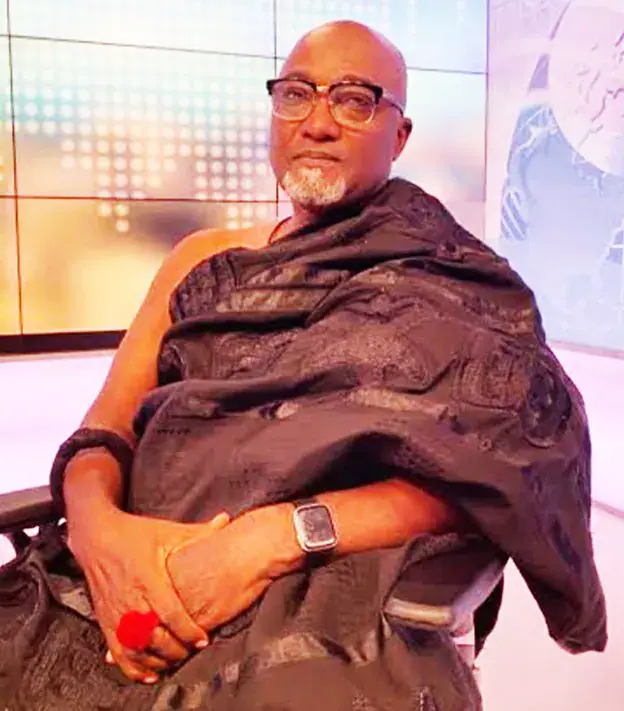
In a significant move away from colonial-era traditions, Ghana's Speaker of Parliament, Alban Sumana Kingsford Bagbin, has abandoned the formal suit and tie for traditional Ghanaian attire, such as kente and fugu. This change, which began in January 2022, marks a notable shift towards reclaiming Ghanaian cultural identity. By donning traditional clothing, Bagbin has set an example for other leaders to follow, demonstrating that authority and dignity can be conveyed through Ghanaian dress.
The Judiciary, however, remains one of the last institutions to hold onto colonial-era attire. Judges and lawyers continue to wear wigs and gowns, despite the fact that England, the origin of this tradition, has largely phased them out. Former Chief Justice Sophia Akuffo has argued that the wig and gown are essential to maintaining dignity in the courtroom. Nevertheless, many believe that Ghanaian fabrics and designs could be used to create an equally dignified and culturally relevant alternative.
President John Dramani Mahama has also made a conscious effort to promote Ghanaian culture through his wardrobe choices. He has been seen wearing traditional fugu and Ghanaian-styled clothing at official functions, both locally and abroad. In October 2026, during a visit to Russia, President Mahama wore Ghanaian attire to receive honorary doctorates, showcasing the country's rich cultural heritage to an international audience.
The President's commitment to promoting Ghanaian culture extends beyond his personal style. In February 2026, his government declared every Wednesday as National Fugu Day, encouraging Ghanaians to wear traditional clothing. This initiative has been well-received, with thousands of Ghanaians participating and embracing their cultural heritage. The Ministry of Tourism, Culture and Creative Arts has also played a key role in promoting Ghanaian dress and culture.
Despite these positive developments, colonial influences still persist in many areas of Ghanaian society. English continues to push Ghanaian languages out of the home, and many Ghanaians carry English names, often at the expense of their indigenous names. The prevalence of imported fast food and foreign cultural practices also poses a threat to Ghana's traditional way of life.
To address these challenges, government, traditional authorities, regulators, and families must work together to promote and preserve Ghanaian culture. This can be achieved through education, policy initiatives, and community engagement. By supporting local artisans, promoting Ghanaian languages, and embracing traditional practices, Ghanaians can reclaim their cultural identity and build a stronger sense of national pride.
Ultimately, Ghana's shift away from colonial relics is a complex and ongoing process. While progress has been made, much work remains to be done to fully reclaim and celebrate Ghanaian culture. As leaders continue to set examples and promote traditional practices, it is up to the wider society to follow suit and work towards a more culturally vibrant and confident future.
Key points
- Ghanaian leaders are promoting traditional dress and culture, but colonial influences still linger in many aspects of society.
- The Judiciary remains one of the last institutions to hold onto colonial-era attire, despite efforts to modernize and Ghanaianize the country's cultural practices.
- President Mahama's government has declared every Wednesday as National Fugu Day, encouraging Ghanaians to wear traditional clothing and promoting Ghanaian culture.