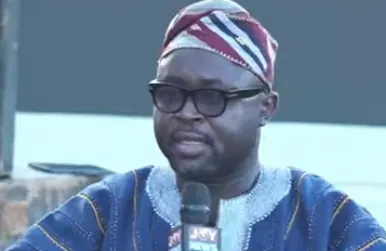
Savannah Regional Minister Salisu Be-Awuribe has emphasized the need for stronger public education to combat vote buying in Ghana. According to him, an informed electorate must play a leading role in resisting attempts to influence voters with money. He made these remarks at the ‘Democracy Is Not For Sale’ programme in Damongo on September 25. The programme aimed to address the growing influence of money in Ghana's electoral processes. Mr Be-Awuribe stressed that educating citizens about the value of their votes is crucial.
Mr Be-Awuribe noted that the public must not remain passive in the face of vote buying. He believes that when citizens are well-educated and rise up to the challenge, Ghana may be far from the current situation. The responsibility for tackling vote buying should not rest solely with politicians and law enforcement agencies. Citizens themselves have an important role to play in rejecting attempts to influence their electoral choices with money. This, he said, can help protect Ghana's democratic process.
The Savannah Regional Minister commended civil society organisations and media houses for bringing the issue to public attention and contributing to discussions on the impact of money on electoral processes. Their efforts have helped to raise awareness about the negative effects of vote buying. Mr Be-Awuribe also called on citizens to reject attempts by individuals to influence electoral outcomes through financial inducements. He stressed that the public must take an active role in confronting vote buying.
Mr Be-Awuribe urged citizens to revolt against individuals who attempt to buy their votes, emphasizing that their conscience cannot be bought. He maintained that sustained public education and citizen participation are crucial to safeguarding the integrity of Ghana's electoral processes. The minister's comments come as part of a broader effort to address the issue of vote buying in Ghana. Various stakeholders have been calling for collective action to end the practice.
The ‘Democracy Is Not For Sale’ programme in Damongo was part of a series of initiatives aimed at promoting democratic values and preventing vote buying. The programme provided a platform for stakeholders to discuss the impact of money on electoral processes and to explore ways to address the issue. Mr Be-Awuribe's remarks at the programme underscored the importance of public education in combating vote buying.
According to Mr Be-Awuribe, citizens must be empowered to make informed decisions about their electoral choices. This can be achieved through sustained public education and awareness-raising efforts. By educating citizens about the value of their votes, Ghana can reduce the influence of money in electoral processes. The minister's call for stronger public education has been welcomed by civil society organisations and media houses.
The issue of vote buying remains a challenge for Ghana's democratic process. However, with sustained public education and citizen participation, the country can make progress in addressing the issue. Mr Be-Awuribe's remarks have added to the growing call for collective action to end vote buying in Ghana. The government, civil society organisations, and citizens must work together to promote democratic values and prevent the manipulation of electoral outcomes.
Key points
- Savannah Regional Minister Salisu Be-Awuribe calls for stronger public education to combat vote buying in Ghana.
- Educating citizens about the value of their votes can help protect Ghana's democratic process from the growing influence of money.
- Sustained public education and citizen participation are crucial to safeguarding the integrity of Ghana's electoral processes.