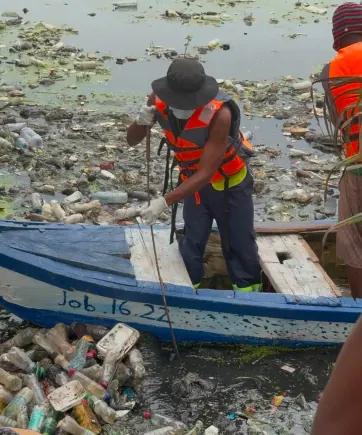
Ghana's President Mahama relaunched the National Sanitation Day on September 6, 2025, as part of his 'Clean Ghana' initiative, which aimed to make sanitation and cleanliness key performance benchmarks for District Chief Executives (MMDCEs). However, a year on, the situation remains dire, with filth piling up in cities like Accra. The Graphic Road and Kaneshie Market areas are particularly affected, with people heaping rubbish and leaving it in the median.
The National Sanitation Day was first declared in 2014, but previous efforts to tackle the sanitation problem have been short-lived. Former President J.J. Rawlings' efforts to desilt gutters in Accra received rounds of applause, but filth started piling up again shortly after. President Atta Mills launched localized clean-ups, but this effort was insufficient. Nana Akufo-Addo's promise to make Accra the cleanest city in Africa also ended in failure.
In the late 1980s, an Accra Mayor, Colonel Okine, supervised the establishment of a compost plant at Teshie, but it was not functioning two years later. Zoomlion's initiative to give out free waste bins to households in Accra also backfired, with people using them to store water. The country's history of failed sanitation initiatives dates back to the First Republic, when Kwame Nkrumah placed waste bins everywhere, but people found ways to circumvent their use.
A recent news item highlighted the issue of open defecation, with a woman arrested for defecating behind the Cape Coast Castle. Her reaction, asking what her offence was, is representative of the 30 million Ghanaians who engage in such practices without realizing the harm caused. This behavior is not limited to rural areas, with market women, taxi drivers, and street sellers contributing to the problem.
The issue of sanitation in Ghana is not just about infrastructure, but also about mindset and education. According to the writer, Enimil Ashon, the battle against filth is "upstairs" and requires a change in behavior. He cites the example of Bangladesh, which adopted a Community-Led Total Sanitation approach to fight open defecation, achieving a significant reduction in the practice.
The Bangladesh model, which triggered a collective shame and a shared desire for change, offers lessons for Ghana. The government that implemented this approach had no fear of losing votes in the next elections and knew the value of think tanks. They also focused on behavior change, which is crucial in addressing Ghana's sanitation challenges.
Despite the relaunched National Sanitation Day, no MMDCE has been held accountable for the return of filth. The lack of action against those responsible for the poor sanitation situation has been described as a national tragedy. The writer argues that this neglect is a result of "leaderlessness" and calls for a more effective approach to addressing the country's sanitation challenges.
Key points
- The National Sanitation Day in Ghana has failed to bring about significant change, with filth persisting in cities like Accra.
- Previous efforts to tackle the sanitation problem have been short-lived, with a lack of accountability for those responsible for the poor sanitation situation.
- Education and behavior change are crucial in addressing Ghana's sanitation challenges, with the Bangladesh model offering a potential solution.