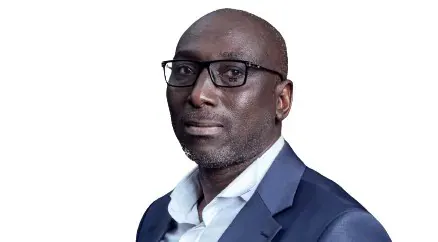
Ghana's road safety chief, Abraham Amaliba, has proposed a significant overhaul of the country's commercial transport sector, suggesting that only transport unions and companies, not individual riders, should be allowed to register as okada operators. This move aims to improve accountability and enforcement, as the current system makes it challenging to police who is operating on the roads. Amaliba made these remarks during Joy Prime's Dialogue on Road Safety Crisis on September 30.
Amaliba's proposal involves a new registration structure where riders must belong to a recognised union or company before being issued the necessary paperwork to operate. Commercial motorcycles would carry a distinct registration and number-plate system, separate from private motorcycles, making it easier for enforcement teams to identify commercial riders and their authority. This change would enable authorities to hold an organised body responsible for riders under its umbrella who break the law.
The NRSA Director-General emphasised the importance of the "three Es" of road safety: education, enforcement, and engineering, alongside emergency response. He warned that public education campaigns alone would not change driver behaviour if motorists and riders believed they could flout traffic regulations without facing punishment. Amaliba's proposal is part of a broader effort to address Ghana's road safety crisis, which has seen over 900 people die in roughly 9,000 preventable road crashes since January.
Amaliba also called on the Motor Traffic and Transport Department (MTTD) to intensify enforcement against commercial drivers who operate outside recognised terminals and unions, referred to as "wah-wah people." These drivers are informal, unaffiliated operators who are difficult to regulate, as they do not fall under the structure of a transport union. Amaliba suggested that the MTTD should monitor these drivers directly, as unions can only enforce discipline among their registered members.
The proposed changes would fundamentally alter how commercial transport is licensed and policed in Ghana. If adopted, riders or drivers without union or company backing would no longer be able to register independently and start operating. This shift could push many informal, unaffiliated operators into union membership or out of the commercial transport business altogether. For passengers, the aim is clearer accountability, with an organisation on record responsible for a rider's actions, rather than an anonymous individual.
The NRSA's proposal arrives amid mounting pressure on Ghana's road safety institutions to show results. Earlier reports detailed how 42 people were killed and 264 injured on the Accra-Kumasi highway in just eight months. Amaliba's remarks build on this backdrop of rising casualty figures, framing enforcement gaps, particularly around unregistered and unaffiliated commercial drivers, as part of the crisis driving the need for reform.
It is unclear when or whether the proposed union-only registration system for okada riders would be formally adopted into law or NRSA policy. The government body responsible for implementing the distinct number-plate and registration system, as well as the timeline for scaling up enforcement against unaffiliated drivers, has not been specified. The National Road Safety Authority (NRSA) is responsible for coordinating road safety policy, while the MTTD enforces traffic laws and manages road traffic.
Key points
- The NRSA Director-General wants only transport unions and companies to register okada riders, not individuals, to improve accountability and enforcement.
- The proposed changes aim to address Ghana's road safety crisis, which has seen over 900 people die in roughly 9,000 preventable road crashes since January.
- The union-only registration system would fundamentally alter how commercial transport is licensed and policed in Ghana, pushing many informal operators into union membership or out of the commercial transport business.