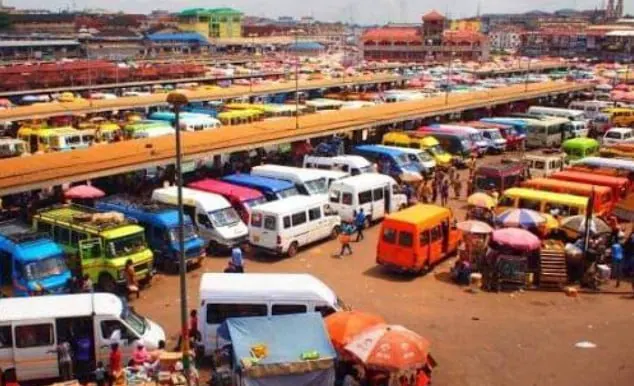
Ghanaian commuters will pay 8% more to ride trotros, shared taxis, and other commercial public transport vehicles starting September 26. This increase follows weeks of negotiations between the Ministry of Transport, GPRTU, and GRTCC. The GPRTU and GRTCC had initially pushed for a 30% increase, citing rising operational costs, fuel prices, vehicle maintenance, spare parts, lubricants, and insurance.
The Ministry of Transport countered with a GH¢2-per-litre intervention on diesel to ease pressure on operators and commuters. A joint technical team from the Ministry, GPRTU, and GRTCC then reviewed the actual cost inputs, settling on the final 8% figure. This is not the first fare increase in 2026; a 20% increase took effect on June 2, driven by the same complaints about fuel and spare-parts costs.
The repeated adjustments compound quickly into a real cut in disposable income for commuters. For someone commuting twice a day, five or six days a week, these increases add up. A GH¢10 trip that once cost GH¢10 became about GH¢12 after the June increase; the new 8% adjustment stacks a further rise on top of that.
Life at the bus stop was already difficult before this latest hike. On the Nungua-Accra route, a shortage of vehicles has reportedly left commuters paying more than three times the normal fare. Heavy rain has repeatedly stranded commuters, triggering transport chaos on routes like Madina-Adenta and leaving people stuck at Circle overnight.
The real problem behind the pain is not just the fare increase but stagnant earnings. If ordinary Ghanaians' incomes were rising to match the fare hikes, the burden would be less significant. For workers whose salaries grow with inflation or traders with strong sales, an extra few cedis on a trotro ride is an inconvenience. However, for those whose income has stayed flat or whose business is struggling, it is a direct cut into already insufficient funds.
The burden of the fare increase falls unevenly on workers on fixed salaries, students, and traders. For traders, especially those in the informal sector, a rise in fares adds directly to the cost of doing business, often passed on to consumers. For students and workers, it means less money left over once the commute is paid for.
The lesson for policymakers is that the underlying question cannot only be about diesel prices and spare parts; it has to be about whether ordinary Ghanaians' earning power is growing. Until incomes and business activity genuinely strengthen, each new fare adjustment will keep landing on people with less room to absorb it than the numbers suggest.
Key points
- The 8% fare increase is a result of negotiations between the Ministry of Transport, GPRTU, and GRTCC, citing rising operational costs and fuel prices.
- This is not the first fare increase in 2026, with a 20% increase taking effect on June 2.
- The fare hike will have a greater impact on those with stagnant incomes or struggling businesses.