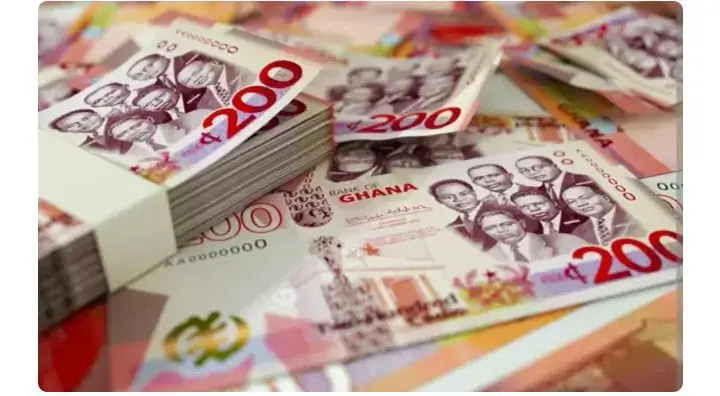
The Ghanaian government and trade unions have signed a two-year agreement on public sector salaries, providing for a 9% increase in 2027 and a 10% increase in 2028. The deal, negotiated within the Joint Standing Committee on Public Service Negotiations, covers the period from January 1, 2027, to December 31, 2028. This agreement affects workers under the Single Spine Salary Structure, a unified salary scale for the public sector.
Under the terms of the agreement, the 9% increase in 2027 will be divided into two parts: 8% will go towards basic salary for all workers, while 1% will be allocated for service conditions. This detailed breakdown is crucial for understanding the actual increase in basic salary. In 2028, a 10% increase in basic salary has been agreed upon, applicable to all workers and calculated based on the basic salary in effect as of December 31, 2027.
To illustrate the impact of these increases, consider an example of a worker with a basic monthly salary of 5,000 Ghanaian cedis. By January 2027, this worker's basic salary will rise to 5,400 cedis, reflecting the 8% increase. In January 2028, the 10% increase will be applied to the new basic salary of 5,400 cedis, not the original 5,000 cedis, resulting in an additional 540 cedis, bringing the total basic salary to 5,940 cedis. Over two years, this represents a basic salary increase of approximately 19%.
The agreement does not provide for any additional increases for the remainder of 2026. To assess the real impact of these salary increases, it's essential to consider the inflation rate. According to Ghana's Statistical Service, the inflation rate was 5.2% in September 2026, down from 5.0% in August and significantly lower than the 9.4% recorded in September 2025. The inflation rate had dropped to 3.2% by March 2026.
The salary increases are part of efforts to enhance the welfare of public sector workers. The Single Spine Salary Structure, under which these workers are paid, aims to promote fairness and equity in the remuneration of public sector employees. The agreement reflects a compromise between the government's fiscal constraints and the unions' demands for better pay.
The implementation of these salary increases will be monitored closely by both the government and the unions to ensure that they achieve the desired outcomes. The agreement is seen as a step towards improving the living standards of public sector workers and helping them cope with the rising cost of living.
The Ghanaian government's decision to increase public sector salaries is also expected to have broader economic implications, potentially boosting consumer spending and economic growth. However, the effectiveness of these measures in addressing the challenges faced by public sector workers and the broader economy will depend on various factors, including the inflation rate and overall economic performance.
Key points
- The agreement provides for a 9% salary increase in 2027 and a 10% increase in 2028 for public sector workers in Ghana.
- The salary increases are part of a two-year agreement negotiated between the government and trade unions.
- The increases will be implemented within the Single Spine Salary Structure, aimed at promoting fairness and equity in public sector remuneration.