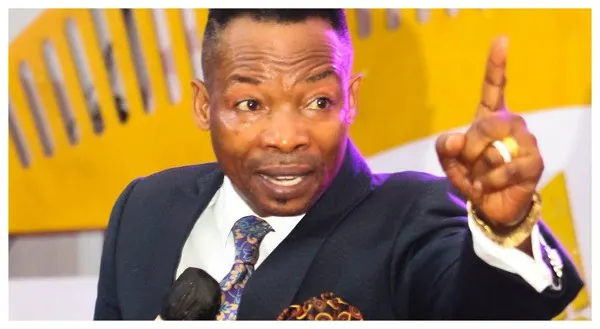
Ghanaian Prophet Salifu Amoako has publicly dismissed allegations of occultism levelled against him and fellow pastors over matching rings worn at the funeral of Prophet Elisha Osei Kofi. The controversy began when footage of the ceremony showed several clergymen, including Amoako, wearing similar rings, prompting some social media users to accuse them of engaging in occult practices. Amoako, founder of Alive Chapel International, has since responded to the backlash.
Amoako stated that he purchased the ring himself because he liked its appearance and questioned why his choice of jewellery was anyone else's business. He argued that wearing similar rings or shoes should not automatically be read as a sign of occultism. Amoako told his critics that they could "go to hell" since he owes no explanation to them. This response has sparked further debate about the conduct of prominent religious leaders and the scrutiny they face on social media.
The incident occurred during the burial of Prophet Osei Kofi, where Amoako announced that pastors present would personally accompany the deceased's body to the cemetery. Social media users quickly picked up on the footage, leading to accusations of occultism. Amoako's comments have drawn attention to the tension between prominent religious leaders and an increasingly vocal online public that scrutinises clergy conduct and symbols.
This is not Amoako's first public controversy. He has previously claimed that police officers "can't touch him" for driving without a valid licence, stirring public debate about his conduct and the privileges he believes come with his position. As the founder of Alive Chapel International, one of Ghana's well-known charismatic churches, Amoako's public comments tend to attract wide scrutiny.
Amoako also used the opportunity to caution young people about their online conduct, warning that those who do not know how to protect themselves spiritually risk having their actions used against them online. His remarks have sparked a wider conversation about the responsibility that comes with a large following on social media and the impact of online scrutiny on public figures.
The controversy reflects a recurring tension between prominent religious leaders and the online public in Ghana. Accusations of occultism against pastors can spread rapidly on social media and affect public perception of religious institutions. The incident has raised questions about the limits of scrutiny and the responsibilities of public figures in Ghana.
The sources do not indicate whether Alive Chapel International or any church body plans to issue a further statement on the matter. No timeline for further developments has been given. The incident remains a topic of discussion in Ghanaian circles, highlighting the complex relationship between religious leaders and their online presence.
Key points
- Prophet Salifu Amoako rejects accusations of occultism over matching rings worn at a colleague's funeral.
- Amoako tells critics to "go to hell" over allegations.
- The incident highlights tensions between Ghana's prominent religious leaders and the online public.