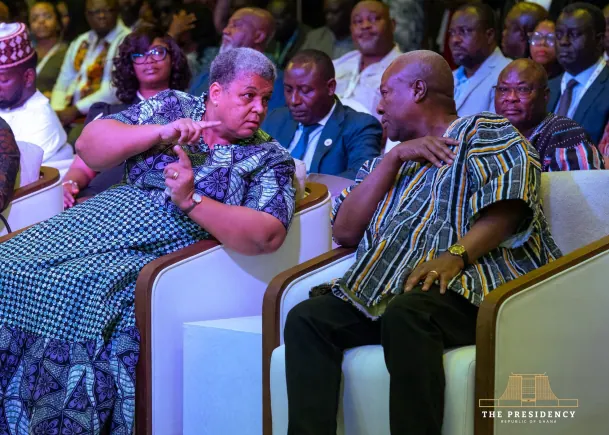
President John Dramani Mahama has made a significant announcement to address Ghana's housing crisis, a major development challenge in the country. At the opening of the National Housing Finance Conference 2026 in Accra, the President directed the Minister of Finance to allocate GH¢1 billion in the 2027 Budget as the government's contribution to a GH¢3 billion revolving fund for the National Housing Fund. This move aims to provide affordable housing for Ghanaians, particularly low- and middle-income earners.
Ghana's housing deficit is estimated at over 1.8 million units and growing by about 100,000 units annually. The crisis is not just about the number of houses but also about affordability. Most houses built in regional capitals are not for the average formal sector worker, trotro driver, or trader, but for the top 10 percent of the population. The high cost of housing is attributed to rising construction costs, limited access to long-term financing, and high mortgage rates.
The country's mortgage market is almost non-existent, with mortgage interest rates ranging from 25 percent upwards and tenors of 10 to 15 years. This makes it difficult for individuals to access mortgages, leading to unplanned and uncompleted residential building sprawl. Most Ghanaians build incrementally over five to 20 years, buying one trip of blocks at a time, while others remain trapped in rent, paying two years' advance rent.
The National Homeownership Fund and its revolving fund idea aim to address these challenges. A revolving fund of GH¢3 billion, if properly structured, could be a catalyst for change. The fund must lower the cost of housing finance, not just increase its supply. It must provide long-term, single-digit or low double-digit cedi financing to developers of affordable housing and to home buyers, especially low- and middle-income earners.
To ensure the fund's success, it must be insulated from politics and have independent, professional management, transparent qualification criteria, public auditing, and parliamentary oversight. The fund must work with the Ministry of Lands, District Assemblies, and traditional authorities to make titled, serviced land available. The government can contribute land, not just money, to support the fund's objectives.
The fund must also support the use of local building materials, such as burnt bricks, pozzolana cement, and clay, to reduce costs. Building 100,000 affordable houses a year with local materials can create hundreds of thousands of jobs for masons, carpenters, electricians, and suppliers. This aligns with the New Economy agenda, which focuses on jobs and decent jobs.
President Mahama's directive is a bold start, but commitment must now be matched with design, transparency, and discipline. Allocating GH¢1 billion in the 2027 Budget in this fiscal environment will not be easy, but it shows the government's commitment to addressing the housing crisis. Ghanaians need keys to houses they can afford, with mortgages they can pay, and the GH¢3 billion revolving fund must be the beginning of that journey.
Key points
- The GH¢3 billion revolving fund aims to provide affordable housing for Ghanaians, particularly low- and middle-income earners.
- The fund must be properly structured, with independent management, transparent qualification criteria, and parliamentary oversight to ensure its success.
- The fund must work with other government agencies and traditional authorities to make titled, serviced land available and support the use of local building materials.