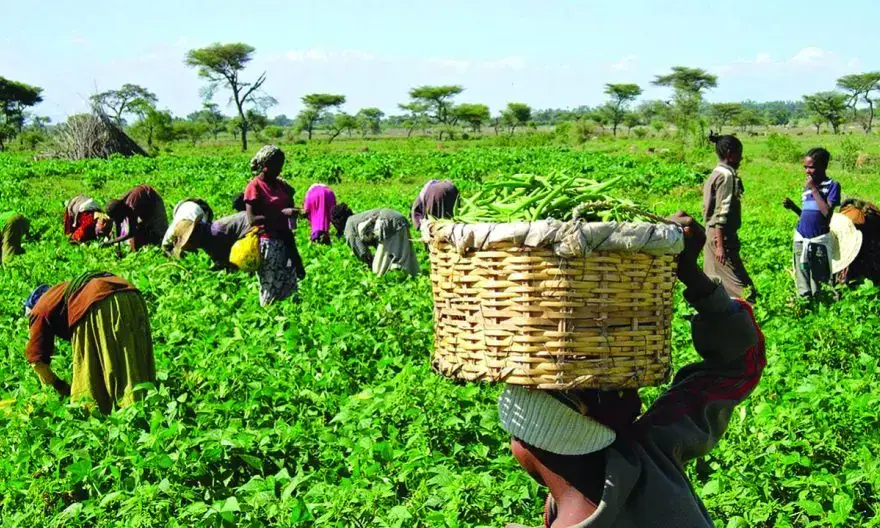
The Peasant Farmers Association of Ghana (PFAG) is calling on the government to establish an Agricultural Emergency Response Fund to protect smallholder farmers from potential losses due to the expected El Niño weather conditions. Forecasts predict severe heat and dry conditions between November 2026 and April 2027, which could lead to significant water shortages and crop losses, particularly in the Northern and Transition zones. This has raised concerns about agricultural production and food prices across West Africa.
The association's demand for an emergency fund comes amid financial difficulties faced by local rice farmers, who have reportedly lost investments due to inadequate storage facilities and delays in government support. Farmer groups have also cited bureaucratic delays between the Ministry of Food and Agriculture (MoFA) and the Ministry of Finance as a major obstacle to building resilience in the sector. These delays have hindered the provision of irrigation infrastructure, leaving farmers vulnerable to climate-related shocks.
To address the potential impact, PFAG is demanding that the government allocate at least 10 per cent of the 2027 national budget to agriculture. This call aligns with recommendations by international organisations, including the Food and Agriculture Organization (FAO), for governments to invest in anticipatory measures rather than wait until disasters occur. Such interventions include developing water-harvesting systems and distributing drought-tolerant, early-maturing seeds to farmers ahead of the expected dry conditions.
The association's Executive Director, Bismark Nortey, has urged the Ministry of Food and Agriculture to accelerate the distribution of climate-resilient seeds, warning that funding gaps could undermine efforts to protect farmers and national food security. He emphasised the need for practical measures to minimise the potential impact on farmers, rather than just relying on weather forecasts. According to Nortey, the government should work with relevant agencies to identify vulnerable farming communities and provide timely climate information in languages they understand.
Nortey proposed a three-phase response involving early preparation, immediate support during a crisis, and long-term investment in agricultural resilience. This approach would enable the government to respond effectively to the needs of farmers and mitigate the impact of El Niño. The PFAG's call for an emergency fund and increased budget allocation is aimed at supporting smallholder farmers, who are crucial to Ghana's agricultural sector and food security.
The expected El Niño weather conditions pose a significant threat to agricultural production in Ghana, particularly in the Northern and Transition zones. The PFAG's demands are intended to address the potential impact on farmers and the national food security. By investing in anticipatory measures, the government can reduce the risk of crop losses and support farmers in adapting to climate-related shocks.
The government's response to the PFAG's calls will be crucial in determining the resilience of Ghana's agricultural sector in the face of climate change. The association's proposals for an emergency fund and increased budget allocation are aimed at supporting smallholder farmers and promoting sustainable agricultural practices. Key to this effort is the need for effective coordination between government agencies and relevant stakeholders to ensure that support reaches vulnerable farming communities.
Key points
- The Peasant Farmers Association of Ghana is calling for a 10% budget allocation for agriculture in 2027.
- The association proposes a three-phase response to mitigate the impact of El Niño on farmers.
- The expected El Niño weather conditions pose a significant threat to agricultural production in Ghana's Northern and Transition zones.
Reporting sources
- Peasant Farmers Association call for 10% budget allocation, emergency fund ahead of El Niño · Ghana Broadcasting Corporation