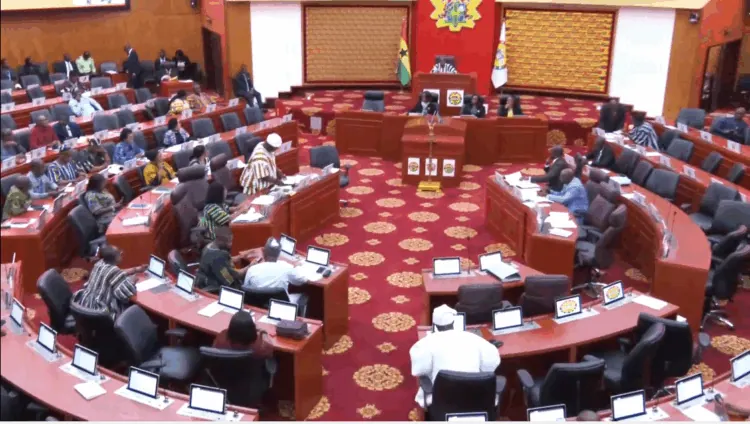
On September 29, 2026, Speaker of Parliament Alban Bagbin made a significant decision to adjourn the House indefinitely. This move came after he rejected a Minority motion that sought a parliamentary investigation into major narcotics consignments linked to Ghana. The motion, proposed by the Leader of the House, aimed to establish an ad hoc committee to look into the processing and export of these consignments. However, Speaker Bagbin ruled that the motion was inadmissible.
The Speaker's decision was based on the grounds that the proposed inquiry overlapped substantially with ongoing criminal proceedings. He expressed concerns that proceeding with the motion could prejudice the interests of parties involved in the cases before the courts. According to Bagbin, allowing the motion to proceed in its present form at that particular time could compromise the judicial process. This reasoning led him to declare the private member's motion inadmissible under Parliament's Standing Orders.
Following his ruling, Speaker Bagbin adjourned the sitting until further notice. This decision effectively halted all parliamentary proceedings indefinitely. The adjournment was met with various reactions, with the Minority vowing to pursue the narcotics probe despite the Speaker's rejection of the motion. This development indicates a potential standoff between the Speaker and the Minority regarding the investigation into narcotics consignments.
The narcotics consignments in question have been a matter of concern, with many Ghanaians calling for a thorough investigation. The Minority's motion was an attempt to shed light on the processing and export of these consignments, which they believe may have been linked to illegal activities. However, with the Speaker's ruling, the fate of the investigation remains uncertain.
Speaker Bagbin's decision to adjourn Parliament indefinitely has significant implications for the country's legislative business. The adjournment could delay the passage of crucial bills and the consideration of important matters. While the Speaker's ruling was based on the need to avoid prejudicing ongoing judicial proceedings, it also raises questions about the ability of Parliament to effectively oversee the executive and address pressing national issues.
The Minority's determination to pursue the narcotics probe despite the Speaker's rejection suggests a potential showdown between the two sides. The Minority has expressed its commitment to uncovering the truth about the narcotics consignments and ensuring that those responsible are held accountable. This development could lead to further tensions between the Speaker and the Minority.
The adjournment of Parliament indefinitely has sparked concerns about the impact on Ghana's governance and development. With Parliament unable to conduct its business, there are fears that critical issues may be neglected. The Speaker's decision, while aimed at protecting the integrity of the judicial process, has created uncertainty about when Parliament will reconvene and what business will be conducted when it does.
Key points
- The Speaker of Parliament, Alban Bagbin, adjourned the House indefinitely after rejecting a Minority motion to investigate major narcotics consignments linked to Ghana.
- The rejected motion sought to establish an ad hoc committee to investigate the processing and export of narcotics consignments.
- The adjournment has significant implications for Ghana's legislative business, potentially delaying crucial bills and oversight activities.