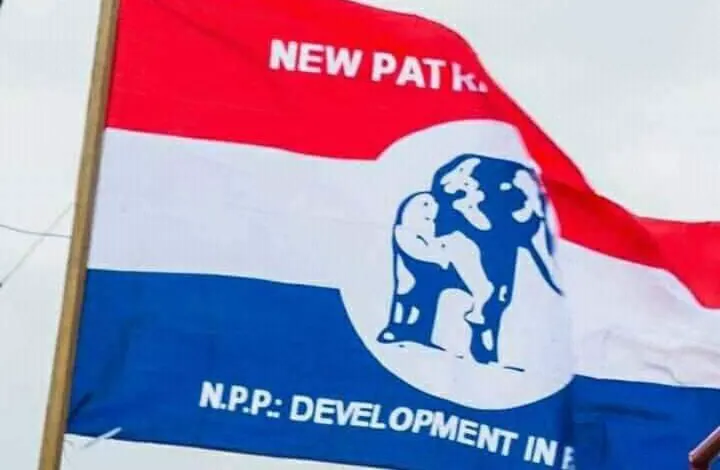
The New Patriotic Party (NPP) has elected a new national executive, with John Boadu as National Chairman and Justin Frimpong Kodua as General Secretary. The elections, held at the Baba Yara Sports Stadium in Kumasi on October 3, 2026, saw a competitive race and a late alliance between Boadu and Sammy Crabbe. This development has significant implications for the NPP's rebuilding efforts after its heavy defeat in the 2024 general elections.
The NPP's new national executive includes notable figures such as Titus Glover as National Organiser, Henry Nana Boakye, Nana Akomea, Mavis Hawa Koomson, Abanga Fuseini, Alfred Kojo Thompson, and Mohammed Ali Suraj. John Boadu's return as National Chairman is particularly significant, given his previous experience as General Secretary and his knowledge of the party machinery and grassroots structures.
The NPP's rebuilding efforts should be of interest to the National Democratic Congress (NDC), the ruling party, as it looks towards the 2028 elections. The NDC should recognise that opposition parties can recover quickly when they retain strong structures, while governing parties can become vulnerable when they neglect their own organisation. The NPP's new leadership and organisational machinery suggest a deliberate effort to reconnect with voters and rebuild the party.
One key lesson for the NDC is the importance of maintaining strong party structures, even when in government. The NPP's national officers are focused on rebuilding the party, while many senior NDC figures are occupied with government responsibilities. If the NDC allows its branches, constituencies, and regional structures to become dormant, it may discover too late that administrative power is not the same as party organisation.
The NDC's greatest advantage is not organisational, but the opportunity to govern well and ensure that citizens experience improvements in their everyday lives. A recent survey found President John Dramani Mahama's approval rating at 58.9 per cent, with economic performance being the main reason given by those who approved of his performance. However, growing expectations are that macroeconomic gains should translate into better living conditions, jobs, and household security.
The government's delivery of economic progress and improvements in people's lives will be crucial in determining its chances in the 2028 elections. If macroeconomic gains coexist with persistent unemployment, high household costs, and weak public services, the opposition will have material with which to challenge the government. The NDC should prioritise youth employment, providing credible pathways into employment, entrepreneurship, skills development, and economic participation.
Ultimately, the NDC's success in the 2028 elections will depend on its ability to balance governance and party organisation. The party must ensure that its branches, constituencies, and regional structures remain active and engaged, while also delivering on its promises to improve the lives of Ghanaian citizens. By doing so, the NDC can mitigate the risk of losing power and maintain its position as the ruling party.
Key points
- The NPP's rebuilding efforts offer lessons for the NDC on the importance of maintaining strong party structures.
- The NDC's greatest advantage is the opportunity to govern well and improve citizens' lives.
- Youth employment is a critical challenge that the government must address to ensure its success in the 2028 elections.