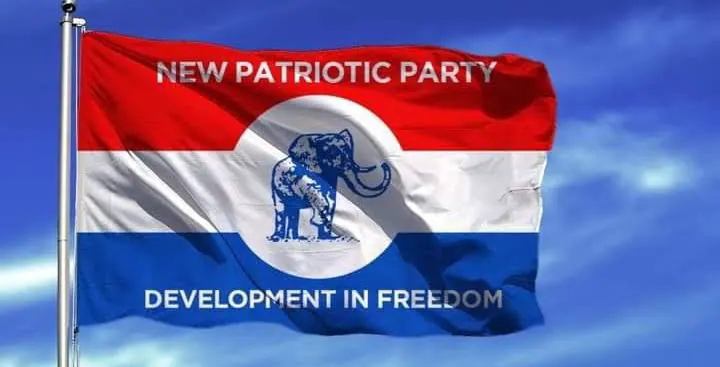
In a recent article, Manasseh Azure Awuni, a prominent Ghanaian journalist, discussed the shift in dynamics within Ghana's New Patriotic Party (NPP). He emphasized that intellectualism and strategic thinking are crucial for the party's success, rather than relying solely on charisma and muscle. Awuni argued that the NPP's traditional appeal to educated voters and the middle class is changing, with the party becoming more like the National Democratic Congress (NDC) of the past. This shift has significant implications for the party's future.
Historically, the NPP has dominated university campuses and attracted educated voters, but Awuni notes that this trend is changing. The NDC, once seen as the party of the masses, has made significant inroads among educated voters and the middle class. The NPP's shift towards a more populist approach may not yield the desired results, as voters are becoming increasingly nuanced in their political affiliations. Awuni cautioned that underestimating the voter may be a fatal error, and the party must adapt to the changing terrain.
The NPP's past successes were often attributed to its appeal to educated voters and the middle class. However, with the growing middle class and increasing education levels, the party must reassess its strategy. Awuni pointed to the example of Sir John, a former NPP General Secretary, who was elected on an abrasive platform but ultimately failed to deliver results. In contrast, the NDC's Asiedu Nketia, a strategist with a strong grassroots appeal, has been a formidable opponent.
The NPP's shift towards "buga buga" politics, characterized by charismatic but often divisive leaders, may not be effective in the long run. Awuni argued that most voters are not swayed by such antics and are looking for leaders with substance and intellectualism. The party's future success will depend on its ability to balance charisma with strategic thinking and intellectualism.
The NPP's recent election outcome has been seen as a warning sign for the party. While some claim that the outcome is a message to the NDC, Awuni disagreed, arguing that superior intellect and strategic thinking will be crucial in the 2028 elections. The party must focus on developing leaders with broad-based appeal and intellectualism to succeed.
In response to the changing dynamics, new NPP executives have pledged to unite the party and address the needs of youth and women. John Boadu, the new NPP National Chairman, has emphasized the importance of unity and reconciliation within the party. Other party leaders, including Prof. Mike Oquaye, have also stressed the need for the party to adapt to the changing political landscape.
As the NPP navigates these changes, the party must prioritize intellectualism and strategic thinking to remain competitive. The party's future success will depend on its ability to develop leaders who can appeal to a broad range of voters, while also addressing the needs of its core constituency. Ultimately, the NPP's shift in dynamics presents both challenges and opportunities for the party to grow and evolve.
Key points
- The NPP's shift towards intellectualism and strategic thinking is crucial for its success.
- The party's traditional appeal to educated voters and the middle class is changing.
- The NPP's future success will depend on its ability to balance charisma with intellectualism and strategic thinking.