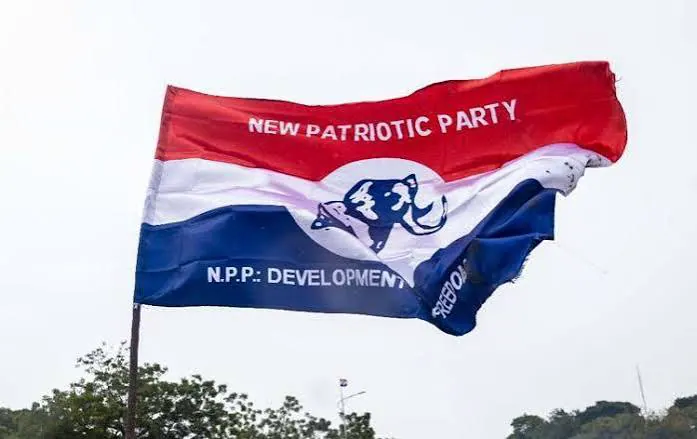
The New Patriotic Party (NPP) in Ghana is facing internal debate over its new candidate-scouting strategy ahead of the 2028 general elections. The party's 2028 flagbearer, Dr Mahamudu Bawumia, and the newly elected National Executive Committee (NEC) are set to implement the strategy. This move has sparked concerns among some grassroots members and political observers that it could undermine the party's democratic processes. The NPP has traditionally prided itself on its bottom-up democratic structures.
The candidate-scouting strategy involves an independent team identifying popular community leaders across constituencies, regardless of their party affiliation or financial resources. This marks a significant shift from the party's traditional approach, where local delegates play a key role in selecting candidates. Critics argue that introducing centrally identified candidates into local contests could reduce the influence of local delegates and raise questions about the role of the party's established primary processes.
The NPP's leadership has defended the move as a scientific approach to curbing the growing influence of money in internal politics. Dr Bawumia stated that the strategy aims to identify candidates capable of winning constituencies where local dynamics may have affected the party's electoral performance. The party's assessment of its recent electoral setbacks, which saw its parliamentary representation fall from 137 seats to 88, led to the push for candidate scouting.
The party's leadership maintains that the search will run alongside its existing primary processes, serving as a means of identifying candidates considered capable of winning constituencies. However, concerns remain among some members and observers that the initiative could create opportunities for favouritism or perceived interference. Critics argue that determining a candidate's viability through centrally conducted research could sidelined local aspirants who have spent years building relationships and support within their constituencies.
The debate highlights a broader question for the party: can the NPP tackle the influence of money in its internal elections without weakening the role of local delegates? The party's traditional primary system has been a cornerstone of its democratic processes, and some members fear that the new strategy could undermine this. The NPP's ability to balance its desire to reduce the influence of money with the need to maintain its democratic structures will be crucial in the lead-up to the 2028 elections.
Dr Bawumia has blamed the monetisation of internal primaries for some of the party's electoral difficulties. He stated that some people can win parliamentary primaries because they have money, but they can't win the general elections. The party's leadership believes that the candidate-scouting strategy will help identify candidates who can win elections, rather than just primaries.
The NPP's new candidate-scouting strategy has sparked a necessary debate about the party's democratic processes and the influence of money in internal politics. The party's ability to navigate this debate and find a balance between its desire to reduce the influence of money and maintain its democratic structures will be crucial in the lead-up to the 2028 elections. The outcome will likely have significant implications for the party's future and its chances of success in the next general elections.
Key points
- The NPP's candidate-scouting strategy aims to reduce the influence of money in internal politics.
- The strategy involves an independent team identifying popular community leaders across constituencies.
- Critics argue that the strategy could undermine the party's democratic processes and create opportunities for favouritism.