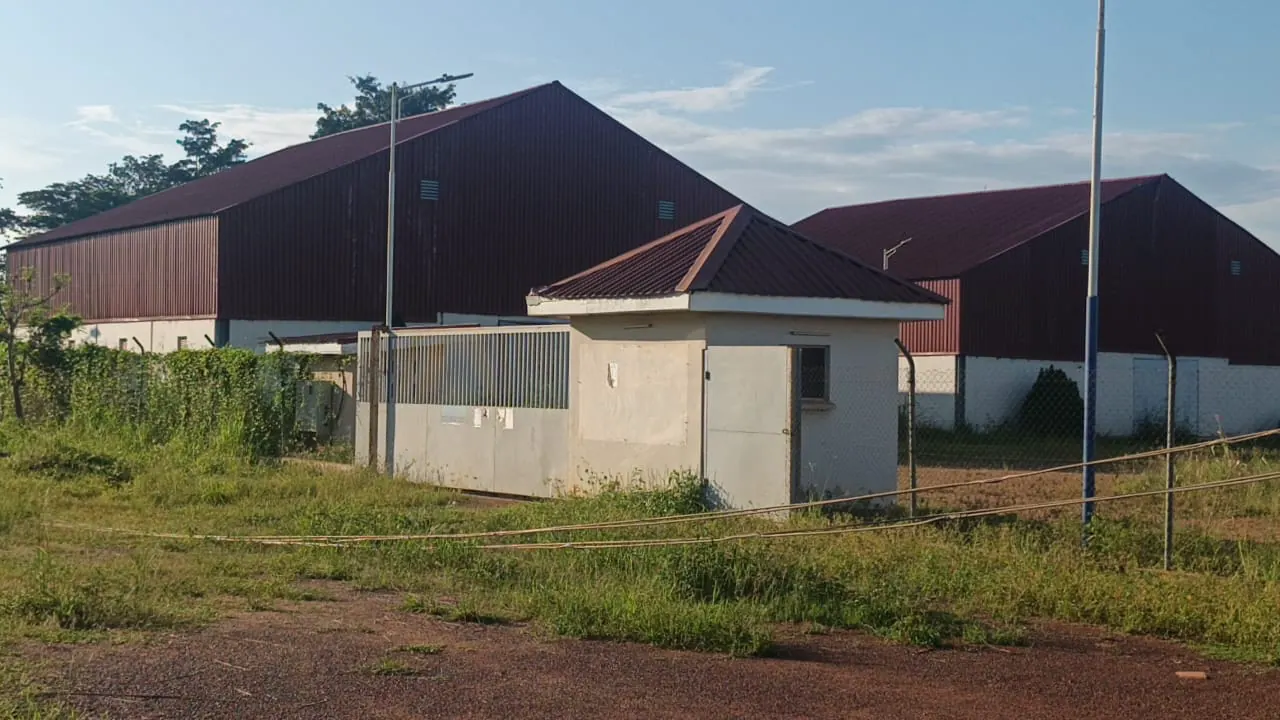
A rice processing plant in the Dormaa West District of Ghana's Bono Region has ceased operations due to a lack of locally produced paddy to sustain its activities. The facility, which was established in July 2021 at a cost of GH¢7.243 million, was designed to support local rice farmers, increase processing capacity, and reduce Ghana's dependence on imported rice. The plant is equipped with modern equipment capable of processing between 1.5 and 2.8 tonnes of rice per hour.
The plant's closure has been attributed to limited access to farm inputs, machinery, and capital by local rice farmers. Many farmers rely on loans from individuals to finance their operations, with some lenders taking portions of the harvested rice as repayment at the end of the farming season. This leaves farmers with little capital to invest in the next season, making it difficult for them to expand their farms and produce enough paddy for the processing plant.
Weeds have begun to overgrow parts of the facility's premises, highlighting the impact of the plant's idleness. The plant's equipment, which was designed to mill and sort rice to meet the quality standards of imported rice, remains unused. Local farmers and stakeholders are calling for government intervention to provide support to local rice farmers and enable the plant to operate at full capacity.
The Member of Parliament for the area, Vincent Oppong Asamoah, has urged the government to invest more in local rice production to provide the plant with the raw materials it needs to operate. He believes the facility could supply quality locally processed rice to institutions, particularly Senior High Schools in the Bono Region, while helping reduce the country's reliance on imported rice.
The government has announced plans to extend the Dɔ Bi Di farming initiative to rice farmers in the area. The initiative will support farmer groups with improved seeds, machinery, and other inputs to increase paddy production and ensure a steady supply of raw materials to the processing plant. The programme is particularly targeted at smallholder farmers who often struggle to access credit because they lack collateral.
Dr. Peter Boamah Otokunor, Director of Presidential Initiatives in Agriculture and Agribusiness at the Office of the President, says the initiative will provide support at various stages of rice production to enable farmers to increase their output and improve their economic independence. The success of the initiative could determine whether the Nkrankwanta plant returns to full operation, creating a reliable market for local farmers and boosting rice production in the district.
For farmers in Dormaa West, the revival of the facility would not only prevent the GH¢7.243 million investment from remaining idle but also contribute to efforts to reduce Ghana's dependence on imported rice. The plant's reopening would also create jobs and stimulate economic growth in the area, highlighting the importance of government support for local rice production.
Key points
- The plant's operations were halted due to a shortage of locally produced paddy.
- Local farmers are calling for government support to boost production and enable the plant to operate at full capacity.
- The government has announced plans to extend the Dɔ Bi Di farming initiative to rice farmers in the area to increase paddy production.