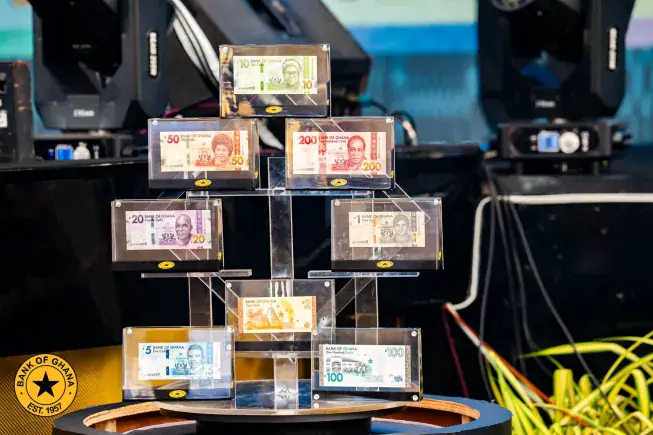
The Bank of Ghana has introduced the Heritage Series banknotes, which feature improved security features to prevent counterfeiting and are printed on reinforced cotton paper, making them smaller and easier to handle. The series retains the full range of eight denominations from GH¢1 to GH¢200, including the return of the GH¢2 note. The banknotes' technical aspects have been well-received, but concerns have been raised about the choices made in their design.
The new banknotes feature a diverse range of portraits, including Dr. Kwame Nkrumah, Kofi Annan, and Theodosia Salome Okoh, the designer of the national flag. The selection of portraits is more varied than the old series, with women, clergy, music, judiciary, education, diplomacy, and commerce all represented. The decision to feature a market trader, Agnes Oforiwa Tagoe-Quarcoopome, on the GH¢1 note has been praised for recognizing the economic labor of Ghanaian women.
However, concerns have been raised about the omission of key national figures, including the Big Six, a collective portrait that has been featured on the existing notes. The new series only retains Dr. Kwame Nkrumah, elevating him to the highest denomination, and removes the other five founders from the currency altogether. This decision has been criticized for narrowing the popular memory of independence to the story of a single man, particularly given that the notes enter circulation just months before Ghana marks 70 years of independence.
The timing of the new banknotes' release has also been questioned, as it coincides with a significant national anniversary. The decision to omit the Big Six, some of whom are remembered as founders of the Danquah-Busia political tradition, while retaining a figure associated with the rival Nkrumahist tradition, has raised concerns about partisan motivations. The Bank of Ghana has been urged to publish the criteria and consultation process used to select the portraits, buildings, and images in the Heritage Series.
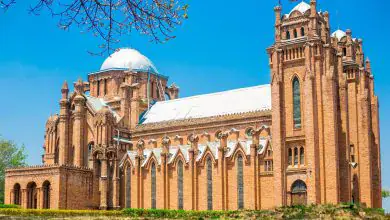
The reverse designs of the banknotes feature buildings, but these are largely limited to Accra, with six out of seven buildings depicted located in the capital. This has been criticized for neglecting the architectural heritage of other regions, including Kumasi, Tamale, and Cape Coast. A citizen from the Upper East or Volta Region may feel that the nation's built heritage is not represented in the banknotes.
The Bank of Ghana has been called upon to consider a commemorative issue for the 70th anniversary of independence that restores the collective portrait of the Big Six. Additionally, the public education campaign announced by the bank should be used to facilitate open discussion about representation, as well as instruction in recognizing security features.
The cedi has been a visible expression of Ghanaian sovereignty since its introduction in 1965, and the theme of the Heritage Series, "The Cedi, Our Future: Secure, Designed to Last," signals that these notes are expected to endure. It is essential that the account of the nation's history and heritage presented on the banknotes is one that every Ghanaian can recognize and identify with.
Key points
- The new Heritage Series banknotes have raised questions about national identity and geography due to the omission of key national figures and landmarks.
- The Bank of Ghana has been urged to publish the criteria and consultation process used to select the portraits, buildings, and images in the Heritage Series.
- A commemorative issue for the 70th anniversary of independence has been proposed to restore the collective portrait of the Big Six.
Reporting sources
- Open letter to Bank of Ghana Governor on heritage series... · Daily Graphic