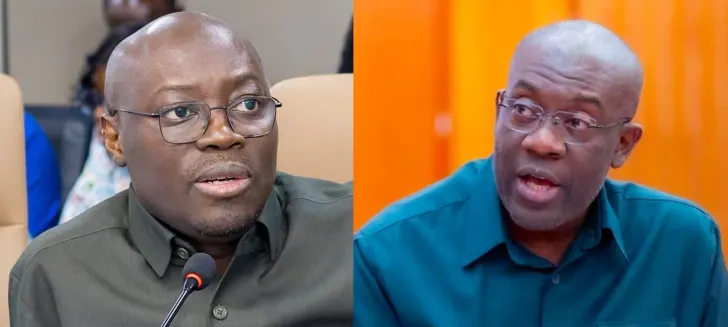
Ghana's Finance Minister, Dr. Cassiel Ato Forson, has been promoting the "New Economy" initiative, aiming to boost domestic production and job creation. The initiative will commit about $10 billion over four years to commercial agriculture, mining value addition, energy, and transport infrastructure. While the goal is widely agreeable, concerns have been raised about the government's track record on previous programs. The opposition has called for transparency and accountability on the previous initiatives before investing in the new one.
The 24-Hour Economy program, a key initiative of the NDC, promised 1.7 million decent jobs by 2028, with a direct budget allocation of GH¢110 million for 2026. However, when questioned about the program's progress in July, the Secretariat cited 268 filling stations and 33 manufacturers operating in shifts, which were already operational before the current government took office. Additionally, 160,000 jobs were claimed to have been created from recently signed agreements, but these numbers have been disputed as unverifiable.
Another initiative, the Women's Development Bank, was promised to provide financial support to women, but it has not lent a single cedi almost two years after its announcement. Despite an allocation of GH¢51.3 million in 2025 and several hundred million more in 2026, the bank has not yet commenced operations, awaiting a banking license. Women's groups, such as NETRIGHT, are now publicly urging the government to expedite the process.
The One Million Coders Programme, which aimed to train a million young Ghanaians over four years, had a target of 300,000 for 2026. However, by the mid-year review, only 140,000 registrations, 40,000 enrolments, and 28,000 completions of at least one module had been recorded. Critics argue that completing one module does not necessarily translate to being a coder, and there is no published data on how many trainees have secured employment.
The Feed Ghana initiative, including its poultry component, Nkoko Nkitinkiti, was designed to reduce chicken imports by supporting household poultry production. However, the program has faced criticism, with the Poultry Farmers Association labeling it an "abysmal failure." The Agriculture Minister claims the project is a success, citing falling poultry prices, but has not provided data on the number of beneficiaries still in production or the impact on import volumes.
The New Economy initiative appears to incorporate elements from previous programs, such as commercial agriculture under Feed Ghana and energy projects listed under the 24-Hour Economy. Critics argue that the new label does not add significant value, except to provide a fresh starting point for the government to measure its performance. The opposition has questioned whose stability the government is referring to, given that many of the current positive economic indicators were inherited from the previous administration.
The IMF program, which was negotiated and secured by the previous government, has been credited with anchoring the economic recovery. The domestic debt exchange and agreement with bilateral and commercial creditors have also eased pressure on interest payments and maturities. With about GH¢58 billion in restructured domestic bonds falling due in 2027 and GH¢53 billion in 2028, Ghanaians are entitled to ask whether the government's fiscal discipline was genuine or only lasted as long as the IMF was involved.
Key points
- The opposition is calling for the government to put the New Economy initiative on hold and report properly on previous commitments.
- The government has been accused of lacking transparency and accountability on previous programs.
- The New Economy initiative has been allocated $10 billion over four years to support commercial agriculture, mining value addition, energy, and transport infrastructure.