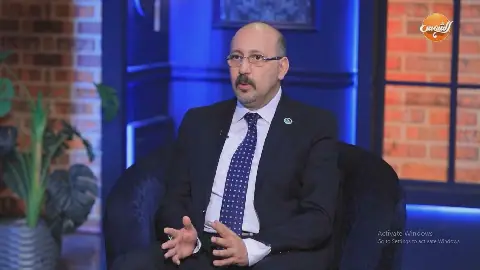
The National Housing Fund (NHF) in Ghana has reduced its mortgage interest rate from 13.5% to 8.4% under its National Mortgage Scheme. This change aims to make housing finance more affordable and accessible to prospective homeowners. The NHF's Chief Executive Officer, Prosper Hoetu, announced this at the National Conference on Housing Finance in Accra on October 7, 2026. He stated that lending under the scheme resumed in September 2026.
According to Mr. Hoetu, the revised rates are a result of prudent economic management and a blended financing arrangement between the NHF and its partner financial institutions. The response to the new rates has been encouraging, with a significant number of applications received and additional financial institutions expressing interest in participating. The NHF will increase its investment in the Scheme to expand the program and accommodate more applicants.
Mr. Hoetu highlighted that Ghana's housing challenge extends beyond the availability of houses to the difficulty many people face in accessing suitable financing. He shared stories of individuals who struggled to access mortgages due to various reasons, such as lack of conventional financial records or retirement without completing their homes. These stories illustrate the need for a more inclusive housing finance system.
Citing the 2024 Housing Profile, Mr. Hoetu stated that about 60% of Ghanaians who need financial assistance to own homes face circumstances similar to those of the individuals he mentioned. Ghana's mortgage penetration is estimated at just 0.3% of Gross Domestic Product, one of the lowest in Africa. The formal real estate sector meets only about 10% of the country's housing needs, with about 90% of housing delivery dependent on incremental financing.
Mr. Hoetu called for housing finance arrangements that recognize the different circumstances of salaried workers, informal sector earners, and young people. He suggested that lower-interest mortgages and rent-to-own arrangements could help workers acquire homes. Additionally, he proposed allowing workers to use part of their pension contributions to support homeownership, presenting it as a potential option rather than an announced change to pension rules.
The NHF has successfully piloted the National Mortgage Scheme and the Rent-to-Own Scheme, reviewing both over the past year and a half to improve affordability and access. Mr. Hoetu emphasized the need for a housing finance system that provides multiple pathways to homeownership, including rent-to-own, mortgages, and social housing. The NHF has also developed a homebuyers database to provide real-time information on housing demand and supply in Ghana.
The two-day conference, which brings together Ghanaian and international experts, will examine access to housing finance, constraints on supply, climate-smart construction, non-interest banking, and green financing. The NHF has also completed a rapid diagnostic assessment with Shelter Afrique Development Bank and the Ministry of Works, Housing and Water Resources, which will inform a proposed Country Housing and Urban Development Partnership Strategy. Improving housing finance can generate wider economic benefits through construction jobs and increased business for financial institutions.
Key points
- The National Housing Fund reduces mortgage rate to 8.4% to increase access to homeownership.
- Ghana's mortgage penetration is estimated at just 0.3% of Gross Domestic Product.
- The NHF has successfully piloted the National Mortgage Scheme and the Rent-to-Own Scheme.