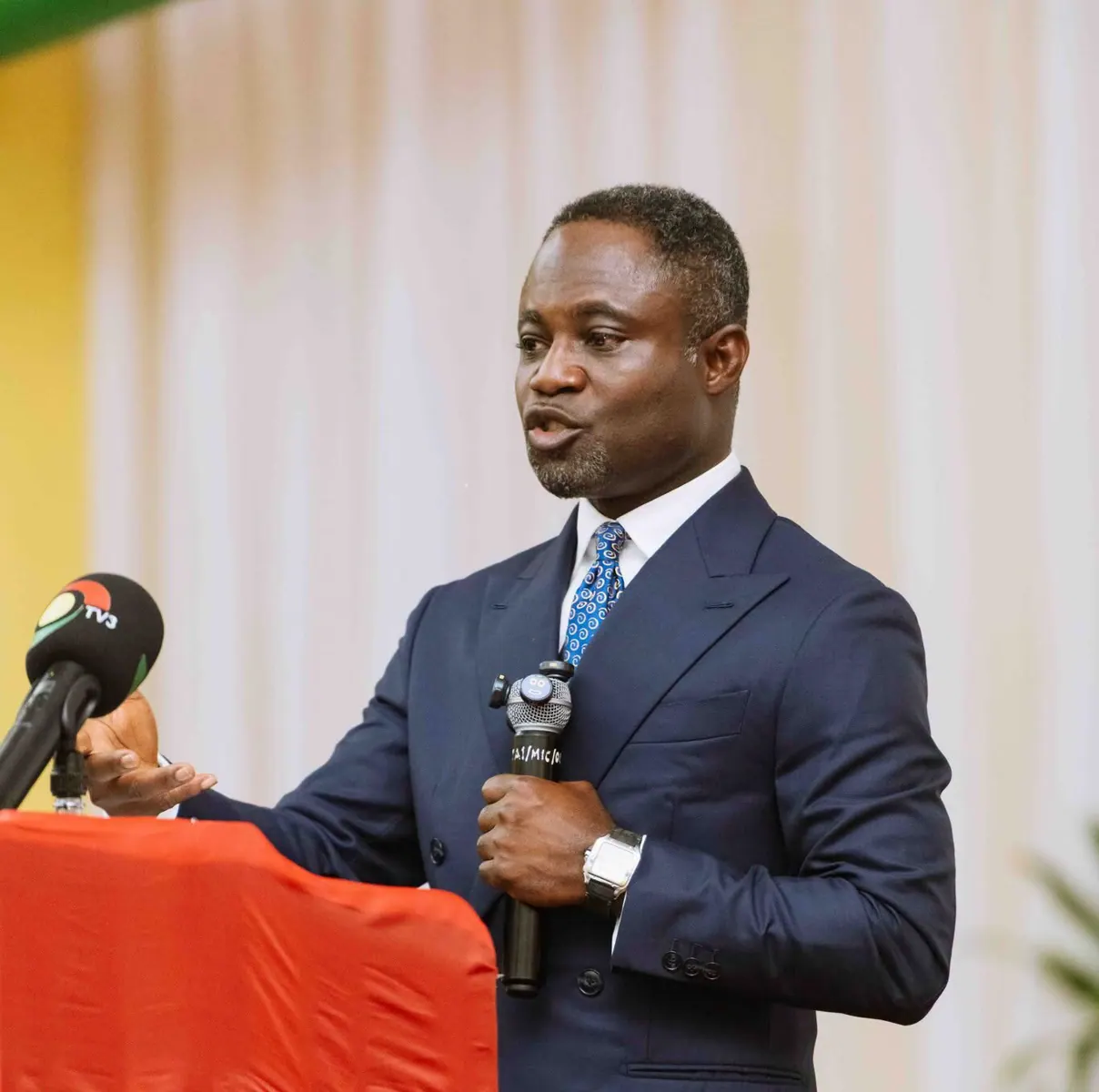
Ghana's Health Minister, Kwabena Mintah Akandoh, announced a significant increase in active membership under the National Health Insurance Scheme (NHIS). The scheme's active membership has grown from 56.3% in 2024 to 70% as of August 2026. This growth is part of ongoing efforts to strengthen access to healthcare in Ghana. The Minister attributed the increase to measures aimed at improving the financial position of the NHIS.
The increase in active membership is largely due to improvements in the NHIS's financial situation. One key measure was the uncapping of the National Health Insurance Levy, providing the scheme with additional resources to meet its obligations to healthcare providers. This change has enabled the NHIS to better support healthcare services across the country. The Minister highlighted that the government's efforts to boost the NHIS's finances have been crucial in achieving this growth in active membership.
The government has significantly increased funding for the NHIS. In 2024, the NHIS received about GH¢6.5 billion, which was increased to GH¢9.8 billion in 2025. This represents an average 50 per cent increase in payments to healthcare providers. The enhanced funding has helped improve the ability of healthcare providers to serve beneficiaries without delays in claims payments. This boost in funding is a critical factor in the NHIS's ability to support healthcare services.
Between January and September 2026, GH¢2.1 billion was paid in NHIS claims. This substantial payment has helped healthcare providers continue serving beneficiaries while reducing delays in claims payments. The timely payment of claims is essential for maintaining a robust healthcare system. The Minister emphasized that these payments have been instrumental in sustaining healthcare services under the NHIS.
The Free Primary Healthcare initiative is another key program being implemented by the government. Currently, this initiative is being delivered in 135 districts, with plans to expand it nationwide. This expansion is part of broader efforts to advance Universal Health Coverage in Ghana. The initiative aims to make primary healthcare more accessible to all Ghanaians.
The government is also focused on improving healthcare infrastructure and equipment. There are plans to complete 35 Agenda 111 hospital projects and work on three regional hospitals. Additionally, 24,534 pieces of medical equipment are being procured to retool health facilities. These efforts are aimed at enhancing the quality and accessibility of healthcare services across the country.
Emergency medical services are also being strengthened. A total of 220 ambulances have been insured and are currently operational. The government plans to procure an additional 100 ambulances in 2027 to further enhance emergency medical services. Furthermore, the health sector is advancing six post-basic specialist nursing programmes, which involve more than 600 students. An electronic bed management system is also being implemented to improve hospital bed coordination and utilization.
Key points
- Active membership in Ghana's NHIS has risen to 70% as of August 2026.
- The government has increased NHIS funding from GH¢6.5 billion in 2024 to GH¢9.8 billion in 2025.
- GH¢2.1 billion was paid in NHIS claims between January and September 2026.