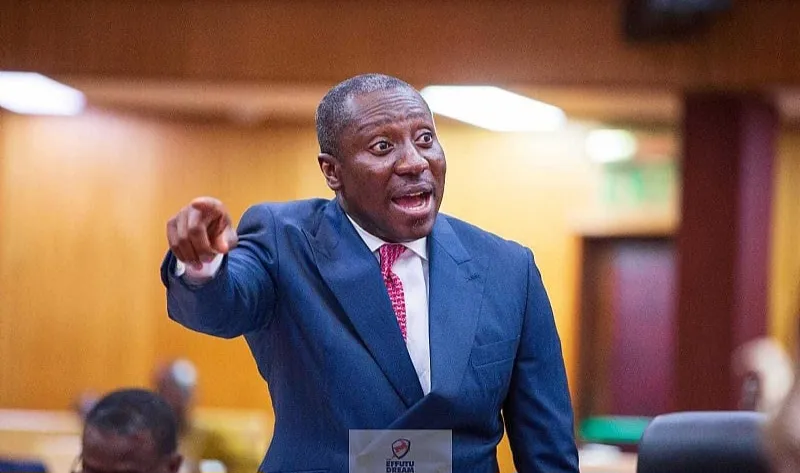
On September 29, 2026, Ghana's Minority Leader, Alexander Afenyo-Markin, expressed disappointment with Speaker Alban Bagbin's decision to dismiss a motion for a parliamentary inquiry into recent major narcotics seizures. The motion, filed by First Deputy Minority Whip Habib Iddrisu on September 28, sought to investigate how major narcotics consignments were processed, inspected, cleared, and exported from Ghana. The inquiry was prompted by significant seizures, including 3.9 metric tonnes of cocaine at France's Port of Dunkirk on September 10, 2026, and 320 kilogrammes of methamphetamine by the Australian Border Force in June 2026.
Speaker Bagbin ruled that the motion was inadmissible due to ongoing criminal proceedings, citing potential prejudice to pending judicial proceedings. However, Afenyo-Markin argued that the Speaker erred in using existing pending criminal proceedings to determine the scope and manner of the inquiry. He emphasized that the proposed inquiry aimed to examine broader institutional and systemic issues surrounding the seizures, rather than interfering with the courts.
Afenyo-Markin stressed that the image of Ghana is on trial and that Parliament must exercise its constitutional oversight responsibilities despite the Speaker's ruling. He warned that weakening parliamentary oversight could reduce accountability across state institutions, leaving them with fewer checks on the exercise of power. The Minority Leader maintained that democracy requires a strong Parliament and that a super-majority must not be used to weaken the Minority or silence scrutiny.
The Minority Leader's criticism of the Speaker's decision was based on the argument that Parliament's inquiry would not prejudice pending judicial proceedings but rather complement them. Afenyo-Markin emphasized that the proposed inquiry would examine the conduct, administration, and effectiveness of public institutions involved in the matter, which is within Parliament's mandate.
Speaker Bagbin's decision was based on Standing Orders 5, 6, and 103, Sub-Rule F, which govern the admissibility of motions in Parliament. However, Afenyo-Markin disputed this decision, arguing that it undermines Parliament's oversight responsibilities. The Minority Leader's stance is that the Speaker's ruling has failed the integrity test required of Parliament to discharge its duties effectively.
The dispute between the Minority Leader and the Speaker highlights the complexities of parliamentary oversight in Ghana. Afenyo-Markin's determination to pursue the inquiry despite the Speaker's rejection suggests a deeper issue of accountability and transparency in the country's governance. The Minority Leader's comments also underscore the importance of a strong and effective Parliament in ensuring that state institutions are held accountable.
The issue is likely to have significant implications for Ghana's governance and accountability landscape. As the Minority Leader indicated, the matter will not be allowed to rest, suggesting further action or debate on the issue. The outcome will be closely watched by stakeholders in Ghana's democratic process, including civil society organizations, the media, and the general public.
Key points
- The Minority Leader disputes the Speaker's decision to block a parliamentary inquiry into recent major narcotics seizures.
- The proposed inquiry aims to examine institutional and systemic issues surrounding the seizures.
- The dispute highlights complexities of parliamentary oversight in Ghana.