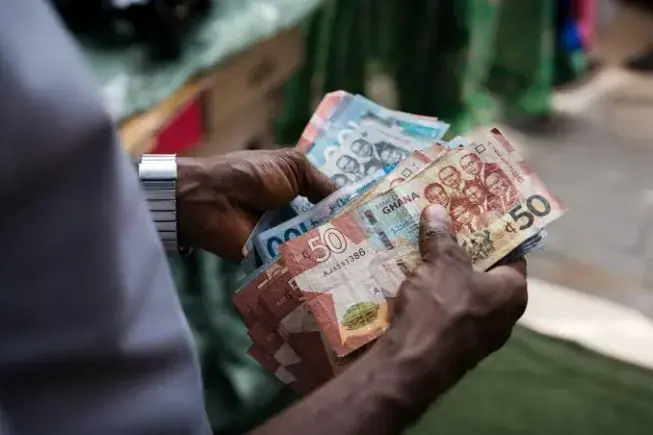
The National Daily Minimum Wage in Ghana will increase from GH¢21.77 to GH¢25.04 starting January 1, 2027, representing a 25.4% rise. This change is part of a two-year wage framework agreed upon by the National Tripartite Committee. The committee announced this in a communiqué, stating that the wage will increase further to GH¢28.79 from January 1, 2028.
The increase in the minimum wage is expected to raise the earnings of workers whose salaries are pegged to the national daily minimum wage, providing them with additional income to meet their daily expenses. For workers currently on the minimum wage, the new rate will mean an additional GH¢3.27 for each working day from January 2027. The further increase in 2028 will bring the daily minimum wage to GH¢7.02 above its current level.
The adjustment comes at a time when the cost of food, transportation, utilities, and other necessities remains a significant consideration for household budgets in Ghana. However, the extent to which the increase will improve workers' purchasing power will depend partly on how prices of goods and services change over the period. The communiqué was jointly signed by key stakeholders, including the Minister of Labour, Jobs and Employment, and the President of the Ghana Employers' Association.
The agreement was reached after negotiations involving the government, employers, and Organised Labour. The two-year arrangement aims to provide predictability in wage determination and support medium-term economic planning. Under this arrangement, employers will have a clearer basis for planning their wage bills over the two years, while workers will know the minimum rate to expect in 2027 and 2028.
The National Tripartite Committee has directed all establishments, institutions, and organisations paying below the new minimum wage to adjust their rates from January 2027. Employers have been urged to comply with the agreed wage levels. The implementation of the new rates will require employers currently paying below the revised threshold to increase their workers' daily earnings accordingly.
The Committee further recommended that the government make the National Daily Minimum Wage tax-exempt. The agreed rates can, however, be reviewed if there are significant changes in key economic indicators, including inflation, exchange rates, and economic growth. Any review will be conducted through consultations among the tripartite partners, using credible economic data, with adjustments based on consensus.
The National Daily Minimum Wage serves as a foundational safety net designed to protect workers from unduly low pay and ensure a basic standard of living. While it sets a floor for daily earnings, actual salaries for most formal sector workers are typically higher, determined by employment contracts, collective bargaining agreements, or sector-specific negotiations. The minimum wage is set by the National Tripartite Committee, which brings together representatives of the government, employers, and organised labour to agree on a fair rate.
Key points
- The National Daily Minimum Wage in Ghana will increase to GH¢25.04 in 2027 and GH¢28.79 in 2028.
- The increase aims to provide workers with additional income to meet their daily expenses, considering the current cost of living.
- The new wage framework provides predictability in wage determination and supports medium-term economic planning.
Reporting sources
- Minimum wage jumps to GH¢25.04 in 2027, GH¢28.79 in 2028 · Daily Graphic