The Kumasi High Court and other lower courts in the Ashanti region of Ghana have been shut down due to an ongoing industrial action by the Judicial Service Staff Association of Ghana (JUSAG). The strike, which began on November 2, 2026, has left litigants seeking legal redress stranded at court premises in Kumasi. A tour of the affected courts confirmed that the facilities were closed, with no judiciary staff present, except for a few individuals seeking legal services.
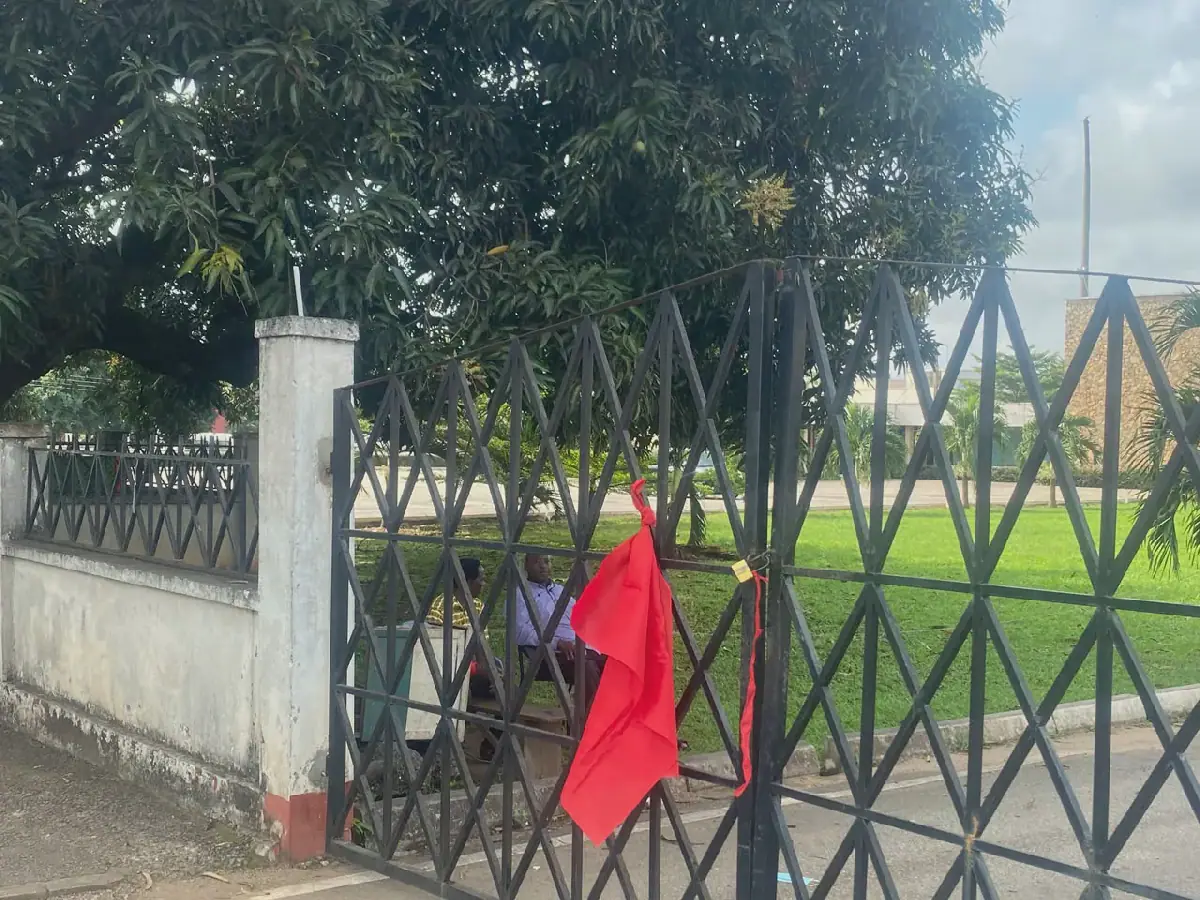
The strike is a result of the Judicial Service Staff Association of Ghana's (JUSAG) demands for a 2026 salary review and outstanding arrears. Some clients who had cases scheduled for hearing on the day of the strike arrived at the court premises only to find the gates locked and adorned with red bands announcing the strike. One of the affected litigants, Joyce Konama, whose case was scheduled for judgment at the High Court on October 2, 2026, expressed concern after traveling a considerable distance to attend the proceedings, only to meet empty courtrooms.
Litigants and clients have appealed to the government to prioritize the welfare and conditions of service of judicial service staff to ensure the smooth administration of justice. They warned that if the strike continues for days, it could escalate and have negative consequences for the country. The strike has brought the judiciary to a standstill, with many court proceedings unable to take place.
The Judicial Service Staff Association of Ghana (JUSAG) had earlier announced its intention to begin the strike on November 2, 2026, over unpaid salary arrears. The association has been pressing for a review of its members' conditions of service and the payment of outstanding arrears. The strike has affected not only the Kumasi High Court but also other lower courts in the Ashanti region.
A visit to the Kumasi High Court, Court of Appeal, Asokwa Circuit Court, and Kumasi Metropolitan Assembly (KMA) Court confirmed that the facilities were closed, with no signs of activity. The only individuals present were a handful of persons seeking legal services, who were turned away due to the strike. The strike has caused significant disruptions to the administration of justice in the region.
The government has been urged to fast-track negotiations with JUSAG to resolve the issues leading to the strike. The strike has highlighted the need for the government to prioritize the welfare and conditions of service of judicial service staff. If the issues are not resolved promptly, the strike could have long-term consequences for the judiciary and the country as a whole.
The strike by JUSAG has significant implications for the administration of justice in Ghana. The association's demands for a salary review and outstanding arrears must be addressed to prevent further disruptions to court proceedings. The government must engage with JUSAG to find a resolution to the issues leading to the strike.
Key points
- The Judicial Service Staff Association of Ghana (JUSAG) began a strike on November 2, 2026, over unpaid salary arrears and a 2026 salary review.
- The strike has left litigants stranded in Kumasi, with many court proceedings unable to take place.
- The government has been urged to prioritize the welfare and conditions of service of judicial service staff to ensure the smooth administration of justice.