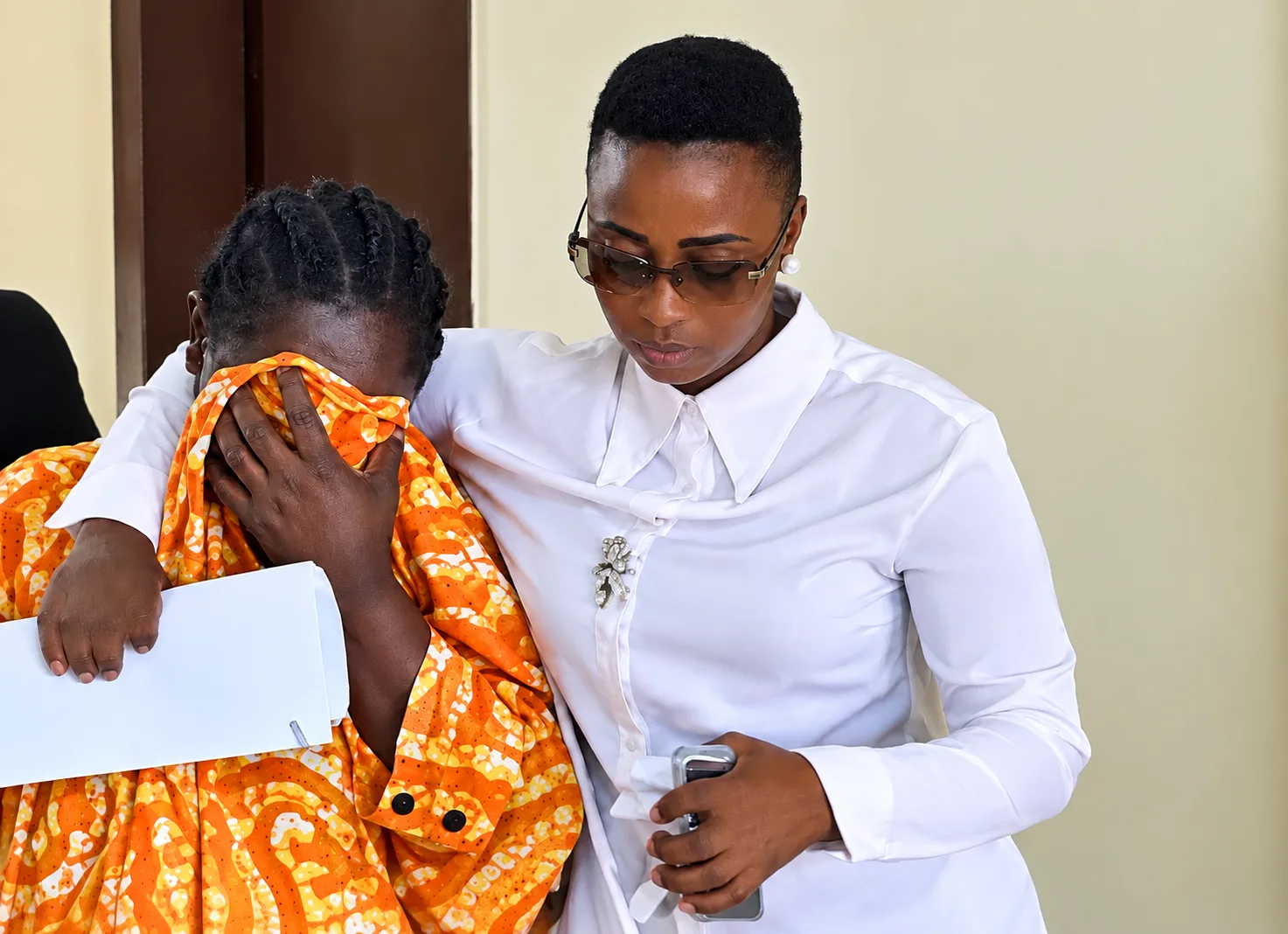
The recent controversy surrounding Ghana Jollof has sparked a heated debate on free speech, accountability, and due process in Ghana. The Ghana Police Service has declared Ghana Jollof, whose real name is Barbara Asantewaa Kodua, wanted for offences relating to incitement of violence and the publication and circulation of false news. The allegations are linked to social-media publications attacking President John Dramani Mahama and his wife, Lordina Mahama.
The controversy has raised concerns about selective outrage over political insults and the creation of a double standard for free speech and accountability in Ghana. The author of an opinion piece published in Daily Accra argues that the standards applied to Ghana Jollof should be the same as those applied to Kevin Taylor, a social media personality who was accused of contemptuous comments against Dr Mahamudu Bawumia and Samira. In January 2020, a warrant was issued for Taylor's arrest, but in July 2025, the Supreme Court quashed the warrant, citing a breach of natural justice.
The Supreme Court's ruling did not declare Kevin Taylor's language acceptable but determined that the process through which the warrant was issued was defective. The majority held that Taylor had not been given the opportunity to answer the allegations against him, and therefore, the warrant was treated as a nullity. Justice Ernest Yao Gaewu dissented from the majority decision. The ruling has sparked concerns about the enforcement of authority and due process in Ghana.
The author argues that the broader institutional response to Kevin Taylor's case was inadequate and that the underlying matter could have been pursued afresh through a procedure that satisfied the requirements identified by the Supreme Court. The author warns that the perception that extreme political commentary can flourish when those with power find it politically convenient, only for society to rediscover the importance of civility when the targets change, is dangerous.
The controversy has also raised concerns about the normalisation of a culture of insults and abuse in Ghanaian politics. The author argues that political parties need to understand that every standard they tolerate while in opposition can eventually become the standard applied to them in government. The author warns that freedom of expression does not mean that every statement is legally protected simply because someone describes it as political commentary.
The state has been urged to be careful about using its coercive powers merely because political speech is vulgar, offensive, or embarrassing to people in government. The author argues that due process and consistent application of the law matter far more than feelings about any particular commentator. The government has been urged to confront the deterioration of political discourse with consistency and to apply the standard applied to Ghana Jollof to every other political commentator, regardless of party affiliation.
The controversy has sparked a wider debate about the need for consistency in the application of the law and the importance of due process in Ghana. The author argues that the larger responsibility rests with political leadership to promote a culture of respect and civility in Ghanaian politics. The government has been urged to resist creating the impression that insulting speech becomes intolerable only when those currently holding political power become its victims.
Key points
- The Ghanaian government has been urged to apply consistent standards in addressing offensive political commentary.
- The controversy has sparked concerns about selective outrage over political insults and the creation of a double standard for free speech and accountability in Ghana.
- The author argues that due process and consistent application of the law matter far more than feelings about any particular commentator.