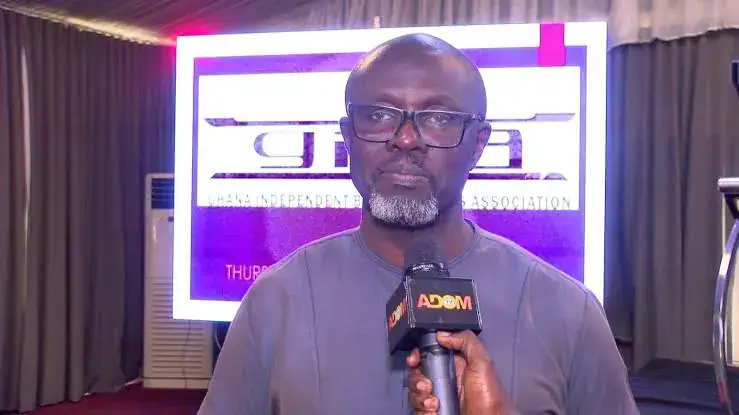
The president of the Ghana Independent Broadcasters Association (GIBA), Abdul Awudu, has highlighted the financial struggles faced by media operators in Ghana, particularly smaller radio stations in rural communities. Awudu described the business environment as very difficult, with many operators struggling to meet basic operational expenses. He noted that established media organisations had more organised business structures, but smaller stations faced serious financial constraints. These challenges affect not only the operations of these stations but also their ability to comply with industry regulations.
According to Awudu, smaller radio stations in rural areas and villages face significant financial difficulties, including buying prepaid electricity and fuel for generators. He explained that if there's no light from the grid, these stations can go off the air because they cannot afford fuel for their generators. This situation underscores the vulnerability of smaller media operators in Ghana. Despite these challenges, Awudu acknowledged that some individuals might seek to cut corners or take advantage of others.
Awudu's comments suggest that the financial difficulties faced by media operators should be considered when assessing compliance within the broadcasting industry. He argued that it is not accurate to assume that broadcasters are simply unwilling to meet their obligations. Instead, many are genuinely struggling to stay afloat. This perspective highlights the need for a nuanced approach to regulating the industry, one that takes into account the financial realities faced by media operators.
The GIBA president called on statutory bodies and relevant organisations to ensure that media operators comply with the laws and established principles. He emphasised that those who fail to comply should be dealt with accordingly. This statement suggests that Awudu is committed to upholding industry standards, while also recognising the challenges faced by his members.
Awudu's remarks were made during an interview on Joy News, where he discussed the state of the broadcasting industry in Ghana. His comments have sparked a conversation about the challenges faced by media operators and the need for support. The Ghanaian government and industry stakeholders will likely be watching the situation closely, as the media plays a critical role in promoting democracy and accountability.
The financial struggles faced by Ghana's independent broadcasters have implications for the diversity and plurality of the country's media landscape. Smaller radio stations often provide a platform for local voices and perspectives, which might otherwise go unheard. If these stations are unable to operate due to financial constraints, it could lead to a homogenisation of media content and a loss of diversity.
The situation faced by Ghana's independent broadcasters highlights the need for sustainable business models and support mechanisms. This could include initiatives to reduce operational costs, increase revenue streams, or provide financial assistance to struggling media operators. By addressing these challenges, the Ghanaian government and industry stakeholders can help promote a healthy and vibrant media landscape.
Key points
- Smaller radio stations in Ghana struggle to buy prepaid electricity and meet operational expenses.
- Established media organisations have more organised business structures than smaller stations.
- Financial difficulties faced by media operators should be considered when assessing compliance with industry regulations.