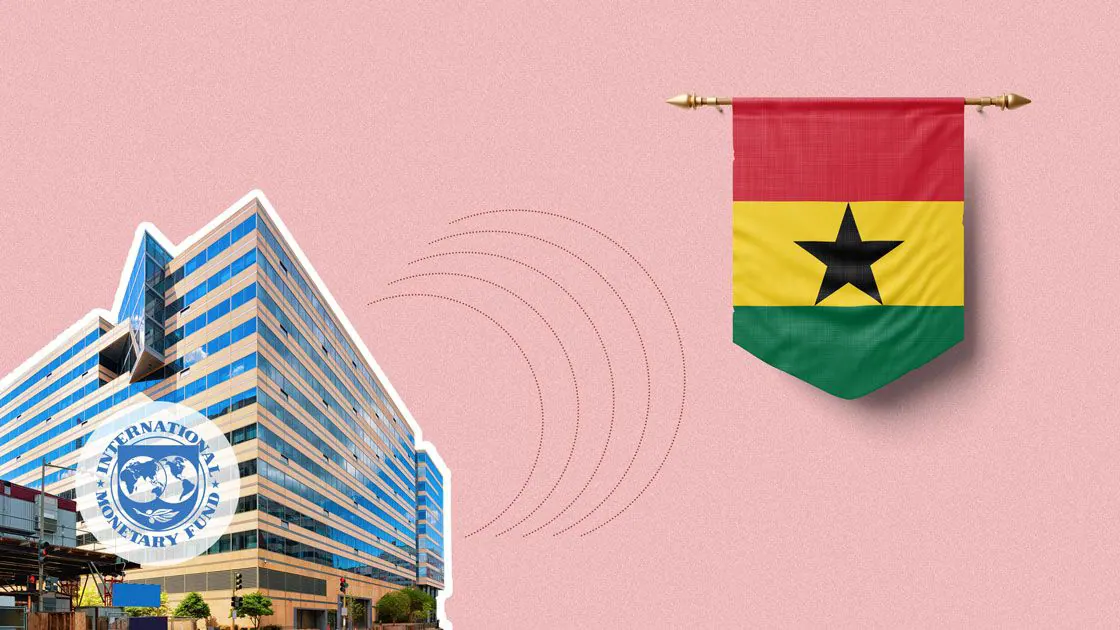
Ghana faced a severe economic crisis in 2022, with inflation soaring past 50%, the cedi losing over half its value, and the country unable to pay its foreign debts. In response, the government turned to the International Monetary Fund (IMF), an institution it has worked with 18 times since 1968. The IMF provides financing to countries facing balance-of-payments crises on the condition that the government implements reforms to fix underlying problems.
The IMF is not a bank in the ordinary sense, but rather an institution that lends money to countries facing economic difficulties. It was founded in 1944 at the Bretton Woods Conference to promote international monetary cooperation among its 191 member countries. Ghana's relationship with the IMF is long-standing, with the country having had multiple lending arrangements with the Fund over the years.
The 2022 crisis was triggered by a combination of factors, including the COVID-19 pandemic and the Russia-Ukraine war, which worsened debt, inflation, and exchange rate pressures. By late 2022, the cedi had plummeted over 40%, and consumer inflation hit a 21-year high of 37.2%. President Akufo-Addo defended the decision to seek IMF assistance in July 2022, saying it was necessary to address the country's economic predicament.
In May 2023, the IMF approved a $3 billion, 39-month Extended Credit Facility (ECF) arrangement for Ghana. The ECF is a lending programme designed for low-income countries facing serious economic difficulties. Under the arrangement, the IMF provides financial support in phases while monitoring economic reforms and targets agreed with the government.
The IMF programme required Ghana to implement a series of reforms, including fiscal consolidation, monetary policy strengthening, debt restructuring, and structural reforms. The programme was not without challenges, with delays in structural reforms and a performance criterion breach due to cost-sharing arrangements under the domestic gold purchase programme. However, the IMF approved a waiver based on the temporary nature of the deviation and corrective actions taken.
By 2026, the results of the programme were becoming clear, with inflation falling from nearly 24% in January 2025 to 5.3% by June 2026. The cedi strengthened, and gross international reserves nearly doubled to about $14.5 billion, reaching almost six months of import cover. Economic growth exceeded expectations, reaching 6% in 2025 and accelerating to 6.4% year-on-year in early 2026.
Ghana officially completed the ECF programme on May 15, 2026, and transitioned to a 36-month Policy Coordination Instrument (PCI). The PCI provides policy advice, technical support, monitoring, and economic assessments without any disbursement of IMF money. The move marks a new chapter in Ghana's relationship with the IMF, with a focus on sustaining growth-friendly fiscal policies and economic stability.
Key points
- The IMF approved a $3 billion bailout for Ghana in May 2023 to help stabilize the economy.
- Ghana completed the ECF programme in 2026 and transitioned to a Policy Coordination Instrument.
- The IMF programme led to a significant decline in inflation, from 50% to 5.3% by June 2026.