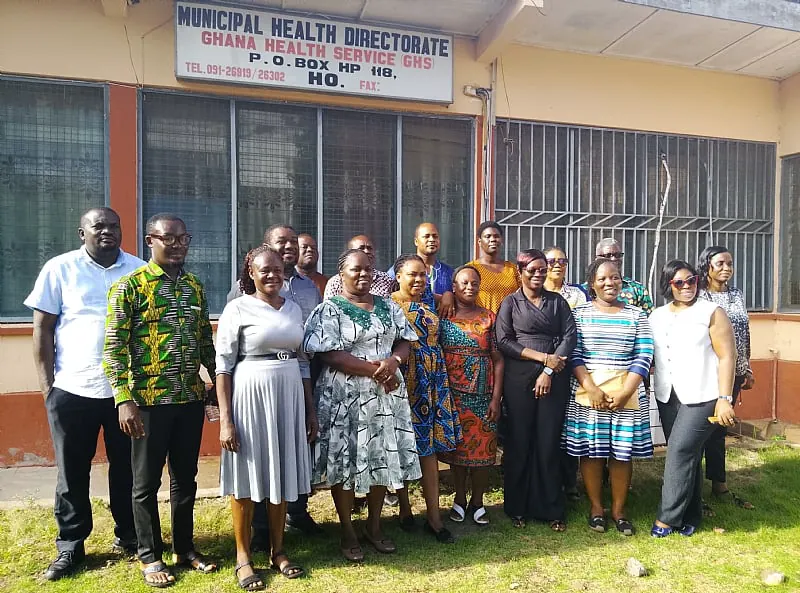
The Ho Municipal Health Directorate in Ghana is expressing concern over the low uptake of the Human Papillomavirus (HPV) vaccine among eligible girls in the municipality. As of the latest stakeholder engagement, 2,486 girls aged nine had not received the vaccine. Despite an intensified school-based exercise in May and June that resulted in about 2,000 vaccinations, uptake under the routine programme has declined.
According to the Team Lead for the exercise, Madam Perfect Titiati, and the Municipal Health Director, the situation is partly due to girls who turn nine not being brought forward for vaccination. The municipality was expected to have vaccinated at least 12,000 girls but had only reached approximately 9,000, leaving a significant backlog. Officials noted that this backlog is dynamic as new girls turn nine every day.
To address the shortfall, the Ghana Health Service has introduced a periodic intensification approach, with health teams regularly visiting schools to educate students and vaccinate eligible girls. This initiative is part of an enhanced routine service and not a one-off campaign. The Directorate emphasized the importance of parents and guardians ensuring that eligible girls receive the vaccine as soon as they qualify.
The Directorate also expressed concern over low coverage of vaccines administered during the second year of life, including malaria and Measles-Rubella vaccines. Officials attributed part of the challenge to working mothers' schedules, which may prevent them from taking their children to health facilities for immunization during weekdays. In response, a pilot weekend immunization programme has been announced, with clinics to operate over the coming weekends.
The stakeholder engagement also raised calls for boys to be included in HPV vaccination and screening programmes. Participants argued that boys are susceptible to HPV-related infections and can transmit the virus, making a strategy focused exclusively on girls less comprehensive. However, the Directorate explained that the current national policy prioritizes 9-year-old girls due to evidence guiding Ghana's cervical cancer prevention strategy.
Health officials highlighted that about 3,000 new cases of cervical cancer are recorded in Ghana annually, with many women reporting for treatment at advanced stages due to inadequate screening and awareness. Stakeholders called for stronger public education and improved access to information to address vaccine hesitancy and misconceptions. They also appealed for well-prepared and disaggregated data specific to the Ho Municipality to support advocacy and planning.
The Directorate acknowledged that better local data would improve planning and advocacy but noted that the absence of a dedicated cancer centre in the municipality presents challenges in compiling accurate municipal-level figures. The Directorate called on stakeholders and the media to support public education efforts to ensure every eligible girl receives the HPV vaccine and that children complete their routine immunization schedules.
Key points
- The Ho Municipal Health Directorate has introduced a weekend immunization programme to address low vaccine uptake.
- Ghana records about 3,000 new cases of cervical cancer annually.
- The Directorate is calling for broader HPV vaccination strategy that includes boys.