Ghana's Deputy Minister for Health, Prof. Dr. Grace Ayensu-Danquah, has emphasized the potential for traditional medicine to improve healthcare outcomes in the country. She believes that integrating scientifically validated traditional medicines into the mainstream health system could expand access to healthcare. This move would require rigorous research, proper regulation, and manufacturing standards to guarantee the safety, quality, and effectiveness of traditional medicine products.
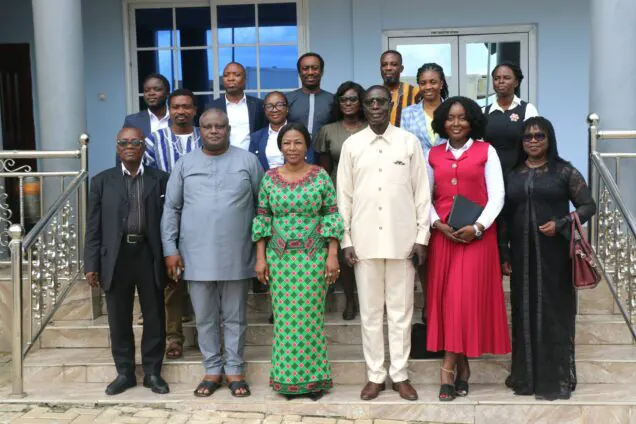
Prof. Ayensu-Danquah made these remarks during a visit to the Centre of Awareness (COA) Research and Manufacturing Company in the Central Region. There, she interacted with management and staff, inspecting facilities to assess compliance with Good Manufacturing Practices (GMP). The visit aimed to evaluate the company's adherence to standards and explore potential collaborations between traditional and conventional medicine practitioners.
The Deputy Minister cited China as an example of a country where traditional and conventional medicine coexist, suggesting that Ghana could adopt a similar approach. She stressed the importance of maintaining scientific and regulatory safeguards to ensure public safety. By integrating traditional medicine, Ghana's healthcare system could tap into the benefits of traditional remedies while minimizing risks.
Prof. Ayensu-Danquah also linked the discussion to the government's Free Primary Healthcare programme, which focuses on prevention and health promotion. She sees an opportunity to examine how scientifically validated traditional medicine can contribute to primary healthcare, particularly in managing conditions like hypertension and diabetes. Traditional medicine could play a role in addressing these health issues, subject to scientific validation and effective regulation.
The Chief Executive Officer of COA Manufacturing Company, Prof. (HC) Samuel Ato Duncan, welcomed the government's renewed interest in developing the traditional medicine sector. He believes that bringing traditional medicine up to required standards could allow it to complement national healthcare programmes, including the Free Primary Healthcare initiative. COA is conducting research into the potential health benefits of its products, including applications in cancer and viral disease management.
Prof. Duncan emphasized the importance of sustained research and collaboration among traditional medicine practitioners, researchers, and government institutions. This collaboration is critical to building stronger scientific evidence around traditional medicines and ensuring their safe integration into the mainstream healthcare system. The government has expressed its commitment to working with stakeholders to strengthen research, quality assurance, manufacturing, and regulation within the sector.
The ultimate goal, according to Prof. Ayensu-Danquah, is to develop a healthcare system where traditional and conventional medicine can safely complement each other, guided by scientific evidence and regulatory standards. The Ministry of Health will continue working with stakeholders to achieve this goal, potentially unlocking the benefits of traditional medicine for Ghana's healthcare system.
Key points
- Integration of traditional medicine into mainstream healthcare could expand access to healthcare in Ghana.
- Collaboration between traditional and conventional medicine practitioners is crucial for building scientific evidence around traditional medicines.
- The government's Free Primary Healthcare programme creates an opportunity for traditional medicine to contribute to primary healthcare.