The Ministry of Health in Ghana has declared a yellow fever outbreak in the Upper West Region following the laboratory confirmation of three fatal cases. The declaration was made on October 9, 2026, under the International Health Regulations (2005) and the Public Health Act, 2012 (Act 851), in partnership with the Ghana Health Service and the World Health Organisation. The confirmed cases were reported from health facilities in Sissala West and Wa West districts, which presented symptoms of fever, jaundice, and bleeding from September 9, 2026.
Prior to the confirmation, health facilities in the affected districts reported suspected cases, and samples were tested in-country before being sent to the WHO-accredited Institut Pasteur laboratory in Dakar for further confirmation. Nationally, about 450 suspected cases were recorded between June and September. The Health Minister, Mr. Kwabena Mintah Akandoh, has assured the public that the situation is under control and urged calm, advising people to rely on official information.
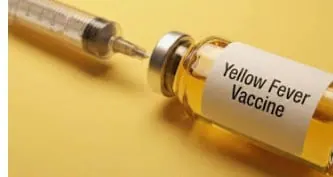
The Ministry of Health, in collaboration with the Ghana Health Service and the World Health Organisation, has activated national and regional emergency operations centres and deployed rapid response teams for case finding, surveillance, and risk communication. A vaccination exercise is expected to begin in Wa West, Sissala West, and Sissala East districts. Dr. Franklin Asiedu-Bekoe, Director of Public Health at the Ghana Health Service, stated that preparations for the vaccination exercise are almost complete.
The Ghana Health Service has also emphasized that yellow fever is spread by infected mosquito bites, not directly from person to person. According to the World Health Organisation, about 15 percent of infected people develop a severe form of the disease, characterized by jaundice, bleeding, and kidney and liver damage. There is no specific antiviral treatment for yellow fever. The Ministry advises people to report promptly to the nearest health facility if they experience sudden fever, headache, muscle pain, yellowing of the eyes or skin, or unusual bleeding.
Residents are also advised to take preventive measures, including using repellents, wearing long sleeves and trousers, and utilizing mosquito nets, even during the day when the transmitting mosquitoes are active. The Ministry and the Ghana Health Service are urging residents of the affected districts to come forward for vaccination when the exercise starts and to share only verified information.
The early declaration of the outbreak, laboratory confirmation, and planned vaccination drive demonstrate a responsive system. The outcome of the efforts will depend on the collaboration of communities, traditional and religious leaders, and the media working with health workers. The Ghana Health Service and the Ministry of Health are working together to contain the outbreak and prevent further spread of the disease.
The Health Minister has assured the public that the situation is being closely monitored, and investigations are ongoing into other reported deaths that cannot be attributed to yellow fever without laboratory confirmation. The Ministry and the Ghana Health Service are committed to providing updates and information to the public as the situation develops.
Key points
- The Ghana Health Service will begin a vaccination exercise in Wa West, Sissala West, and Sissala East districts.
- The Ministry of Health has urged the public to stay calm and rely on official information.
- Yellow fever is spread by infected mosquito bites, and residents are advised to take preventive measures.