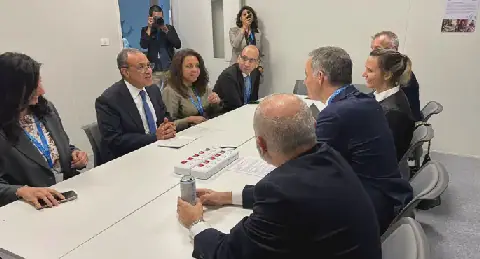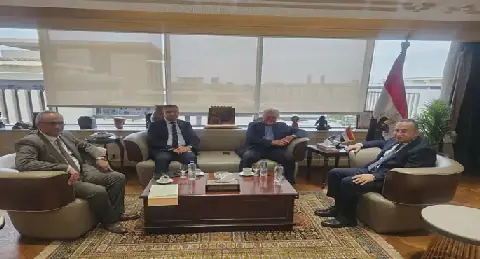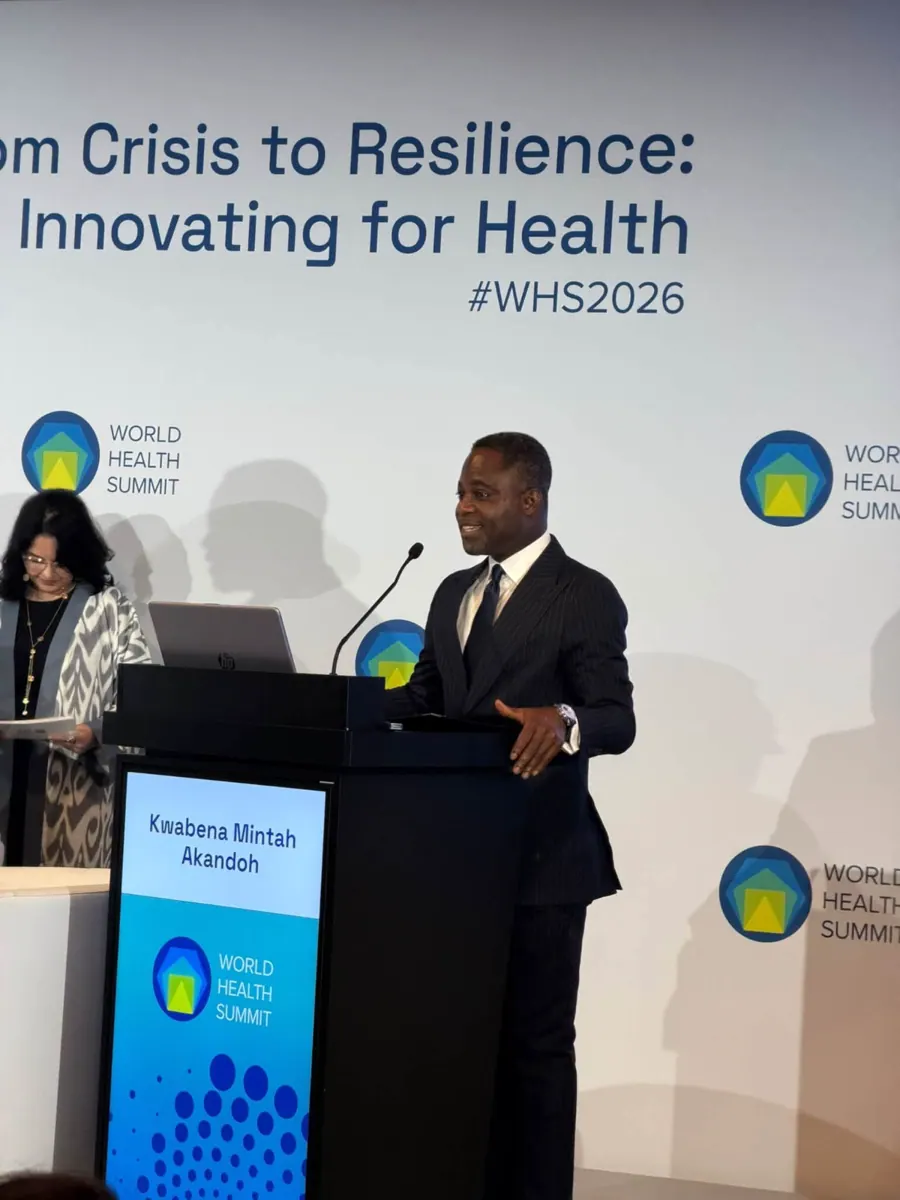
Ghana's Minister of Health, Kwabena Mintah Akandoh, has advocated for a new approach to global health governance, emphasizing the need for countries to take the lead in shaping their own healthcare policies and priorities. Speaking at the World Health Summit in Berlin, Germany, Mr. Akandoh stated that global health must be driven by country ownership rather than external control. This approach, he believes, will enable countries to build sustainable healthcare systems.
Mr. Akandoh linked Ghana's position to President John Dramani Mahama's Accra Reset initiative, which aims to transform global health cooperation from dependency to dignity, fragmentation to solidarity, and promises of partnership to shared leadership. The minister's remarks reinforce Ghana's call for a global health system in which countries have a stronger voice in decision-making, greater control over their health priorities, and the domestic capacity to protect the well-being of their populations.
The minister highlighted Ghana's domestic health initiatives, including the Free Primary Healthcare programme, MahamaCares, and increased investment in immunizations through domestic resource mobilization. These initiatives demonstrate Ghana's commitment to building a healthcare system that is sustainable and less dependent on external assistance. By investing in its healthcare system, Ghana aims to reduce its reliance on external aid and create a more resilient healthcare system.
Emphasizing the importance of national ownership, Mr. Akandoh declared that resilience is not imported or donated, but must be built at home. He called on global health stakeholders to unite in advancing a more equitable and sustainable approach to healthcare. The minister's appeal was extended to stakeholders from Accra to Jakarta and Berlin, emphasizing the need for a collaborative approach to global health.
Mr. Akandoh's remarks at the World Health Summit reflect Ghana's commitment to health sovereignty and its desire to play a leading role in shaping global health policies. The minister's call for country-led healthcare policies has resonated with global health stakeholders, who recognize the need for a more equitable and sustainable approach to healthcare.
Ghana's health initiatives have been recognized as a model for other countries to follow. The country's Free Primary Healthcare programme and increased investment in immunizations have improved healthcare outcomes and reduced the burden on the healthcare system. By sharing its experiences and best practices, Ghana aims to contribute to a more sustainable and equitable global health system.
The World Health Summit provides a platform for global health stakeholders to discuss pressing health issues and share best practices. Mr. Akandoh's participation in the summit has highlighted Ghana's commitment to global health and its desire to play a leading role in shaping health policies. The summit has also provided an opportunity for Ghana to engage with other countries and international organizations on key health issues.
Key points
- Ghana's Health Minister Kwabena Mintah Akandoh calls for country-led healthcare policies at World Health Summit.
- Ghana's domestic health initiatives demonstrate its commitment to building a sustainable healthcare system.
- The minister emphasizes the importance of national ownership in building a resilient healthcare system.