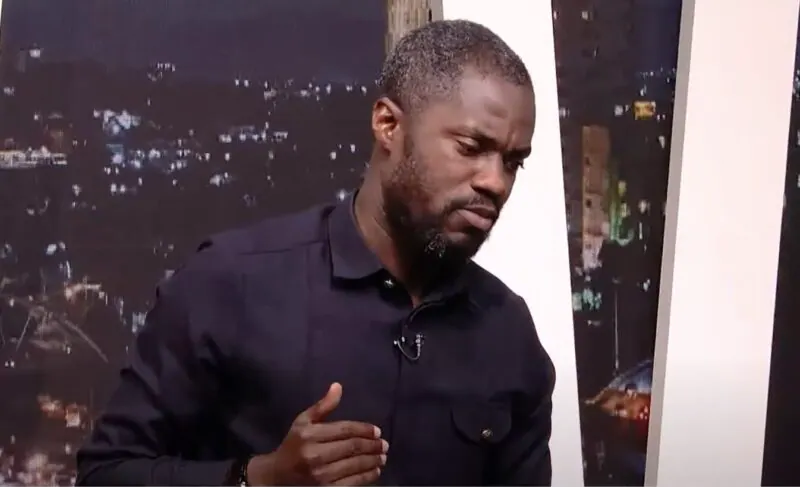
The CEO of the Chamber of Oil Marketing Companies (COMAC), Dr. Riverson Oppong, has expressed concerns about the number of players in Ghana's downstream petroleum sector, stating that the market has become overcrowded. With 245 Oil Marketing Companies (OMCs) operating in the country, Dr. Oppong argues that this has led to increased competition, but also raises questions about the sustainability of such a large number of players. This situation has been further complicated by government interventions in diesel pricing to cushion consumers from rising international oil prices.
The government has extended the GH¢2-per-litre diesel subsidy for another two months, sharing the cost between the government and industry, with GH¢1 coming from a reduction in the D-Levy and another GH¢1 from margins. This intervention follows renewed pressure from international oil prices, which have caused fuel prices to rise. COMAC has projected further increases in fuel prices, with diesel potentially reaching GH¢19.60 per litre in the latest pricing window. This has significant implications for consumers and OMCs alike.
Dr. Oppong believes that the continued government intervention highlights the unfinished business of deregulation in the sector. He advocates for a full price deregulation policy, allowing private operators to determine their prices without government influence. However, with some components of the petroleum price build-up still regulated, Dr. Oppong argues that government interventions remain a challenge for the industry. This has resulted in some OMCs struggling to compete, while others have called for reforms to the governance structure.
According to Dr. Oppong, some aspects of the price-building process have been deregulated, but government interventions remain. He cites the margins of some components of the SREF as examples of deregulated areas, but notes that government still plays a role in setting prices. This mixed approach has led to confusion and challenges for OMCs, which must navigate a complex pricing landscape. Furthermore, Dr. Oppong questions the need for more OMCs, given the number already operating in the country.
Dr. Oppong expressed skepticism about the need for additional OMCs, suggesting that applicants may not fully understand the business or may have ulterior motives. With 245 players already in the market, he argues that it is unclear what new entrants can bring to the table. This sentiment is shared by some industry stakeholders, who believe that consolidation is needed to ensure the sustainability of the sector. However, others argue that increased competition can drive innovation and improve services.
The COMAC CEO identified government involvement in the sector as one of the biggest challenges confronting the industry. He believes that excessive government interference can stifle competition and innovation, ultimately harming consumers. To address this, Dr. Oppong advocates for a more hands-off approach from government, allowing the market to dictate prices and operations. This would require significant reforms to the regulatory framework and governance structure of the sector.
The fuel sector in Ghana is facing significant challenges, including overcrowding, government intervention, and rising international oil prices. As the industry continues to evolve, stakeholders will be watching to see how these issues are addressed. Key to this will be the government's approach to deregulation and the role it plays in the sector. With fuel prices projected to continue rising, finding a solution to these challenges will be crucial for consumers, OMCs, and the broader economy.
Key points
- The fuel sector in Ghana has 245 Oil Marketing Companies competing for market share.
- Government interventions in diesel pricing have been extended for another two months.
- COMAC advocates for full price deregulation in the sector.