The Free Senior High School (SHS) policy in Ghana, introduced in 2017, has been a game-changer in increasing access to education for thousands of students. However, the policy's implementation has been marred by challenges, including overcrowding, poor sanitation, and governance issues. Before 2017, many students were denied access to SHS due to financial constraints, with families struggling to afford the costs of uniforms, textbooks, and other essential items. The policy aimed to address this issue, but its implementation has been hindered by inadequate infrastructure and resources.
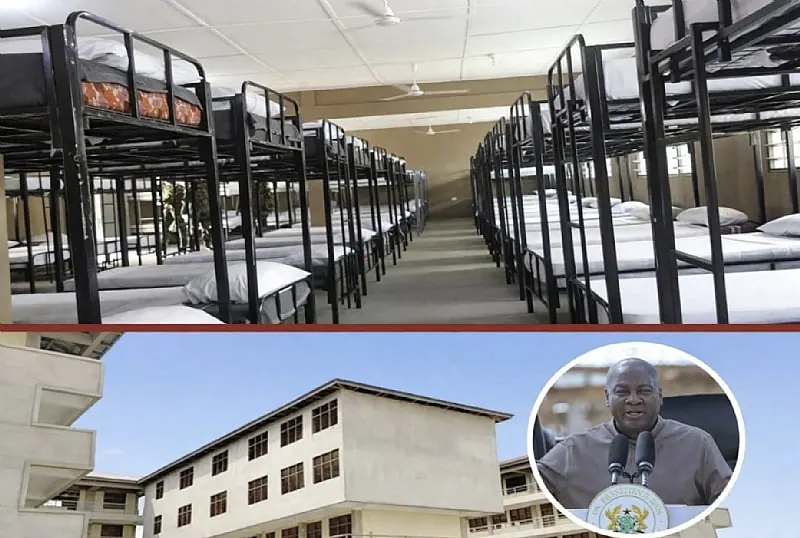
The previous government had initiated the construction of E-blocks, a critical infrastructure project aimed at expanding SHS capacity. However, the project was halted, and many of these E-blocks were left unfinished. The current government has prioritized completing these projects to ease congestion and end the double-track system, which has been criticized for creating learning gaps and increasing the risk of teenage pregnancies. The double-track system was introduced to manage the surge in enrollment, but it has had its own set of problems.
To address these challenges, the current government has introduced several interventions, including the completion of 30 abandoned E-blocks and the inclusion of private SHSs through a Memorandum of Understanding (MoU) with the Conference of Heads of Private Second-Cycle Schools (CHOPSS). These efforts aim to increase access to SHS and improve the quality of education. Additionally, the government has emphasized the need for continuity and investment in the policy, with a focus on sustaining and improving the program.
Despite these efforts, governance issues remain a significant challenge. The Centre for Policy Scrutiny has observed that some heads of schools collect unapproved monies, undermining the policy's intent. Sanitation and hygiene have also become pressing concerns, with many SHSs struggling to provide a conducive learning environment. Issues of overcrowding, poor ventilation, and inadequate fumigation have been reported, making it difficult for students to learn and sleep.
To address these governance challenges, several prescriptions have been proposed. These include mounting zero-fee transparency boards at every SHS gate, institutionalizing preventive fumigation, and conducting unannounced welfare audits. Additionally, there is a proposal for headship to require certification, with a focus on building the capacity of heads to manage budgets, procure resources, and lead boarding houses.
The proposal for headship certification is based on the recognition that many heads of schools lack formal training in financial governance, procurement ethics, and welfare leadership. A Mandatory Pre-Headship Certificate in Ethical Educational Leadership has been proposed, which would cover areas such as public financial management, boarding house welfare, and child rights. This initiative aims to create a standard, a common language, and an accountability framework for heads of schools.
The Free SHS policy has been hailed as a masterpiece campaign message that brought the NPP to power in 2016. However, its implementation has been marred by challenges that threaten its success. To ensure the policy's sustainability, it is essential to address these challenges and prioritize investment in infrastructure, governance, and leadership. The policy's future depends on the government's ability to balance access with quality and ensure that the program is implemented in a way that benefits all students.
Key points
- The Free SHS policy faces challenges in implementation, including overcrowding, poor sanitation, and governance issues.
- The government has introduced several interventions to address these challenges, including completing abandoned E-blocks and including private SHSs.
- Governance issues, including unapproved monies and poor sanitation, remain a significant challenge to the policy's success.