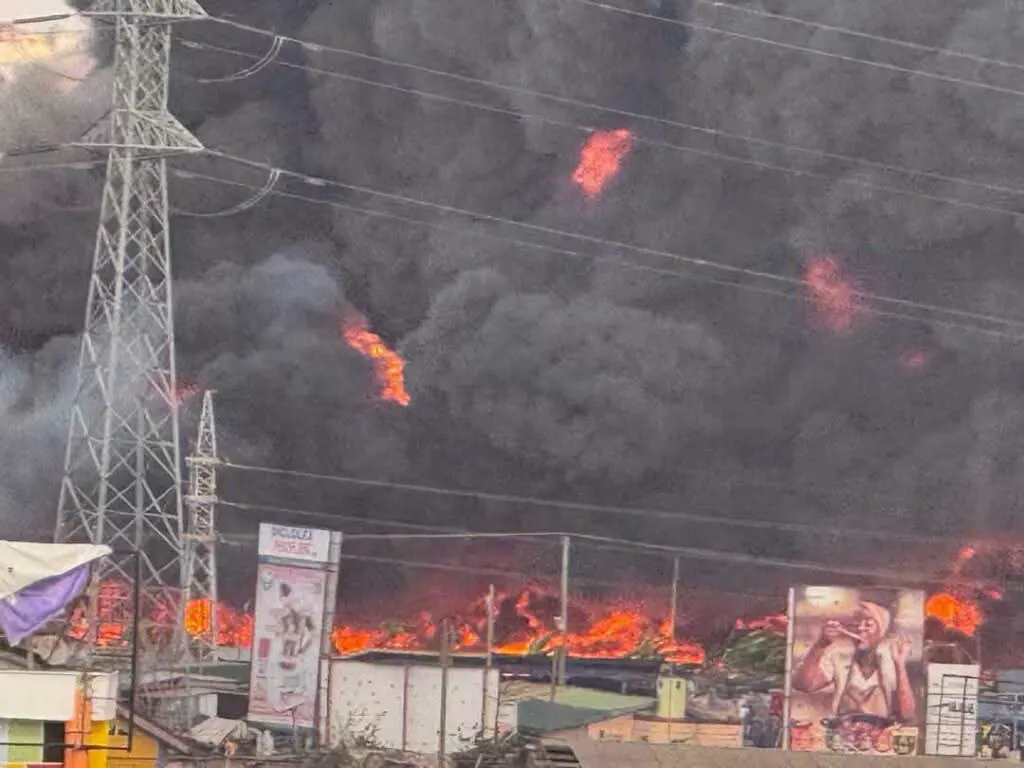
A recent fire at Avenor in Ghana has sparked a necessary conversation about the country's firefighting infrastructure and collective attitude towards fire safety. The Ghana National Fire Service (GNFS) is often scrutinized when a major fire breaks out, with the expectation that firefighters will quickly extinguish the fire. However, firefighting is a complex process that requires adequate resources, equipment, and appliances. The GNFS has identified these as essential to protecting lives and property.
The GNFS faces challenges, including obstructed roads and structures that hinder access to fire scenes. At Avenor, firefighters reportedly had to clear structures to create access for their equipment. The lack of accessible hydrants and reliable water sources also poses a significant challenge. A company official reported that the facility's fire hydrants were empty, making it difficult for firefighters to obtain the water needed to fight the blaze.
Fire safety is a shared responsibility that involves government, local authorities, property owners, businesses, communities, and individual citizens. The Interior Ministry has urged Ghanaians and institutions to comply with fire-safety laws. The government has acknowledged the need to replace ageing and broken-down fire vehicles and has announced plans to acquire new fire tenders. The 2026 budget allocated GH¢150 million for the retooling of the Fire Service.
The procurement of 100 fire tenders and assorted fire equipment is underway, with Interior Minister Mohammed-Mubarak Muntaka stating that processes are far advanced. However, the real test will be whether the equipment reaches the Service, is distributed according to operational needs, and is properly maintained. Retooling the Fire Service should not be treated as a political talking point but as an investment in lives, property, and national infrastructure.
The conversation about fire safety must move beyond the familiar question of the Fire Service's role and focus on the collective responsibility of citizens. We construct structures on or around spaces meant to provide access for emergency services, block roads and passages, and build in areas not designed for habitation. These actions create challenges for firefighters and hinder their ability to respond effectively.
The current leadership of the GNFS, under Chief Fire Officer Daniella Mawusi Ntow Sarpong, is pursuing reforms aimed at improving the Service. The introduction of the Automated Fire Safety Compliance System (AFCAS) is intended to modernize fire-safety inspections and compliance. However, leadership alone cannot solve every problem, and government, local authorities, businesses, and citizens must work together to support the Fire Service.
To demand effective firefighting, we must provide the Ghana National Fire Service with the necessary tools, access, and conditions. This includes equipping the Fire Service, keeping emergency routes open, protecting hydrants, enforcing fire-safety laws, and educating the public. By working together, we can prevent fires and ensure that our firefighters have the resources they need to perform their duty effectively.
Key points
- The Ghana National Fire Service requires adequate resources, equipment, and appliances to effectively respond to fires.
- Fire safety is a shared responsibility that involves government, local authorities, property owners, businesses, communities, and individual citizens.
- The government has allocated GH¢150 million for the retooling of the Fire Service, including the procurement of 100 fire tenders and assorted fire equipment.