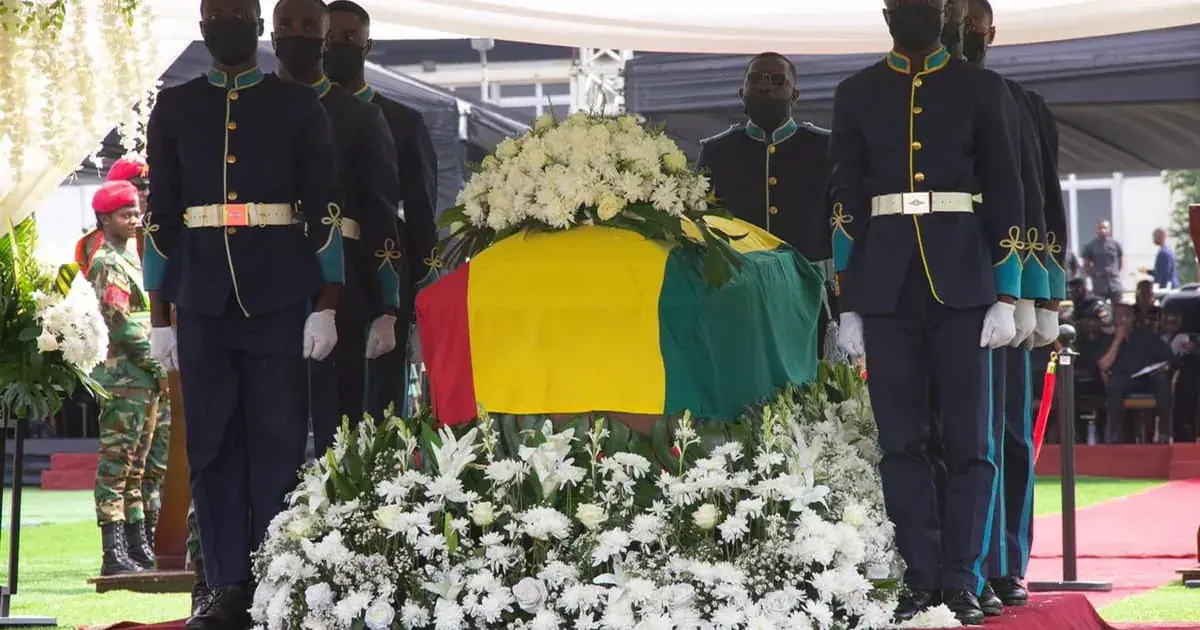
Ghanaian families are reevaluating their traditional practices of holding expensive funerals and weddings, which have become significant financial burdens. These ceremonies, central to Ghanaian culture, are increasingly being organized in multiple stages, leading to substantial costs. For instance, a typical funeral now involves a one-week celebration followed by the main event, while weddings often include both customary and white wedding ceremonies. This shift has sparked concerns about the impact on families' economic well-being.
The Constitution of Ghana protects the freedom to practice and maintain cultural traditions, but the current trend of expensive ceremonies has raised questions about affordability, voluntary participation, and protection from coercion. Families are under pressure to host elaborate events, with some feeling obligated to take on debt or forego other essential expenses. Research has shown that funeral attendance and spending can have a significant impact on productive activity, with many attendees incurring costs for travel, accommodation, and contributions.
The financial burden of these ceremonies is substantial, with a hypothetical example illustrating a family spending GH¢43,000 on a funeral, including GH¢11,000 on the one-week event and GH¢32,000 on the main funeral. Similarly, young couples face significant expectations when planning their wedding, including bride price, customary rites, wedding attire, and reception costs. These expenses can lead to depleted savings, loans, and postponed plans, with some couples beginning their married life with debt.
Social pressure and commercial influences are driving the trend of expensive ceremonies. Many families fear being judged or ostracized if they do not host lavish events, while social media has fueled expectations and created a culture of one-upmanship. The service industry has also grown around large events, with contributions often becoming obligations enforced by embarrassment or threats. However, these pressures are not inherent to Ghanaian tradition and can be changed.
The consequences of prioritizing expensive ceremonies over financial prudence are far-reaching. The money spent on these events could be invested in education, business, or long-term security. Instead, Ghanaian society is spending its productive years financing celebrations, leaving fewer resources for essential investments. Experts argue that respect for the dead and love in marriage are not measured by expenditure, but by character, contribution, and legacy.
To address this issue, Ghanaian society can adopt a more nuanced approach to traditional ceremonies. This includes keeping one-week observances meaningful but modest, coordinating marriage ceremonies, and allowing families to set budgets they can afford. Contributions should remain voluntary, and support from relatives and community should be an act of solidarity, not obligation. Leaders, including chiefs, queen mothers, and public figures, can set an example by choosing simplicity and dignity over extravagance.
Some communities and religious bodies in Ghana have already implemented voluntary limits on funeral duration or spending, which have shown promise. By involving young people in the conversation and promoting a cultural shift towards affordability and voluntary participation, Ghanaian society can preserve its traditions while reducing the financial burdens associated with them. Ultimately, Ghana does not have to choose between culture and prosperity; instead, it can find a balance that enriches lives without impoverishing them.
Key points
- The financial burden of traditional ceremonies in Ghana can lead to debt and economic hardship for families.
- Social pressure and commercial influences are driving the trend of expensive ceremonies in Ghana.
- A balanced approach to traditional ceremonies can help preserve Ghanaian culture while promoting financial prudence.