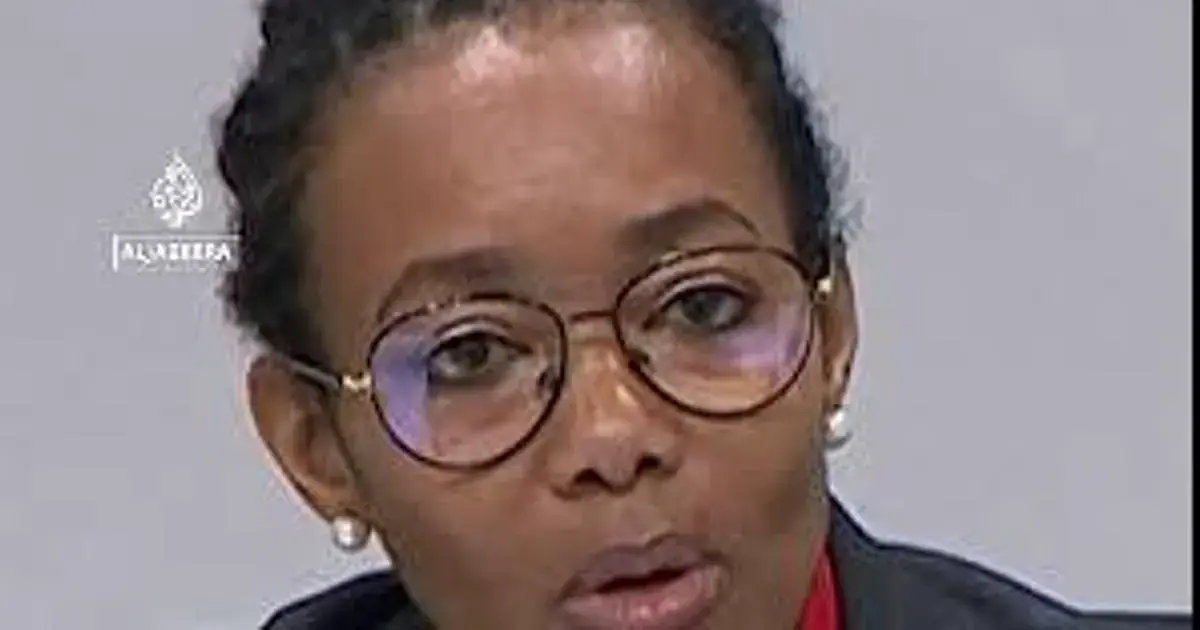
Ghana's Environment Minister, Dr. Zanetor Agyeman-Rawlings, has delivered a strong message at the 31st United Nations Climate Change Conference (COP31) in Antalya, Türkiye. She emphasized that Africa is not seeking charity but demanding climate justice and fair financial support from developed nations. This demand comes as the continent faces significant impacts from climate change, largely caused by the activities of developed countries.
Dr. Agyeman-Rawlings criticized the concept of "so-called just transitions," arguing that the proposed arrangements are not necessarily fair to African countries. She stated that African communities have suffered significantly from the effects of activities largely associated with developed countries and deserve better treatment in global climate negotiations. The minister's remarks highlight the need for a more equitable approach to addressing climate change.
The minister emphasized that African countries are not at COP31 to seek charity but to demand what is rightfully theirs. She stated, "We didn't come here to beg, we came here to claim what is rightfully ours for our people who are suffering the brunt of anthropogenic activities of developed countries that they are now being asked to pay for in ways that they never asked." This statement reflects the frustration and determination of African nations to secure fair treatment.
Dr. Agyeman-Rawlings also highlighted the need for concrete outcomes from the negotiations. She said, "And we're here to be a voice for them and we're here to declare that we will not allow this to be another talk show." Her comments come as COP31 negotiations faced disagreements over climate finance and fossil fuels, with African negotiators repeatedly calling for developed countries to provide the financial support needed by vulnerable nations.
The conference, held in Antalya, Türkiye, brought together governments and other stakeholders to negotiate international action on climate change. A revised draft agreement released during the talks removed references to fossil fuels that had appeared in an earlier version, drawing criticism from countries pushing for stronger commitments to move away from coal, oil, and gas. This development has sparked concerns about the effectiveness of the negotiations.
Dr. Agyeman-Rawlings' participation in COP31 was notable for her vocal advocacy for climate justice. She also performed CPR on a woman who collapsed during the conference, showcasing her commitment to the well-being of all individuals affected by climate change. Her actions demonstrate the human side of the climate crisis and the need for urgent action.
The outcome of COP31 remains uncertain, but Dr. Agyeman-Rawlings' message is clear: Africa demands climate justice and fair financial support from developed nations. The minister's participation in the conference has highlighted the need for a more equitable approach to addressing climate change, and her advocacy will likely continue to resonate in future climate negotiations.
Key points
- Dr. Zanetor Agyeman-Rawlings demands climate justice and fair financial support from developed nations at COP31.