The Education Ministry in Ghana is scheduled to meet with leaders of the teacher unions on September 28, 2026, in an effort to end the ongoing nationwide strike. The strike, which began on September 25, 2026, was called by three teacher unions - the Ghana National Association of Teachers (GNAT), National Association of Graduate Teachers (NAGRAT), and Coalition of Concerned Teachers, Ghana (PRETAG) - over unpaid promotion arrears and other outstanding demands. The unions are pressing for the automatic placement of newly promoted teachers who completed aptitude tests in December 2025 and February 2026.
The teacher unions declared the industrial action due to frustration over the handling of their conditions of service by the Fair Wages and Salaries Commission (FWSC) and the Controller and Accountant-General’s Department (CAGD). They cited stalled negotiations for a new Collective Agreement, despite the expiration of the existing agreement and an earlier expectation of completion by June 2026. The unions also expressed concern over the failure to implement an agreement between the Ministry of Education, Ghana Education Service, and CAGD, which has left affected teachers without placement on their respective salary scales and with arrears dating from January 2026.
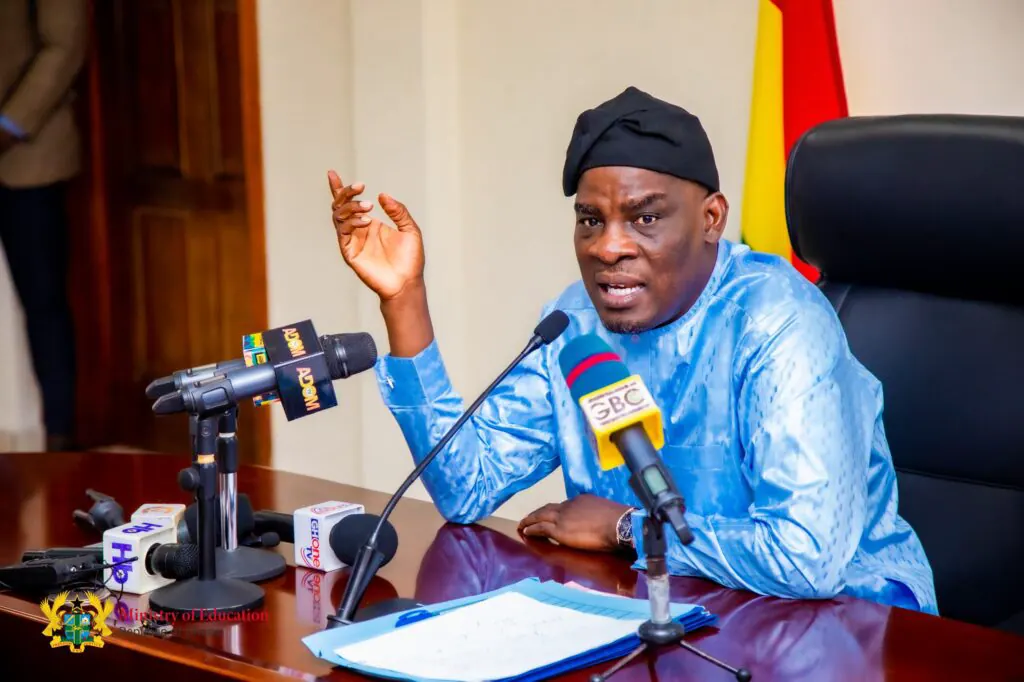
The Press Secretary and Spokesperson for the Ministry of Education, Hasmin Mohammed, stated that Education Minister Haruna Iddrisu would engage with the unions and other stakeholders to persuade them to call off the strike. Mohammed emphasized that the outstanding issues involve not only the Education Ministry but also the FWSC and CAGD, and that the engagement would provide an opportunity for the relevant institutions to address the unions' concerns directly.
The Ministry of Education has expressed concern about the potential impact of the strike on Ghana's academic calendar. Significant work had gone into restoring the calendar after previous disruptions, allowing pupils and students from kindergarten through to university to report in September. A prolonged industrial action could jeopardize these gains, with students only recently returning to school.
In a related development, the CAGD has processed and paid promotion arrears to 6,079 teachers. This move is expected to alleviate some of the concerns of the teacher unions and may feature in the discussions with the Education Ministry. The payment of arrears is a critical issue for the unions, who have been demanding prompt resolution of this matter.
The meeting between the Education Ministry and the teacher unions is crucial in determining the future of the strike and the academic calendar in Ghana. The unions have made it clear that they are seeking a comprehensive resolution to their demands, and the Ministry will need to work closely with other government institutions to find a solution. The outcome of the meeting will be closely watched by stakeholders in the education sector.
The strike action has caused significant disruption to the education sector in Ghana, and there are concerns about the impact on students and the broader economy. The teacher unions have been pressing for a resolution to their demands for some time, and the government will need to work to find a solution that addresses their concerns while also ensuring that the education sector can function effectively.
Key points
- The Education Ministry's meeting with teacher unions aims to resolve issues surrounding unpaid promotion arrears and other demands.
- The nationwide strike, which began on September 25, 2026, has been called by three teacher unions in Ghana.
- The strike has raised concerns about the potential impact on Ghana's academic calendar.