The Ghana Catholic Bishops' Conference (GCBC) has expressed concern over Ghana's growing reputation as a drug trafficking transit point, bringing shame to the nation and eroding its international reputation. In a strongly-worded press statement, the Bishops noted that the country's name is being "dragged through the international press for the wrong reasons" following a string of drug seizures linked to Ghanaian ports and borders. This has caused "profound national embarrassment," they said.
The immediate trigger for the Bishops' statement was the interception by French customs on September 10, 2026, of 3.9 tonnes of cocaine worth £225 million, concealed in a container of plastic waste shipped from Ghana. Four Ghanaians have been arraigned before the Accra High Court, while a Dutch fugitive, Jos Leijdekkers, alias Bolle Jos, remains at large. The Bishops emphasized that while the accused are presumed innocent, the scale of the seizure has placed Ghana in the global spotlight for the wrong reasons.
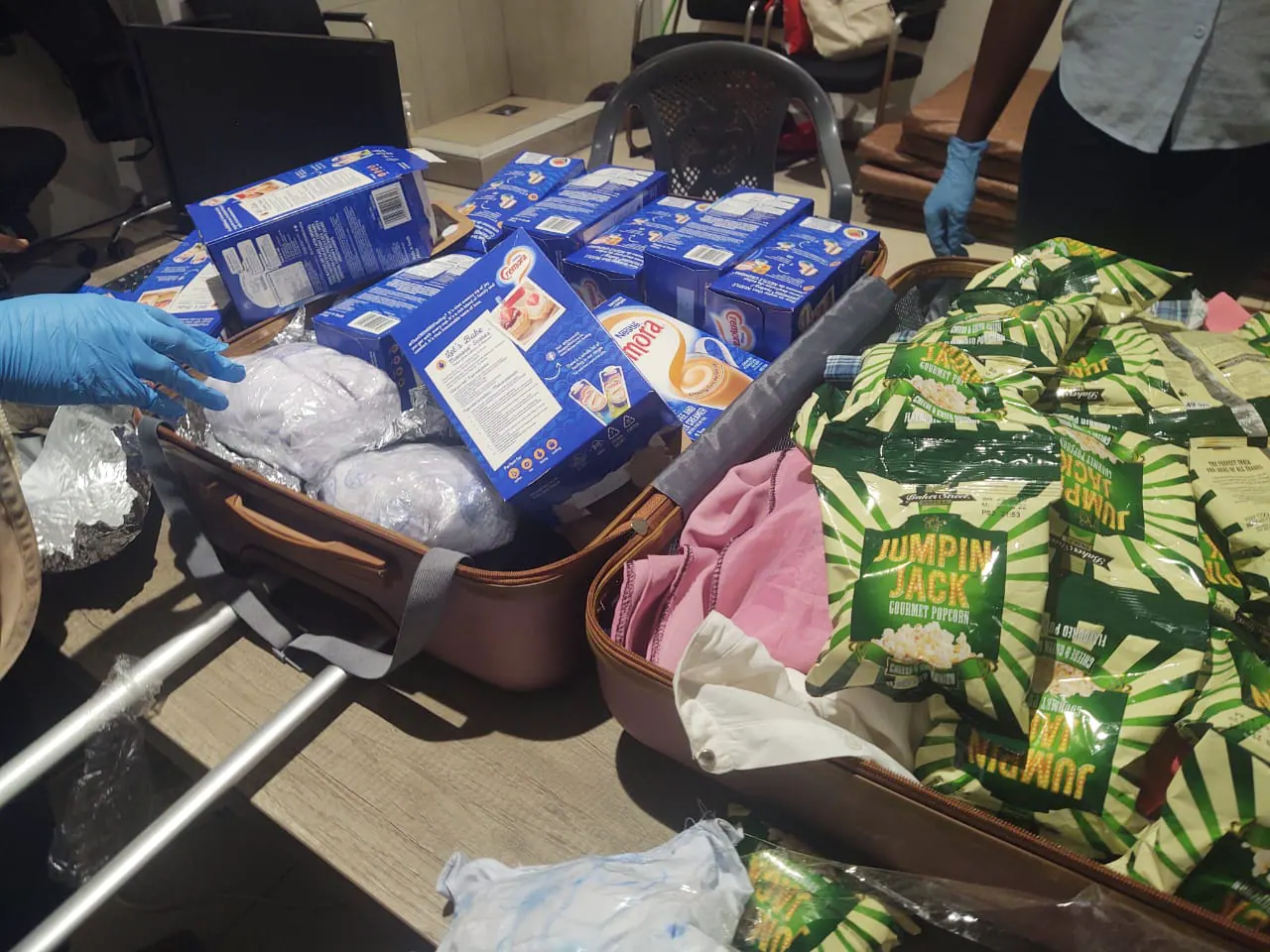
The GCBC noted that this incident is not isolated, citing a series of major drug busts in Ghana, including the seizure of 3.3 tonnes of cocaine hidden under sand in a tipper truck at Pedu Junction, Cape Coast, and hundreds of parcels of cocaine hidden in sacks of gari at Tema Harbour. The Bishops questioned how such large quantities of drugs evaded detection at Ghana's ports and borders, who financed these operations, and why prosecutions often stall.
The Bishops also highlighted evidence of complicity within the state, citing the March 2026 arrest of nine public officers at Tema Port over undeclared tramadol, including customs officers and officials from various state agencies. They expressed concern that, in some cases, only low-level suspects are prosecuted while high-level financiers and officials escape accountability, creating a perception that "big actors are protected."
The GCBC has called on the government to treat the issue of drug trafficking as an existential threat and demanded concrete actions to address the problem. They have urged the government to audit scanning and surveillance at major ports, investigate and prosecute public officials involved in drug trafficking, and follow the money to dismantle networks. The Bishops also want timely and transparent prosecution to restore public confidence.
The Catholic Bishops Conference has thrown its weight behind a call by over 40 MPs to recall Parliament to summon key officials, including the Ministers for Interior, Transport, and National Security, to account for how drugs are slipping through Ghana's borders. The Bishops believe that urgent action is needed to address the problem, which they describe as a "moral evil that steals the soul of our nation."
The GCBC's statement, signed by Most Rev. Matthew Kwasi Gyamfi, emphasizes the need for a comprehensive approach to tackle the drug trafficking problem in Ghana. The Bishops' demands and concerns reflect growing public anxiety about the issue, which has significant implications for Ghana's international reputation and national security.
Key points
- The Ghana Catholic Bishops' Conference has criticized the government's handling of drug trafficking, citing multiple seizures and corruption.
- The Bishops have called for urgent action to address the problem, including auditing surveillance at ports and investigating public officials involved in drug trafficking.
- The issue has significant implications for Ghana's international reputation and national security.