Ghana's pre-tertiary teacher unions have been on strike for 13 days, citing unpaid promotion arrears, delays in negotiating a new Collective Agreement, and the government's failure to implement a promised 20% allowance for teachers working in deprived areas. The strike has resulted in students staying home while teachers remain outside of classrooms. Despite several engagements between the unions and the government, no resolution has been reached. The situation has caused concern among stakeholders, with many calling for a swift resolution.
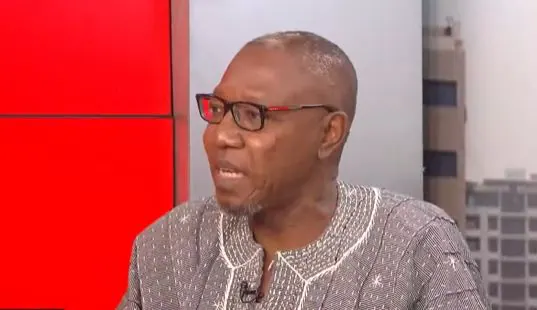
Deputy Education Minister, Dr. Clement Apaak, has appealed to the aggrieved teachers to return to the classrooms while negotiations continue. He acknowledged the teachers' concerns, expressing the government's commitment to addressing them. Dr. Apaak's appeal comes as the strike continues to disrupt teaching and learning. He emphasized the importance of teachers and the government's efforts to resolve the outstanding issues. The government's commitment to addressing the teachers' concerns has been reiterated, but no timeline has been given for a resolution.
Dr. Apaak's comments were made on Eyewitness News on Thursday, October 8. He used strong language to convey the government's plea, stating that "we will continue to supplicate. We are lying down prostrate. We are on our knees pleading with our teachers to come back to the classroom whilst we address their legitimate concerns". He further emphasized that "it's not a crime to plead. So as long as they are not in the classroom, we will continue to plead with them". The Deputy Education Minister's words highlight the government's desperation to end the strike.
According to Dr. Apaak, the government recognizes the importance of teachers and is working to resolve the outstanding issues. He urged the teachers to resume teaching, stating that "we are not antagonistic. We are not challenging their demands. We have not said anywhere that they are not justified". The government's willingness to engage with the teachers' demands has been welcomed, but the strike continues. Dr. Apaak's statement suggests that the government is open to finding a solution that addresses the teachers' concerns.
The government is particularly concerned about the disruption to teaching and learning. Dr. Apaak said that the government would continue efforts to bring the strike to an end. The strike has caused significant disruption, with students missing out on crucial learning opportunities. The government's efforts to end the strike have been ongoing, with several meetings held between the unions and government officials. However, a resolution remains elusive.
Dr. Apaak declined to disclose the specific sticking points in the ongoing negotiations, citing the need for confidentiality. He said that it would not be appropriate for him to discuss details of the talks publicly while negotiations were still underway. However, he indicated that the government expected progress on the issues, including the processing of promotion-related payments for affected teachers. The government's commitment to finding a solution is clear, but the negotiations remain sensitive.
The strike has caused concern among stakeholders, with many calling for a swift resolution. The government's appeal to the teachers to return to the classrooms has been made, but a resolution remains to be seen. The situation will continue to be monitored as negotiations between the government and teacher unions continue. Key issues, including unpaid promotion arrears and the implementation of a promised allowance, remain to be addressed. The government's efforts to address these concerns will be crucial in ending the strike.
Key points
- Deputy Education Minister Clement Apaak appeals to striking teachers to return to classrooms amid 13-day protest.
- Government acknowledges teachers' concerns, including unpaid promotion arrears and delays in negotiating a new Collective Agreement.
- Strike continues to disrupt teaching and learning, with students missing out on crucial learning opportunities.