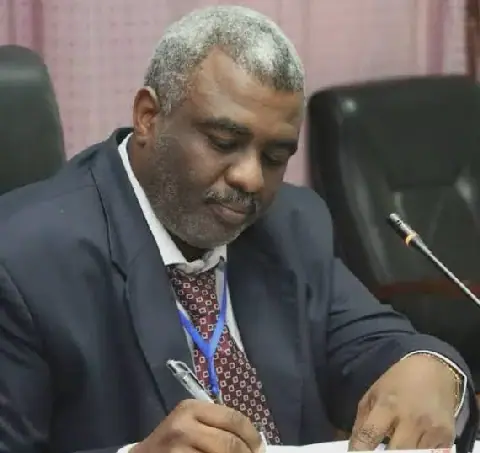
Former Chief Justice Sophia Akuffo has expressed concerns that Ghana's proposed constitutional reform plan does not do enough to limit the power of the President. Akuffo, now a Distinguished Fellow of the Institute of Economic Affairs (IEA), made these remarks at a seminar in Accra on 23 September 2026. The seminar was part of a series examining the Prempeh Committee's report and the government's response to it. Akuffo emphasized that a constitution should not only organize elections but also determine how power is checked and how citizens participate in governance.
The IEA has rejected the government's positions on several key areas of the constitutional review, including presidential appointments, judicial reform, and local government. The Institute is calling for detailed constitutional safeguards to guarantee merit-based and inclusive appointments. On judicial appointments, the IEA wants an independent, reformed Judicial Council to handle appointments through public advertisement, shortlisting, interviews, and parliamentary approval. This is in contrast to the government's stance that current arrangements for appointing judges are adequate.
The IEA and the government also disagree on the tenure of elected officials. The IEA is opposed to extending presidential and parliamentary terms from four to five years, arguing that governments should arrive in office better prepared rather than using a longer term to make up for slow starts. Akuffo noted that a longer term could lead to complacency and undermine accountability. In contrast, the government has proposed a five-year term, which has been met with criticism from civil society groups.
On local governance, the IEA supports electing all Metropolitan, Municipal and District Chief Executives (MMDCEs), but rejects the government's preference for candidates to be drawn only from a list of presidential nominees. The Institute wants any qualified citizen to be able to contest in a non-partisan process backed by proper funding. This issue is linked to concerns raised about the low representation of women in district assemblies. The IEA's proposals aim to increase citizen participation and inclusivity in local governance.
The IEA also wants to strengthen Parliament's oversight of the Executive by barring MPs from simultaneously serving as ministers. On natural resources, the Institute wants public lands and resources vested directly in the people of Ghana rather than the President, prior parliamentary approval of major resource contracts, and a shift toward state ownership with private firms operating under service contracts. These proposals aim to increase transparency and accountability in the management of Ghana's natural resources.
Many of the areas under dispute, including presidential appointment powers, judicial independence, and local government control, are frequently cited as sources of weak accountability in Ghana's governance system. Advocacy groups have pushed for reforms to be legally entrenched, reflecting civil society calls to lock in constitutional reforms. The IEA has raised concerns about the government's proposed timeline for amending the Constitution, saying the process needs sufficient public education and consensus-building.
The seminar series is set to continue examining the Prempeh Committee's recommendations alongside the government's responses. However, no further dates have been specified beyond the 23 September session, and no timeline has been given for when a final position on the disputed areas will be reached. The IEA's criticisms of the government's reform plan highlight the ongoing debate about the balance of power in Ghana's governance system and the need for constitutional reforms that promote accountability and citizen participation.
Key points
- The IEA has rejected key government positions on constitutional review, citing concerns about presidential power and accountability.
- The Institute is calling for detailed constitutional safeguards to guarantee merit-based and inclusive appointments.
- The proposed constitutional reform plan has sparked debate about the balance of power in Ghana's governance system and the need for reforms that promote accountability and citizen participation.