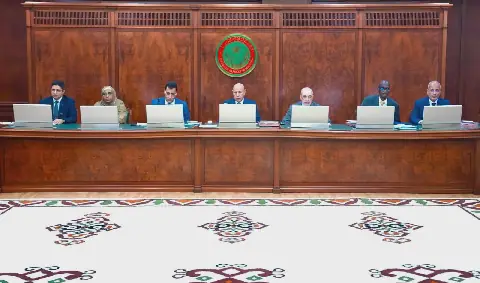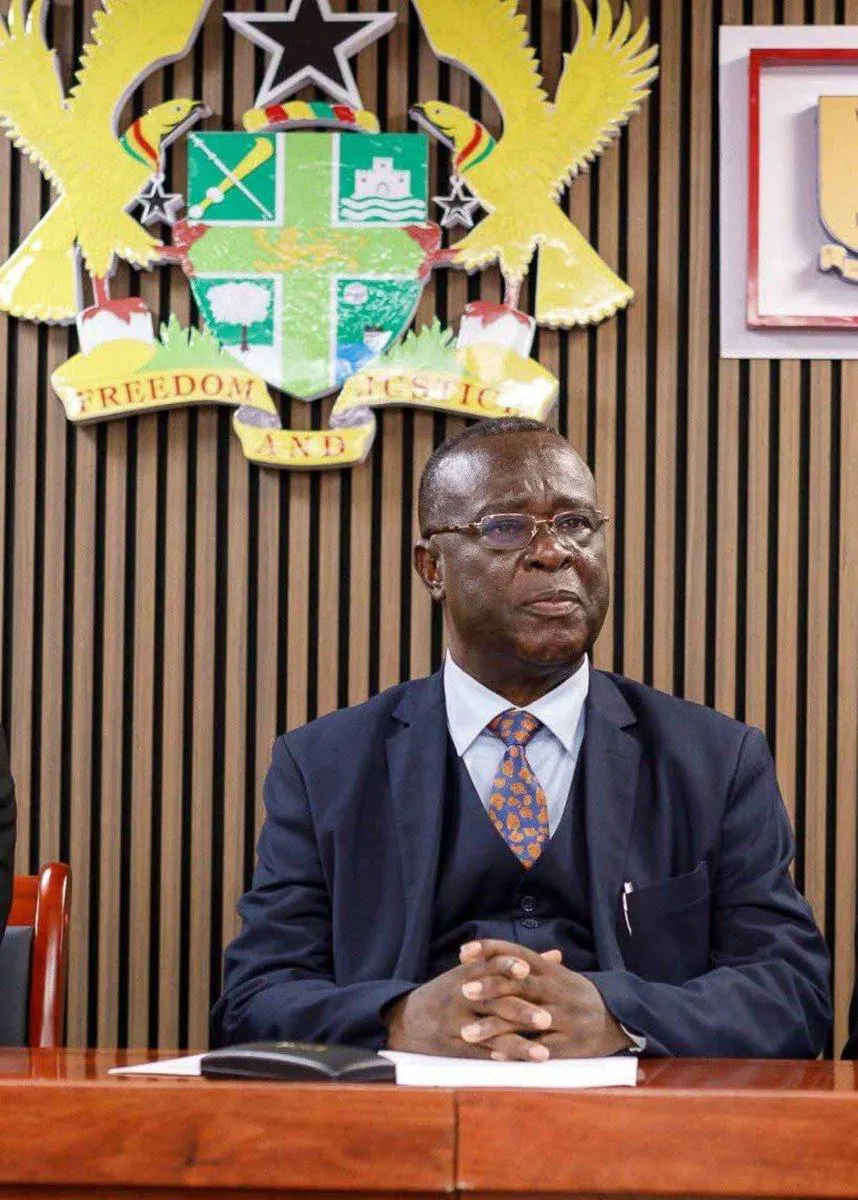
Chief Justice Paul Baffoe Bonie has spoken about the challenges of reconciling the demanding responsibilities of judicial office with personal relationships, social obligations, and ordinary human experiences. He made these remarks at the 45th Annual Conference of the Association of Magistrates and Judges of Ghana, themed "Balance Beyond the Bench, Harmonising Duty, Justice and Life." The Chief Justice emphasized the importance of maintaining professional discipline while preserving meaningful connections and responsibilities outside the judicial environment.
The conference comes on the heels of public controversy surrounding comments made by the Chief Justice during visits to selected State-owned Enterprises, including the Social Security and National Insurance Trust and the Minerals Income Investment Fund. On September 2, 2026, he questioned the management of certain public institutions over the preceding eight years and highlighted improvements in their recent performance. These comments generated political criticism, with the New Patriotic Party arguing that the Chief Justice had ventured into partisan commentary.
The Judicial Service subsequently issued a clarification stating that the Chief Justice's observations were made in good faith and not intended to undermine judicial independence. The statement reaffirmed his commitment to preserving the integrity and independence of the Judiciary and promoting justice and equality before the law. This clarification aimed to address concerns about the Chief Justice's comments and reiterate his dedication to his role.
Chief Justice Baffoe Bonie disclosed that his participation in public occasions organized to celebrate or honor close friends and relatives had attracted criticism from individuals who believed his position demanded almost complete withdrawal from public and social engagements. He acknowledged that such activities had occasionally produced intense public reactions and criticism, but emphasized that these experiences had strengthened his conviction that judicial officers should not abandon their humanity.
The Chief Justice explained that similar situations had arisen in connection with his responsibilities as Chairman of the Council for Legal Education and Training. He undertook official visits and participated in engagements which, from a strictly cautious perspective, might have been avoided in favor of remaining within the confines of his office. These experiences had reminded him that judicial officers must never abandon their humanity simply because they have assumed judicial office.
Chief Justice Baffoe Bonie recognized that membership of the Judiciary carries demanding standards of conduct, restraint, and impartiality. However, he believed that professional discipline should coexist with ordinary human relationships, family responsibilities, and social obligations that continue to form part of a judicial officer's life outside the courtroom. His intervention placed renewed emphasis on the delicate relationship between judicial responsibility and personal humanity.
The 45th Annual Conference provides a platform for judges and magistrates to reflect on the administration of justice, the demands of judicial responsibility, and the personal pressures associated with occupying positions that require a high degree of public confidence, restraint, and institutional independence. The conference will enable participants to engage in discussions and share experiences on how to balance their professional and personal lives effectively.
Key points
- Chief Justice Paul Baffoe Bonie emphasizes the need for judges to balance their professional responsibilities with personal relationships and social obligations.
- The Chief Justice's comments generated controversy, with the New Patriotic Party arguing that he had ventured into partisan commentary.
- The Judicial Service clarified that the Chief Justice's observations were made in good faith and not intended to undermine judicial independence.