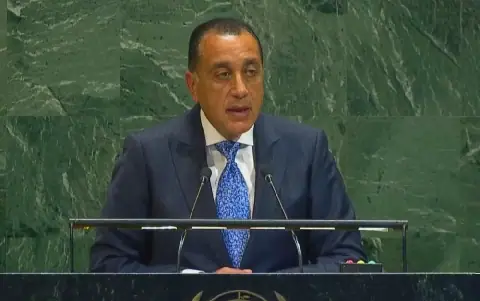
The Bank of Ghana has decided to maintain its Monetary Policy Rate at 14%, according to Governor Dr. Johnson Asiama. This decision was made during the 132nd Monetary Policy Committee meeting in Accra, where the committee assessed the risks to inflation and economic growth as broadly balanced. The move is aimed at ensuring economic stability amidst global and domestic economic developments.
Dr. Asiama cited several factors that influenced the decision, including persistent global uncertainties, inflationary pressures, strong domestic economic activity, and improving macroeconomic conditions. The committee took a unanimous decision to keep the policy rate unchanged. This move is expected to have implications for borrowing costs and economic growth in Ghana.
According to Dr. Asiama, global economic activity has remained resilient in the first half of 2026, despite geopolitical tensions and heightened uncertainty. This resilience is attributed to strong investment in artificial intelligence and a less severe impact of energy shocks than earlier anticipated. The IMF has maintained its global growth projection for 2026 at 3.0%.
However, Dr. Asiama also noted that global inflationary pressures have increased since the last MPC meeting, largely due to higher energy costs. Crude oil prices have risen slightly above $100 per barrel, adding to inflation concerns. Climate conditions are also expected to impact the inflation outlook, with a strong developing expected in the last quarter of the year.
The Bank of Ghana's decision to maintain the policy rate at 14% reflects its cautious approach to managing inflation and supporting economic growth. The committee's assessment of balanced risks suggests that the bank is optimistic about the country's economic prospects. However, the global economic landscape remains uncertain, and the bank's decision may be subject to change in response to future developments.
The policy rate decision has significant implications for Ghana's economy, particularly for businesses and individuals seeking loans. A high policy rate can increase borrowing costs, which may affect economic growth. However, the bank's decision to maintain the rate at 14% suggests that it is prioritizing inflation control and economic stability.
In conclusion, the Bank of Ghana's decision to maintain its policy rate at 14% reflects its careful consideration of global and domestic economic developments. The committee's unanimous decision suggests a high level of confidence in the current economic trajectory. The bank will continue to monitor economic conditions and adjust its policy stance as needed to ensure economic stability and growth.
Key points
- The Bank of Ghana maintains its policy rate at 14% citing balanced inflation and growth risks.
- Global economic activity remains resilient despite geopolitical tensions and uncertainty.
- Inflationary pressures have increased due to higher energy costs and climate conditions.