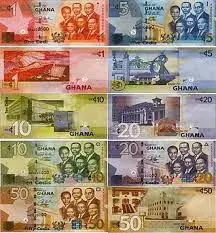
The Ghanaian cedi achieved a remarkable 40.7% gain against the US dollar in 2025, ranking as Africa's best currency performance that year, according to the International Monetary Fund. This significant appreciation was accompanied by a substantial decline in headline inflation, which cooled from 54.1% in late 2022 to 5.4% by the end of 2025. Additionally, Ghana's gross international reserves reached a record US$13.83 billion.
The Bank of Ghana's audited financial statements for 2025 revealed a net operating loss of GHS 15.63 billion, a substantial increase from GHS 9.49 billion in the previous year. When combined with a further GHS 19.32 billion loss under other comprehensive income, the central bank's total loss for the year amounted to GHS 34.95 billion. This significant loss pushed the Bank of Ghana's cumulative negative equity to approximately GHS 96.3 billion.
A significant portion of the Bank of Ghana's loss, GHS 16.73 billion, was attributed to open market operations aimed at managing excess cedis in the banking system and maintaining price stability. This cost nearly doubled from GHS 8.60 billion in 2024. The 2022 Domestic Debt Exchange Programme also contributed to the loss, with an estimated GHS 48 billion in impairments on the central bank's bond holdings and a reduction of around GHS 13 billion in annual interest income.
The Bank of Ghana's gold-purchase programme, conducted in collaboration with the Ghana Gold Board, accounted for a smaller component of the loss, GHS 9.05 billion. This programme involves buying gold from small-scale miners in cedis to build up reserves. Although the cedi cost of each purchase is recorded immediately, the gold is valued at a lower amount until its revaluation.
The analysis by MyJoyOnline suggests that the Bank of Ghana's loss and the cedi's gain are interrelated outcomes of the central bank's efforts to stabilize the currency. The bank's actions were influenced by the need to adhere to the IMF Extended Credit Facility programme and manage the aftermath of the domestic debt restructuring. The situation highlights the challenges faced by the central bank in balancing multiple objectives, including exchange rate stability, monetary policy, and financial health.
The IMF's programme reviews played a crucial role in providing external discipline, helping the Bank of Ghana navigate its objectives. The central bank's losses are expected to be covered either through its equity buffers or transfers from the government, implying a potential fiscal cost. The recapitalization of the Bank of Ghana and the party that will ultimately absorb the bill remain unresolved issues.
Ghana's efforts to formalize small-scale mining exports have been bolstered by a significant gold haul, with artisanal gold exports reaching US$12 billion in 2026. The government's proposal to cut the cost of gold purchases through a 2027 discount scheme, with the Treasury taking over the financing, aims to support the reserve-building effort and mitigate the financial burden on the Bank of Ghana.
Key points
- The Bank of Ghana incurred a GHS 34.95 billion loss in 2025 while defending the cedi.
- The cedi's 40.7% gain against the US dollar in 2025 was the best currency performance in Africa that year.
- The loss is expected to be covered either through the Bank of Ghana's equity buffers or government transfers, implying a potential fiscal cost.